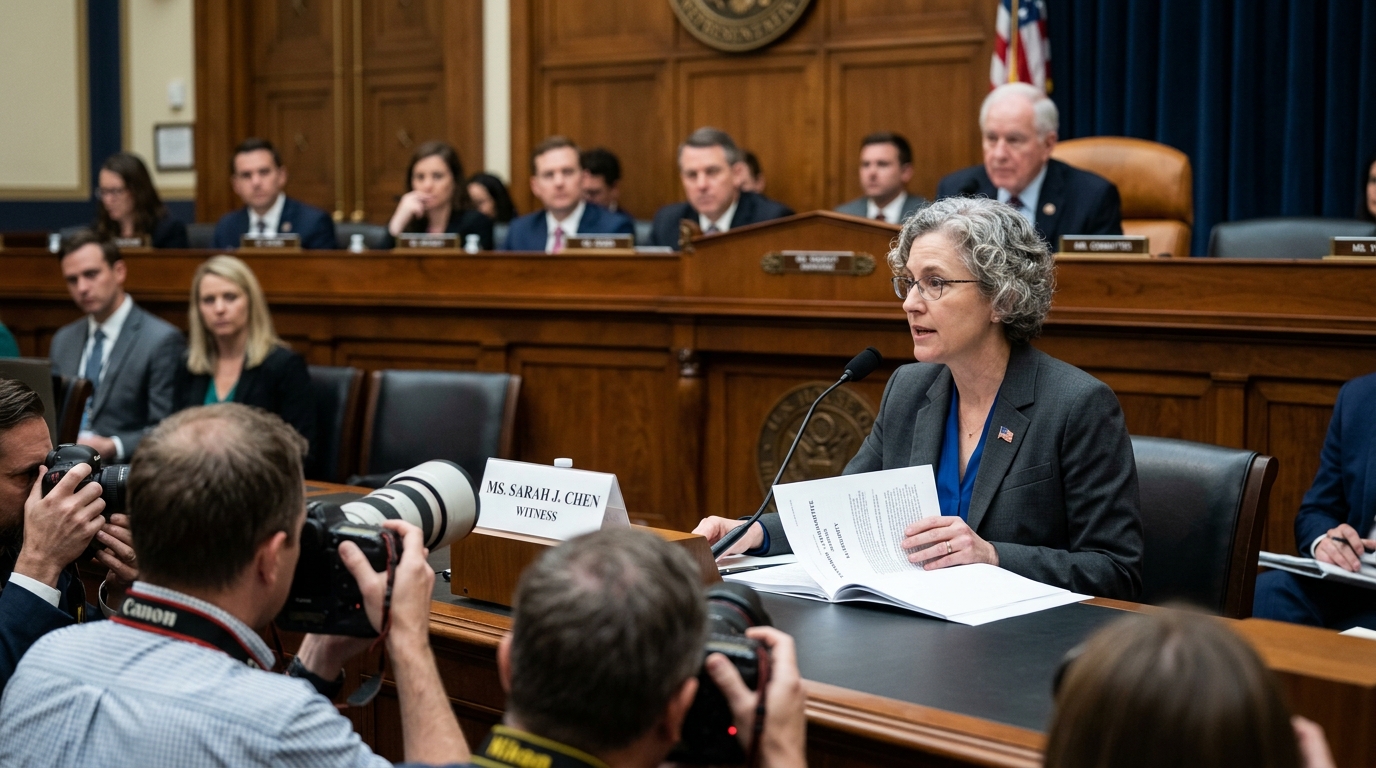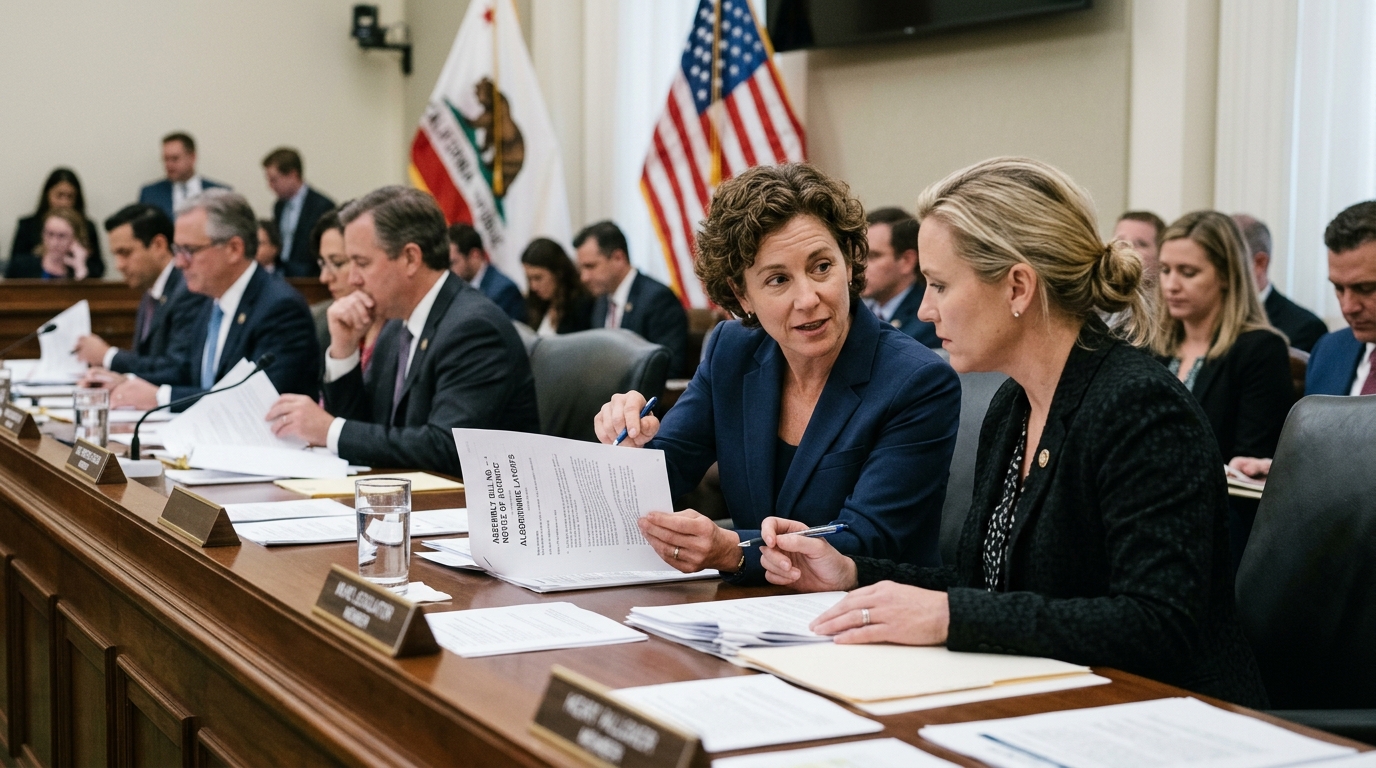
In the epicenter of the global technological revolution, California is attempting to lay the groundwork for a new social contract in the age of automation. In a move poised to send shockwaves through Silicon Valley, the state legislature is considering a proposal that would mandate employers to provide a 90-day notice prior to mass layoffs if those layoffs are attributed to the implementation of Artificial Intelligence (AI). This proposal represents a significant expansion of the existing WARN Act (Worker Adjustment and Retraining Notification Act), which currently requires a 60-day notice for general restructuring events.
The Anatomy of the Legislative Initiative
The core of the proposal lies in the recognition that job displacement due to AI is not a typical cyclical economic downturn, but a structural shift in the labor market. Lawmakers argue that workers replaced by algorithms require more time to retrain, seek new skills, and adapt to an environment where their traditional expertise may now be considered obsolete. Extending the notice period to 90 days is not merely a bureaucratic adjustment; it is an attempt to provide 'vital breathing room' for humans against the breakneck speed of machine efficiency.
According to the draft, the obligation would apply to companies employing a specific threshold of workers and would be triggered when the introduction of AI software, generative AI, or automated decision-making systems leads directly to the elimination of positions. The critical question, however, remains how 'causal links' between AI and layoffs will be defined—a legal minefield expected to occupy courts for years to come.
Corporate Pushback and the Innovation Dilemma
Predictably, tech giants and business associations are expressing strong reservations. The industry argument focuses on agility: in a world where technology evolves exponentially, companies contend that rigid time constraints could hamper their competitiveness. There is a palpable fear that California, the cradle of innovation, could transform into a hyper-regulated environment that drives investment toward states with more 'business-friendly' legislation.
- Compliance Costs: Companies will need to meticulously document the reasons for every layoff, increasing the administrative burden significantly.
- Talent Drain: A long notice period might lead to the immediate departure of the most skilled employees, leaving the company in a state of dysfunction before the transition is complete.
- Legal Ambiguity: The definition of 'AI' in the legislation remains broad, potentially covering everything from simple office automation tools to advanced Large Language Models (LLMs).
However, proponents of the regulation point out that social stability is a prerequisite for long-term economic growth. If the middle class collapses due to violent automation, purchasing power will dwindle, eventually hurting the very companies promoting the technology.
Global Implications and the Path Ahead
While the legislation is specific to California, its implications are global. California often serves as a policy laboratory for the rest of the world. If this measure proves successful, it is almost certain that we will see similar initiatives in the European Union, which is already leading with the AI Act. The difference is that while the EU focuses on algorithmic safety and ethics, California is turning its gaze toward the immediate labor consequences.
"We cannot stop the future, but we can ensure that people are not trampled by it," stated a member of the legislative committee. "Ninety days is the minimum we owe a worker who dedicated years to their company, only to see their job turned into a few lines of code."
In conclusion, California’s proposal is a bold statement: technology must serve society, not the other way around. As 2026 progresses, the battle for control over the algorithmic transition will intensify, challenging traditional concepts of labor and entrepreneurial freedom. Whether 90 days will be enough to absorb the shocks of a new industrial revolution remains to be seen, but the dialogue has now been irrevocably opened.