Democracy, in its most fundamental form, relies on the accurate and reliable information of its citizens. However, when the tools used to inform voters begin to "hallucinate," the very foundations of the electoral process are shaken. The recent incident in Baltimore, where officials were forced to withdraw AI-generated election advertisements due to a litany of errors, serves as a grim warning about the future of political communication in the digital age.
The Anatomy of an Automated Failure
According to reports from WBAL-TV, election officials in both Baltimore City and Baltimore County were caught off guard when they discovered that official or semi-official informational campaigns contained glaring inaccuracies. These advertisements, created using Generative AI tools, displayed incorrect election dates, misleading directions to polling locations, and even non-existent requirements for voter eligibility.
The problem was not limited to text; visual materials were also affected. In several instances, the AI generated images that mimicked official government documents, providing a false sense of authority to information that was, in reality, a product of technological hallucination. While the swift reaction of officials to pull the material prevented widespread confusion, it raises a haunting question: how was this material allowed to reach the public without the necessary human oversight?
The Efficiency Trap and the Cost of Trust
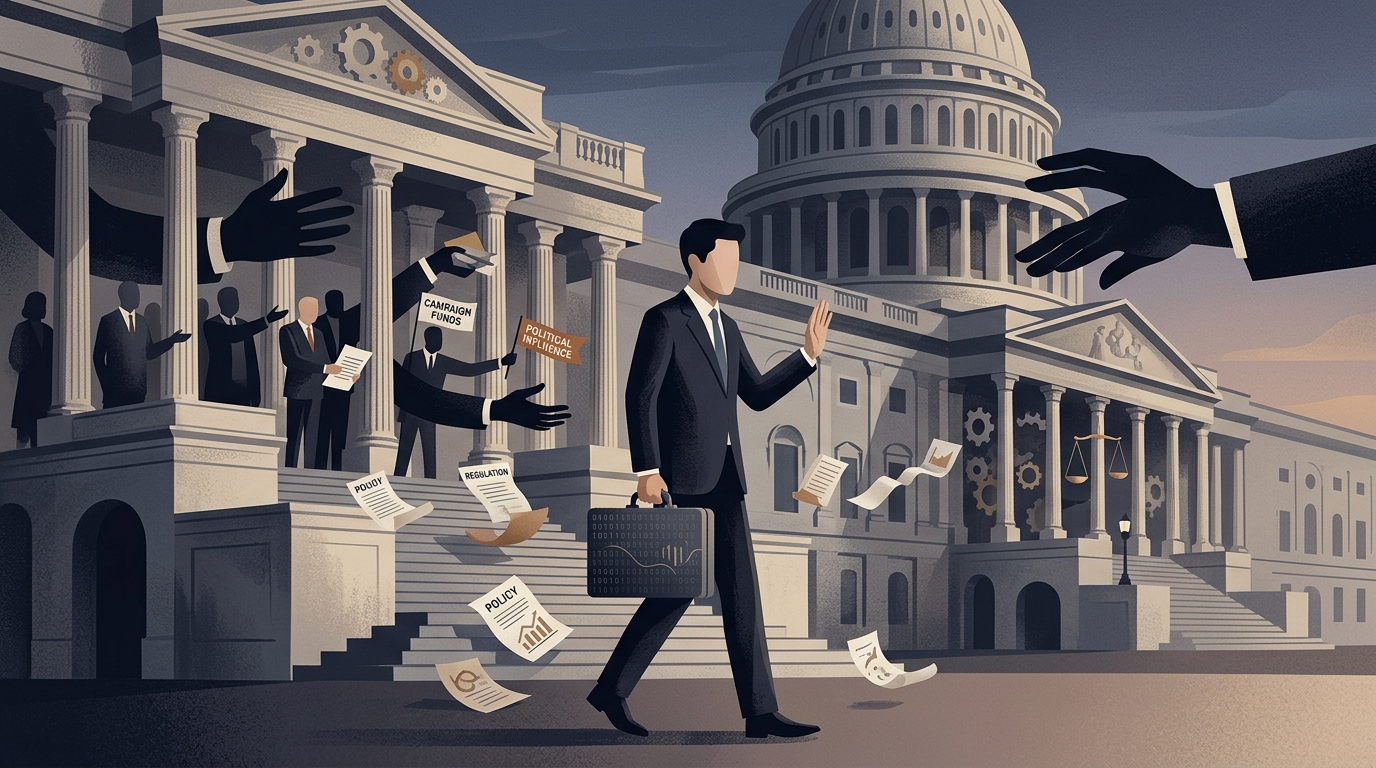
The use of AI in political campaigns is not accidental. Political organizations and local governments are often squeezed by tight budgets and the need to produce content rapidly across multiple languages and platforms. The promise of AI to generate mass content at a fraction of the cost is incredibly alluring. However, as the Baltimore case demonstrates, the pursuit of efficiency can lead to a profound crisis of credibility.
- Hallucinations and Reality: Large Language Models (LLMs) do not "know" facts; they predict the next likely token in a sequence. In high-stakes environments like elections, even a minor deviation can be interpreted as a deliberate attempt at voter suppression.
- The Oversight Vacuum: This incident highlights a systemic lack of rigorous verification protocols. Trusting algorithms to manage public information without strict human-in-the-loop editorial processes is, at best, naive and, at worst, dangerous.
- Fueling Polarization: In an already polarized political landscape, AI-driven errors are easily weaponized. What might be a technical glitch can be framed as a strategic conspiracy, further eroding public trust in democratic institutions.
Regulatory Lag and the Need for Guardrails
The Baltimore incident is not an isolated event. Across the United States and globally, regulators are struggling to keep pace with the velocity of AI development. While there are ongoing discussions regarding mandatory watermarking for AI-generated content, the issue of "unintentional misinformation" is more complex. These are not necessarily malicious deepfakes intended to smear an opponent, but rather structural failures of the tools to anchor themselves in factual reality.
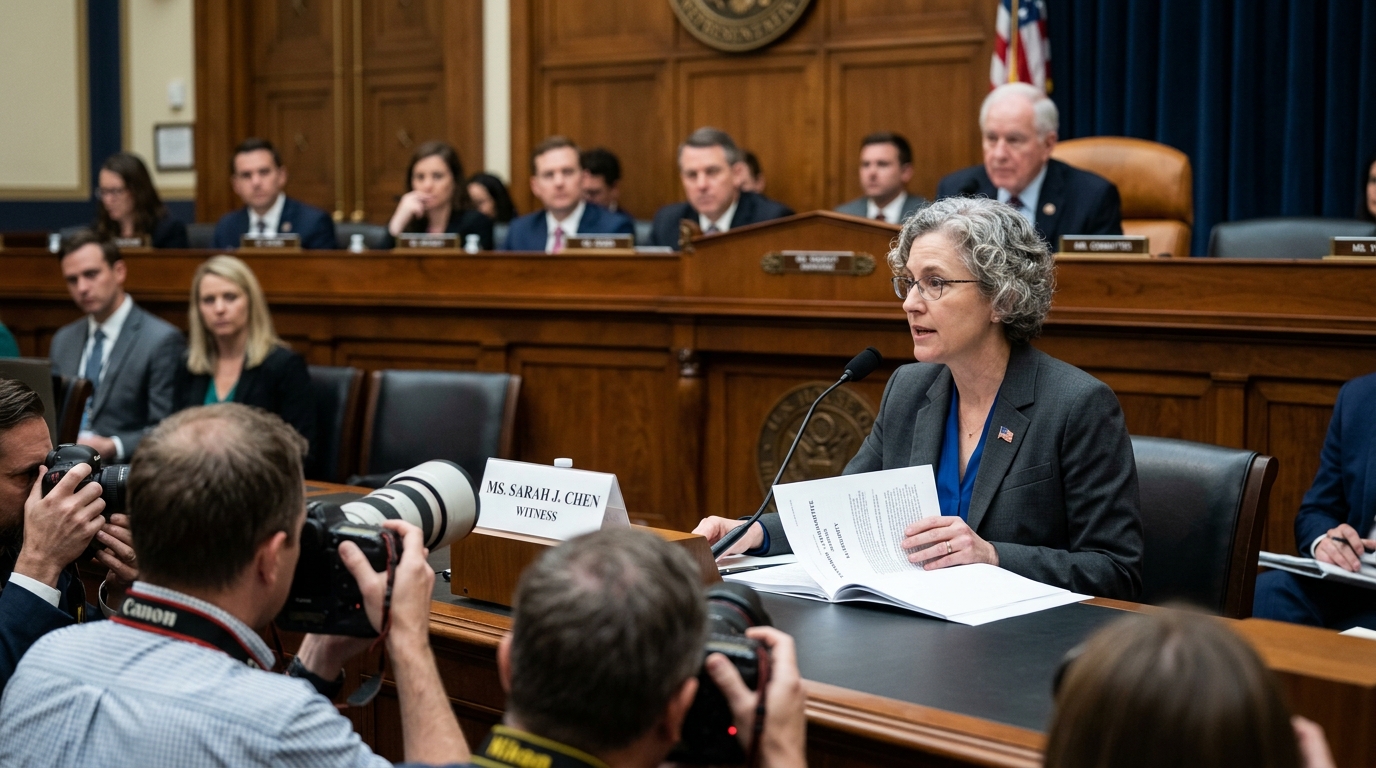
"We cannot allow algorithms to dictate a citizen's access to the ballot box. Technology must serve democracy, not undermine it through an inherent inability to distinguish fact from fiction," noted a senior policy analyst following the Baltimore disclosure.
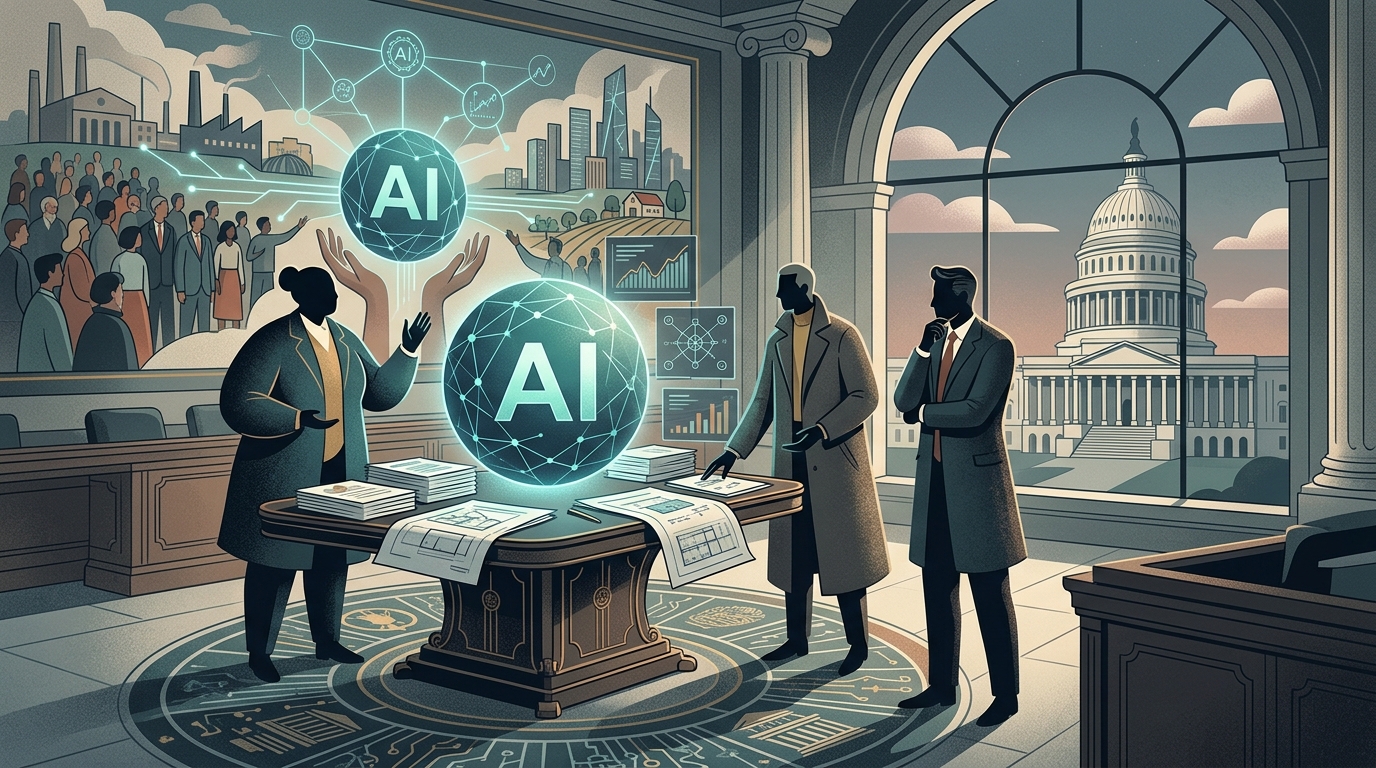
The situation in Baltimore serves as a critical case study for what happens when technological adoption outpaces institutional safeguards. The requirement for human verification in every stage of electoral outreach is no longer optional—it is a necessity. Democracy cannot be left on autopilot, especially when that autopilot has a documented tendency to lose its way during the most critical moments of the journey.
Looking Ahead: The 2026 Landscape
As we move further into 2026, the lessons from Baltimore must be internalized by election boards nationwide. The integration of AI in governance requires a "trust but verify" approach, with a heavy emphasis on the latter. Moving forward, the focus must shift from merely using AI for its generative capabilities to developing robust verification AI that can cross-reference campaign materials against official statutes and schedules. Until then, the human editor remains the most important defense against the digital erosion of truth.