In a defining moment for American technological hegemony, June 17, 2026, marks the day Washington sent a clear signal to Silicon Valley: innovation can no longer outpace national security. The news that US Commerce Secretary Gina Raimondo issued a stern warning to Anthropic, one of the world's leading AI firms, highlights the escalating tension between the need for global talent and the protection of America's "digital crown jewels."
Anthropic Under the Microscope: The 'Deemed Export' Dilemma
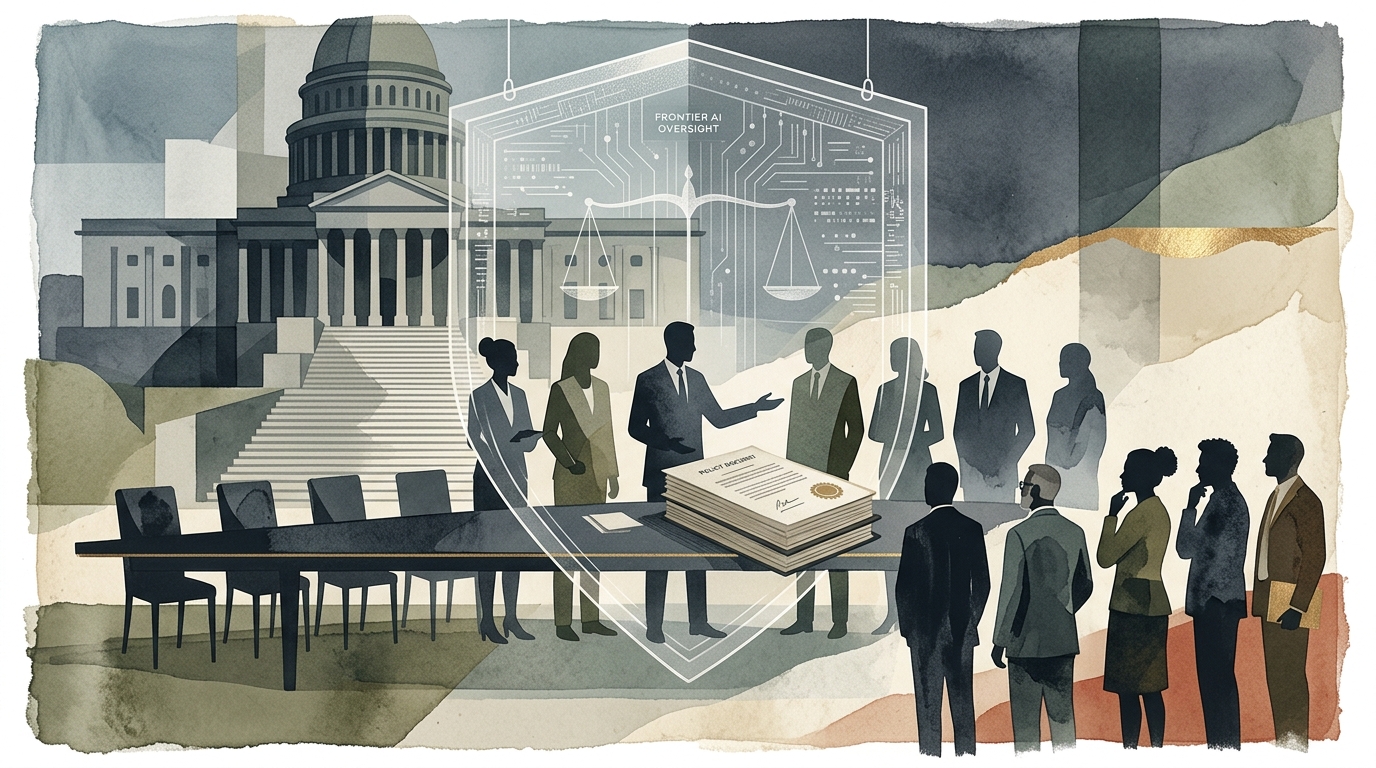
The warning to Anthropic centers on a technical yet vital aspect of export regulations: "deemed exports." According to the Department of Commerce, granting foreign nationals—even those employed on US soil—access to the parameters, weights, and architecture of advanced AI models is legally equivalent to exporting that technology to their home countries.
Anthropic, which has secured billions in funding from giants like Amazon and Google, now finds itself in a precarious position. The company relies on a highly international workforce to develop its Claude model series. Requiring a government license before allowing scientists from "countries of concern"—a euphemism often targeting China, Russia, and Iran—to access core technology could drastically slow its pace of development. Raimondo’s move is strategic. It comes at a time when AI's potential in cyber warfare and biological weapon design has deeply concerned intelligence agencies.
SpaceX: An Inevitable Correction in the Private Market
While Anthropic grapples with regulatory headwinds, Elon Musk’s SpaceX is experiencing a different reality in the markets. After three days of meteoric rises in secondary market trading, SpaceX shares saw a decline as investors moved to lock in profits. SpaceX, which remains a private entity with a valuation now approaching $250 billion, is considered the "unicorn of unicorns."
This drop does not signal a lack of confidence but rather a healthy market correction. With the Starship program hitting consistent milestones and Starlink dominating global satellite internet provision, SpaceX has become a de facto monopoly in space transportation. However, its tight integration with the US Department of Defense also makes it vulnerable to the same geopolitical pressures facing Anthropic. Investors are questioning whether stricter technology export controls could eventually hamper Starlink’s global expansion plans.
The 'Silicon Curtain' and the Future of Innovation
What we are witnessing is the construction of a new "Silicon Curtain." The era of open, global collaboration in cutting-edge technology appears to be drawing to a close. Washington is attempting to ringfence intellectual property within its borders, fearing that the next major AI breakthrough could be weaponized against it.
- AI companies will need to invest heavily in legal compliance and internal security audits.
- Attracting foreign talent will become a bureaucratic odyssey, potentially deterring top scientists from choosing the US.
- The private equity market for tech titans like SpaceX will show increased volatility as political decisions directly impact valuations.
In conclusion, today’s events emphasize that technology is no longer an independent sector of the economy; it is the primary instrument of state power. Anthropic and SpaceX are the protagonists in a drama where the stakes are not just shareholder billions, but the very balance of power in the 21st century.