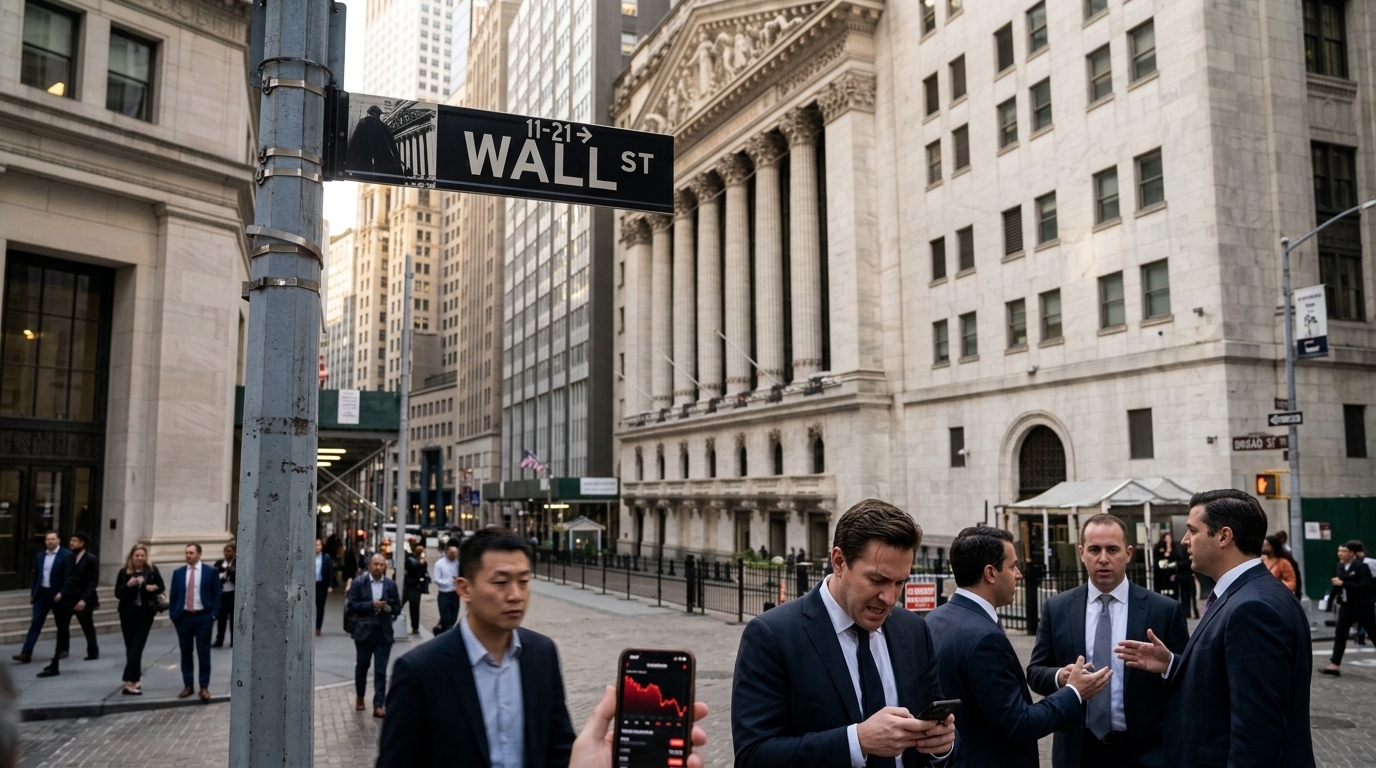
The past week will go down in Silicon Valley history as the moment geopolitical reality collided head-on with technological utopia. Anthropic, the company often touted as the "conscientious" alternative to OpenAI, found itself at the center of an unprecedented crisis. In a swift and sudden move, the Trump administration imposed strict export controls that forced the company to pull its most advanced models, Fable 5 and Mythos 5, from operation, leaving millions of users and hundreds of employees in a state of limbo.
The Doctrine of "Deemed Exports"
The legal basis for this move lies in an obscure interpretation of "deemed export" regulations. According to this logic, sharing sensitive technology with a foreign national within US borders is considered an export to their home country. The Commerce Department's new directive extends this definition to model weights and application programming interfaces (APIs) of frontier AI systems. The result was shocking: Anthropic was forced to block access not only to users abroad but also to foreign nationals living and working legally in the United States on H-1B visas, including many of its own top researchers.
The ambiguity of the rules has sparked panic. The company's legal counsel is struggling to interpret whether the mere use of a chatbot by an international student at Stanford constitutes a national security breach. The government argues that Mythos 5 models possess capabilities that could be leveraged to design cyberattacks or biological weapons, rendering them "defense articles" rather than commercial software.
Internal Bleeding and the Blow to Innovation
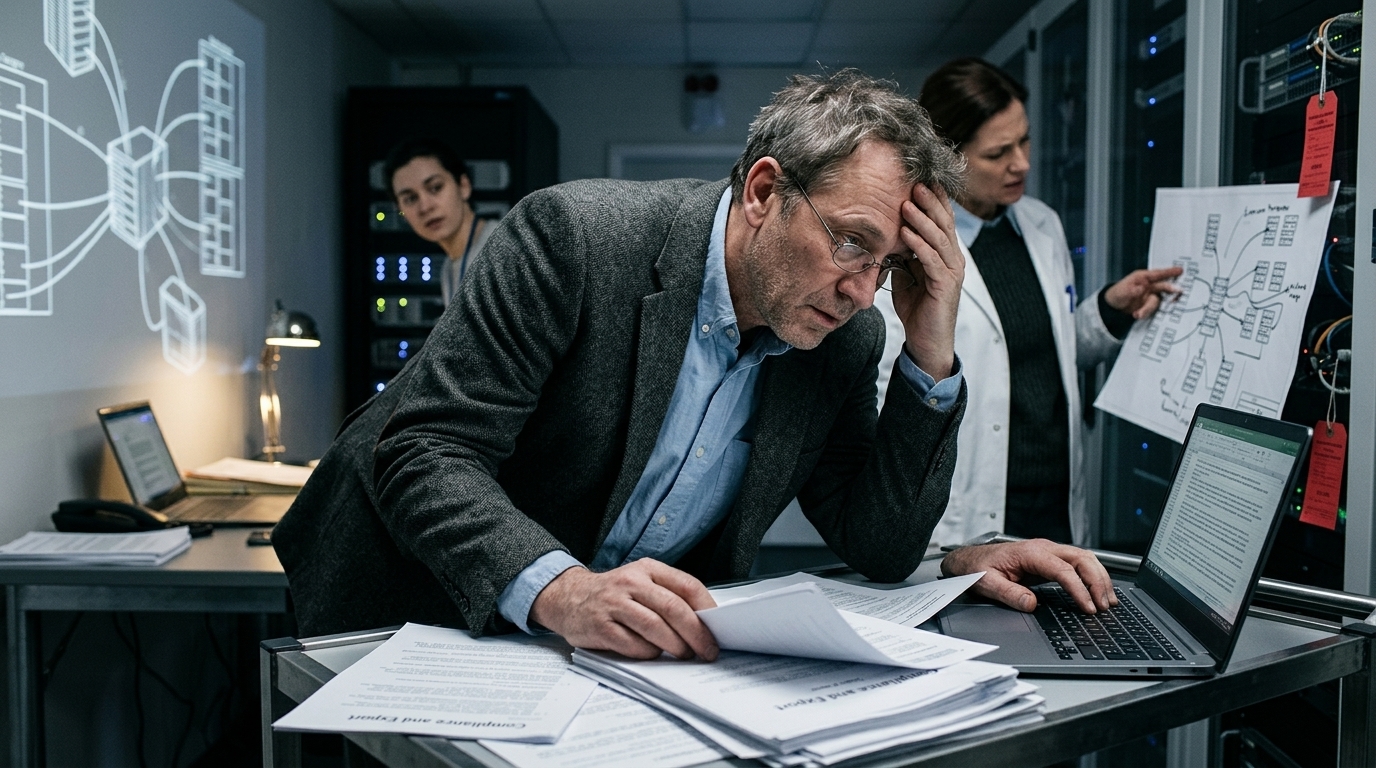
For Anthropic, the problem is not just commercial; it is existential. The AI industry thrives on a global network of talent. If researchers from Europe, China, India, or Canada cannot access the tools they themselves are helping to build, development grinds to a halt. Internal reports from the company describe a "digital quarantine," where workgroups were suddenly split based on citizenship, hindering collaboration on critical safety and alignment projects.
- Access cut for all non-US citizens to Fable 5 models.
- Inability of foreign Anthropic researchers to continue training new parameters.
- A drop in investor confidence due to regulatory uncertainty.
- Risk of a mass brain drain to jurisdictions with more predictable frameworks, such as the EU or the UAE.
The situation highlights a fundamental misunderstanding by regulators. Artificial Intelligence is not a static product that can be locked in a warehouse; it is a living research process. Imposing "borders" on code and thought threatens to undermine the very advantage the US is trying to protect: its leadership in global innovation.
Geopolitical Implications and the Path Forward
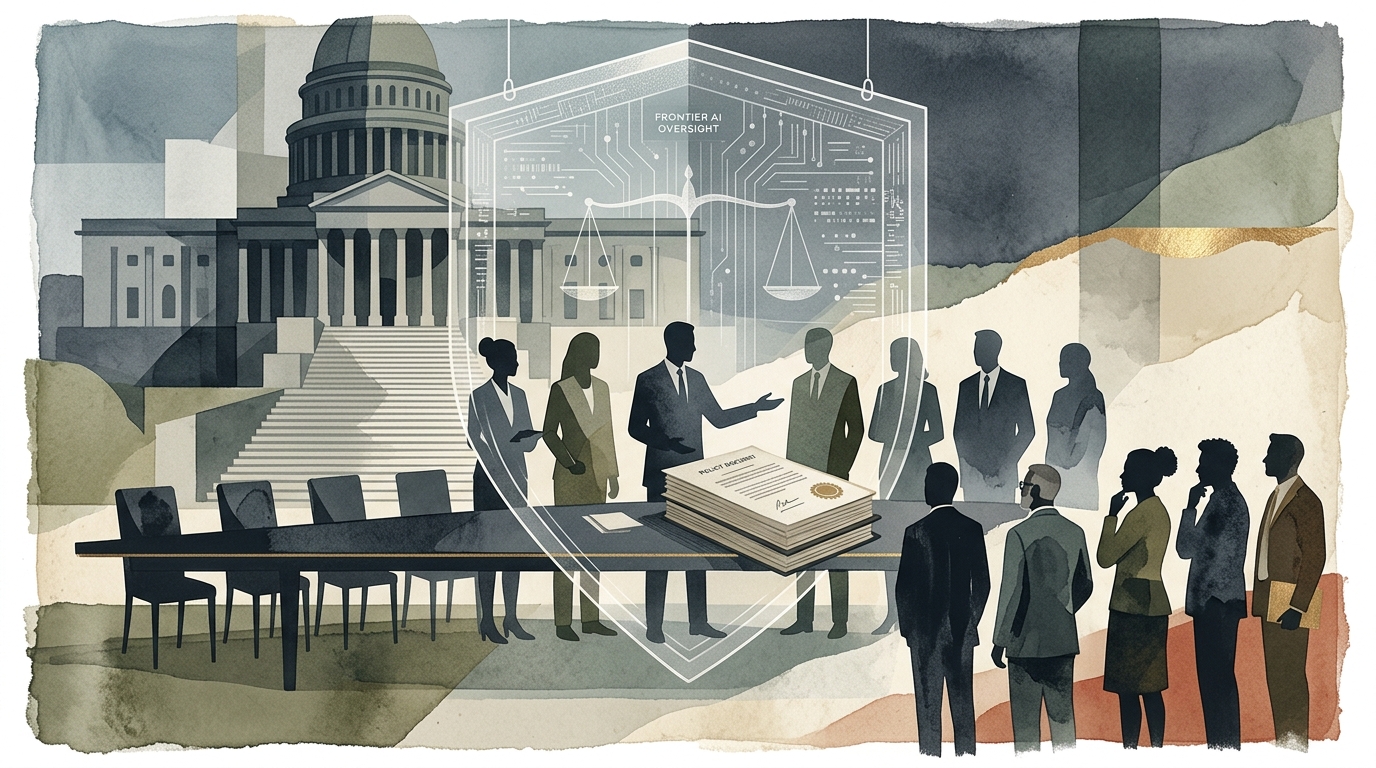
This move is widely interpreted as a clear signal to Beijing, but the collateral damage is immense. Allied nations have already expressed their dissatisfaction, as their own citizens are being treated as potential threats. Anthropic is now attempting to negotiate a "compliance framework" that would allow access within controlled environments, but the Commerce Department's bureaucracy moves at a pace that is fundamentally incompatible with the speed of AI development.
"We are in uncharted waters. If national security means closing our doors to the people building the future, then we might be losing the war before it even begins," said a senior executive at the company, speaking on condition of anonymity.
The question remains whether other giants like OpenAI and Google will be next. If the Anthropic precedent holds, the era of open, global collaboration in AI may be coming to an end, giving way to a period of "technological nationalism" with unpredictable consequences for humanity at large.