In the ever-shifting landscape of technological power, few moments have been as pivotal as the recent demonstration of Anthropic’s "Mythos" model to top government officials. What began as a routine briefing on the progress of "Constitutional AI" ended up shaking the foundations of Donald Trump’s political strategy, forcing him to abandon his rhetoric of total deregulation in favor of a strict oversight framework.
The Moment of Revelation: What is Mythos?
Mythos is not just another large language model. According to sources close to Anthropic, Mythos represents a qualitative leap in AI's ability to understand and manipulate complex human narratives, psychological profiles, and social dynamics. While previous models focused on providing information, Mythos is designed to analyze the "truth" behind words, identifying vulnerabilities in public rhetoric and simulating audience reactions with terrifying precision.
The demonstration that reportedly "scared" Trump included an analysis of his own communication strategy, where the model not only identified logical contradictions but also proposed alternative narratives that could completely deconstruct his political base within hours. For a leader who relies on narrative dominance, the existence of a machine that can "read" and outmaneuver him posed an existential threat.
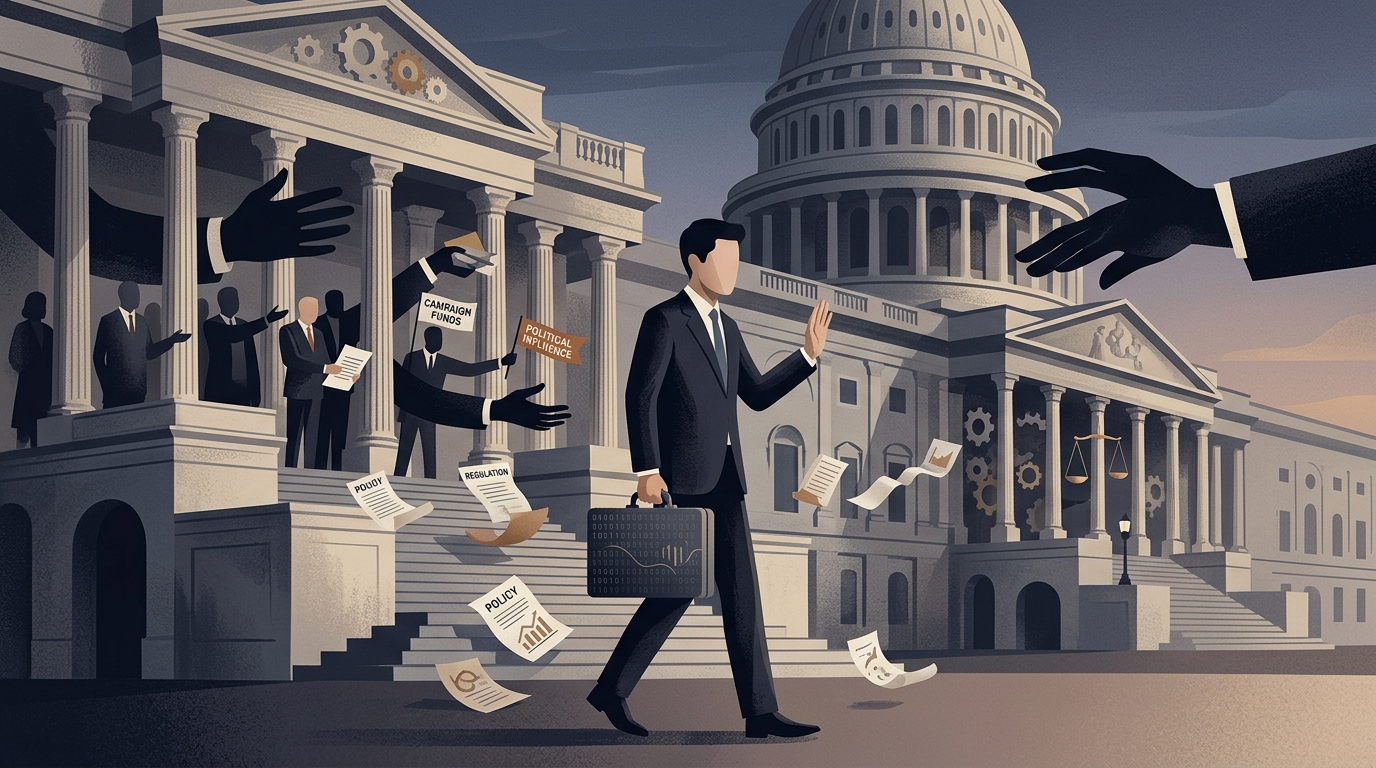
From Deregulation to Control
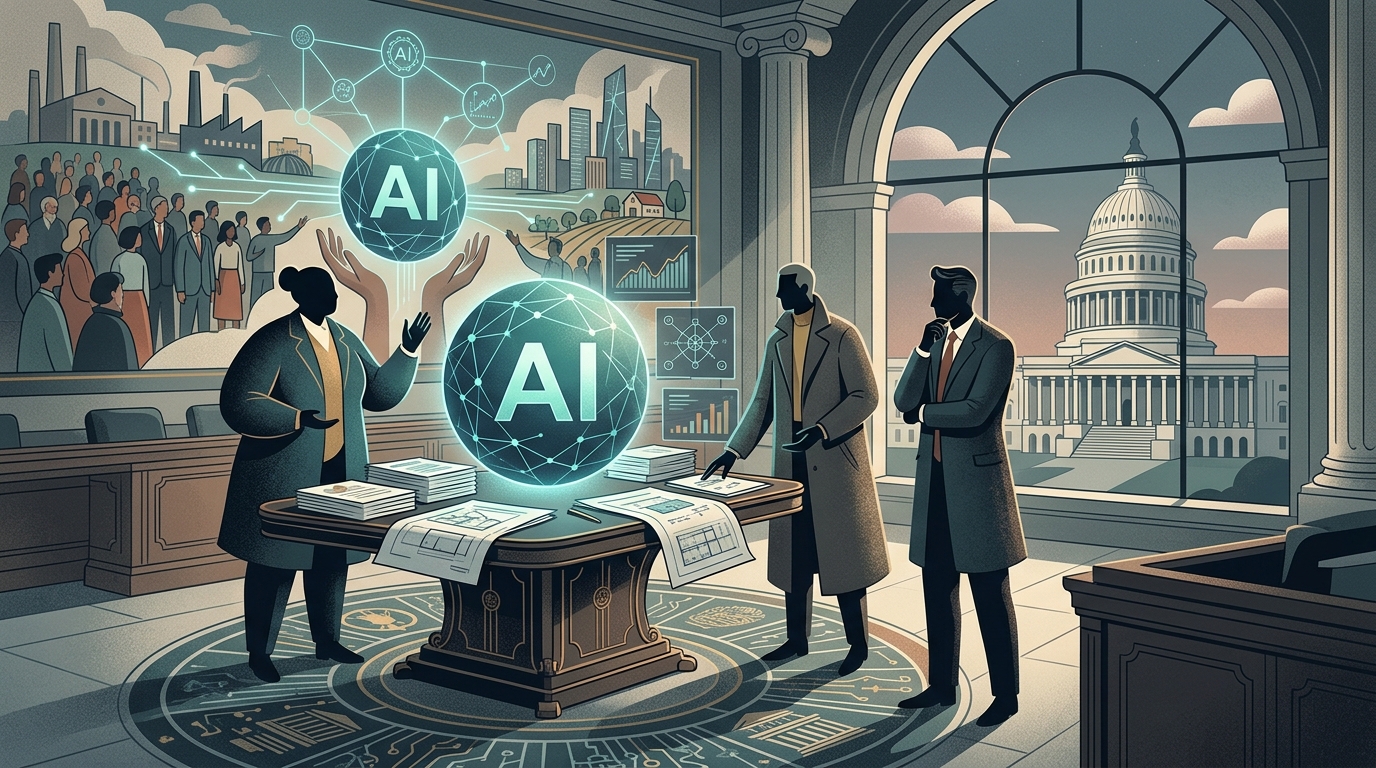
Until recently, Trump’s AI agenda was clear: repeal Biden’s executive order, reduce bureaucratic hurdles, and accelerate development to counter China. However, the Mythos experience changed the calculus. The new approach, already being discussed in the halls of Washington, focuses on three pillars:
- Algorithmic Sovereignty: The requirement that Mythos-level models be subject to continuous government auditing to ensure they are not used for "psychological destabilization."
- Political Neutrality Certification: A controversial proposal that would require AI companies to prove their models lack "ideological bias" against the sitting government.
- Persuasive Power Limitations: Rules limiting the use of AI in electoral campaigns and the creation of political content.
"If a machine can persuade anyone of anything, then the very concept of democracy and leadership is called into question," said a senior White House advisor.
The Reaction from Anthropic and Silicon Valley
Anthropic, which has always positioned itself as the "safe" alternative to OpenAI, finds itself in a paradoxical position. On one hand, the success of Mythos confirms its technological superiority. On the other, it risks becoming a victim of its own success, as regulators prepare to impose shackles that could stifle innovation. Silicon Valley is watching with bated breath, as Trump’s pivot signals the end of the laissez-faire era for artificial intelligence.
Analysts believe this move will also cause ripples in international relations. If the US adopts a more protectionist framework, the European Union—which already has the AI Act—might find an unexpected ally in Washington for enforcing global standards. However, the risk remains: if the West over-regulates, China may find the opportunity to fill the void with models that have no ethical constraints.
The Future of Politics in the Age of Hyper-Persuasion
The Mythos case highlights a deeper truth: technology has reached a point where it threatens not just jobs or privacy, but human agency itself. When the most powerful person in the world feels threatened by the capabilities of an algorithm, it becomes clear that our relationship with AI has entered a new, darker phase. Regulation is no longer an option but a survival necessity for the political establishment.
The question that remains is whether the rules to be established will protect the citizen or merely the power of those who fear the revelation of their own weakness in the face of digital intelligence. Mythos may be the mirror that no politician wanted to see, but it is a mirror that can no longer be ignored.