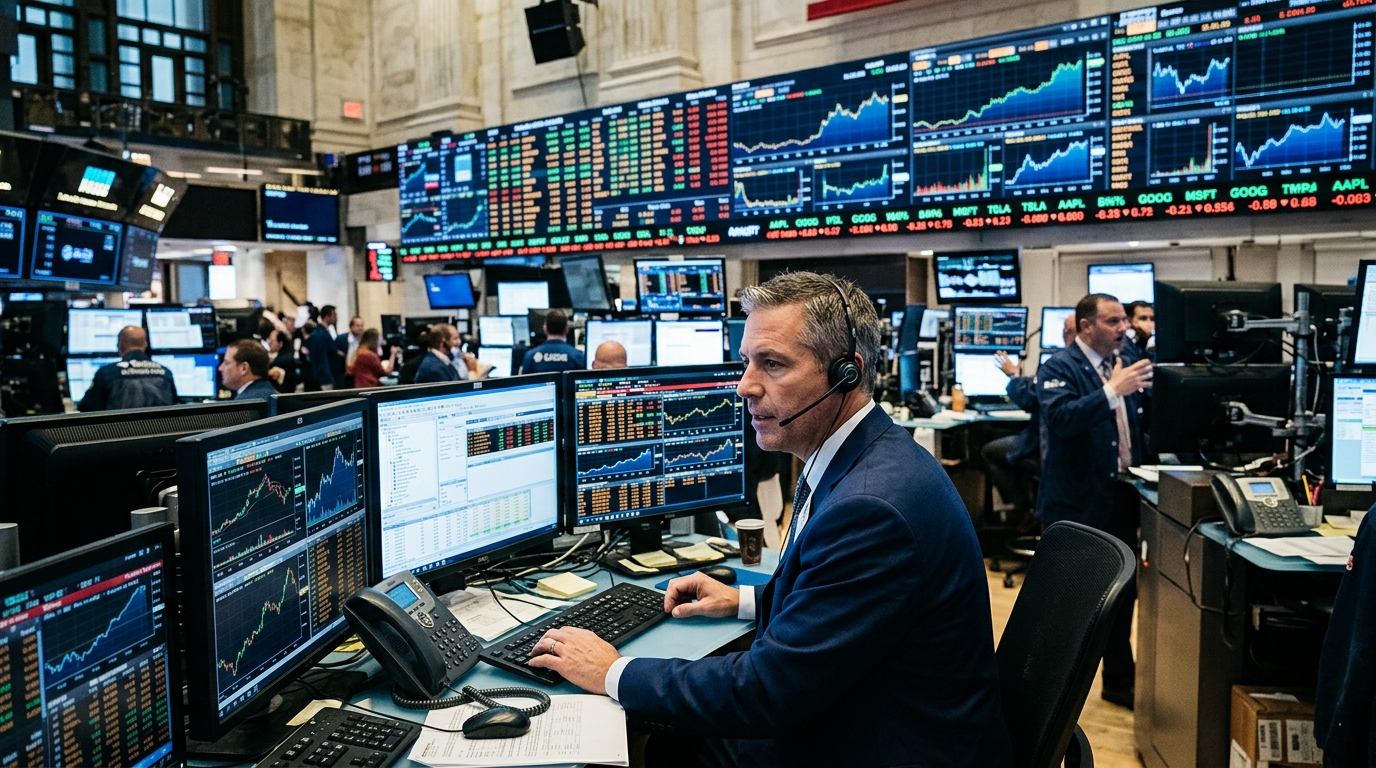
For decades, the image of Wall Street was synonymous with intensity, shouting on the trading floor, and traders making split-second decisions based on gut instinct and experience. Today, in May 2026, that image is firmly a thing of the past. Artificial Intelligence (AI) has moved beyond the experimentation stage and has taken the helm of even the largest and most strategic transactions, fundamentally altering the dynamics of global markets.
From High-Frequency Trading to Strategic Execution
Until recently, the role of algorithms was primarily limited to High-Frequency Trading (HFT), where the speed of executing thousands of small trades in fractions of a second was the goal. However, the new generation of AI bots, based on advanced reinforcement learning models and Natural Language Processing (NLP), is now handling "block trading"—the movement of massive blocks of shares that previously required delicate handling by experienced brokers to avoid disrupting market balance.
Major investment banks like Goldman Sachs and JPMorgan have developed systems capable of simultaneously analyzing thousands of parameters: from geopolitical developments and central bank announcements to social media sentiment and real-time liquidity flows. These systems don't just execute orders; they predict market reaction and choose the ideal moment and optimal method to execute a multi-billion dollar order, minimizing "slippage" (the deviation of the execution price from the desired price).
The Psychology of the Machine: Why "Cold" Algorithms Win
One of AI's greatest advantages on Wall Street is the complete absence of emotional bias. Human traders, no matter how experienced, are subject to cognitive biases and psychological pressures, especially during periods of high volatility. Artificial Intelligence does not panic, does not feel overconfident, and does not attempt to "revenge trade" after a loss.
"The trust we place in AI bots today is not based on hope, but on data. The results show that machines manage risk with a precision that the human brain simply cannot reach when billions are at stake," says a senior asset management executive in New York.
Furthermore, the ability of bots to learn from every transaction (self-learning) means the system is constantly improving. Every failure or success feeds the algorithm, making it more efficient for the next move. This continuous evolution makes it nearly impossible for a human to compete in terms of data analysis and decision speed.
Black Box Risks and Systemic Stability
Despite the excitement, the increasing reliance on AI raises serious questions. The primary issue remains the "Black Box": often, even the developers cannot explain exactly why a model made a specific decision. In the event of a sudden market collapse (flash crash), the lack of transparency in bot decisions could exacerbate the crisis, as systems might react in ways that were not anticipated.
- Systemic Risk: If many different AI bots use similar training models, there is a risk they will react simultaneously in the same way, causing massive one-sided pressures on the market.
- Cybersecurity: Manipulation of input data (data poisoning) could lead bots to catastrophic decisions, representing a new target for malicious actors.
- Ethical Dilemmas: Who bears responsibility when a transaction executed by AI causes damage to pension funds or retail investors?
The Future: Human-Machine Symbiosis
Wall Street is not going to be completely emptied of humans, but their role is transforming. Traders are becoming "algorithm supervisors" and strategic designers. Human judgment remains essential for understanding the broader political and social context that machines, for now, struggle to fully quantify.
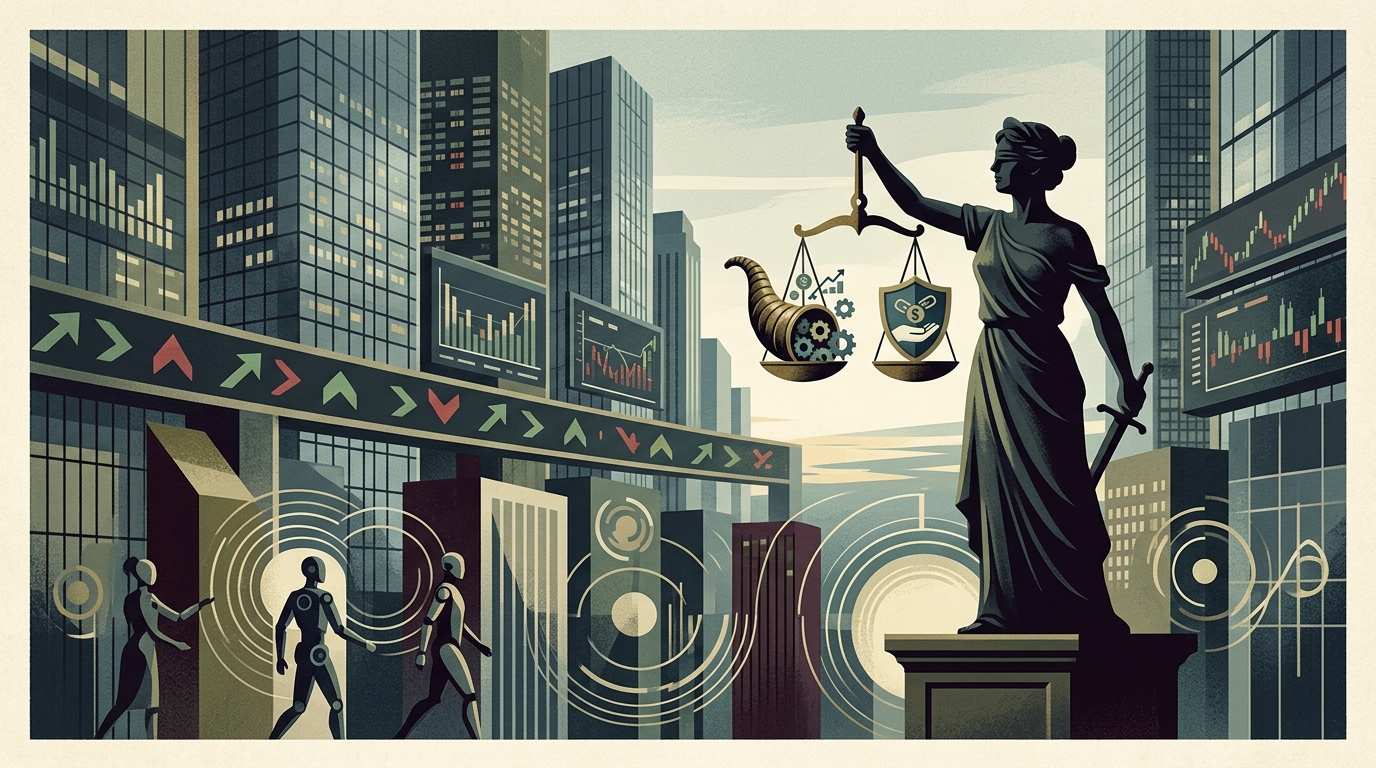
In conclusion, Wall Street's trust in AI bots for large-scale transactions marks the maturation of the technology. Efficiency and cost reduction are undeniable advantages, but the challenge for 2026 and beyond will be creating a regulatory framework that ensures machine intelligence does not function at the expense of the stability of the global financial system.