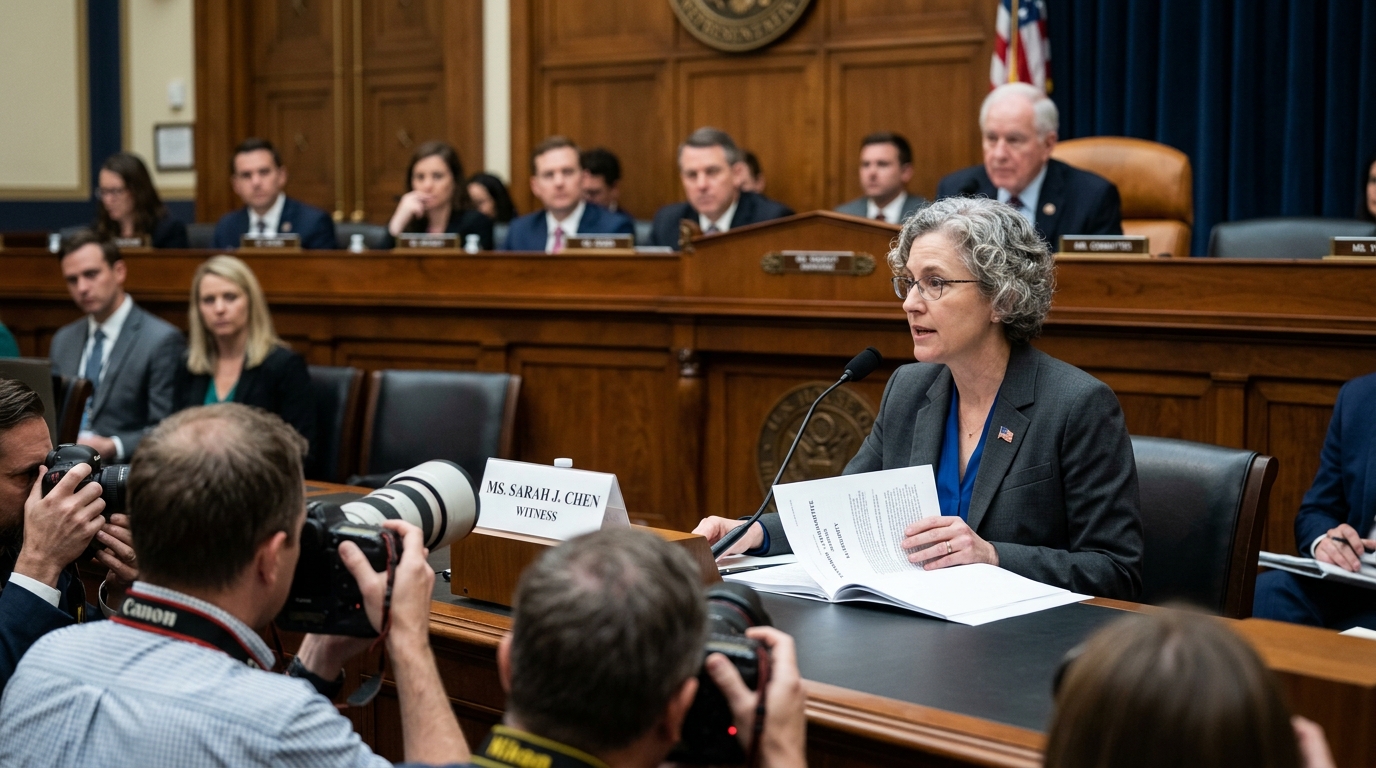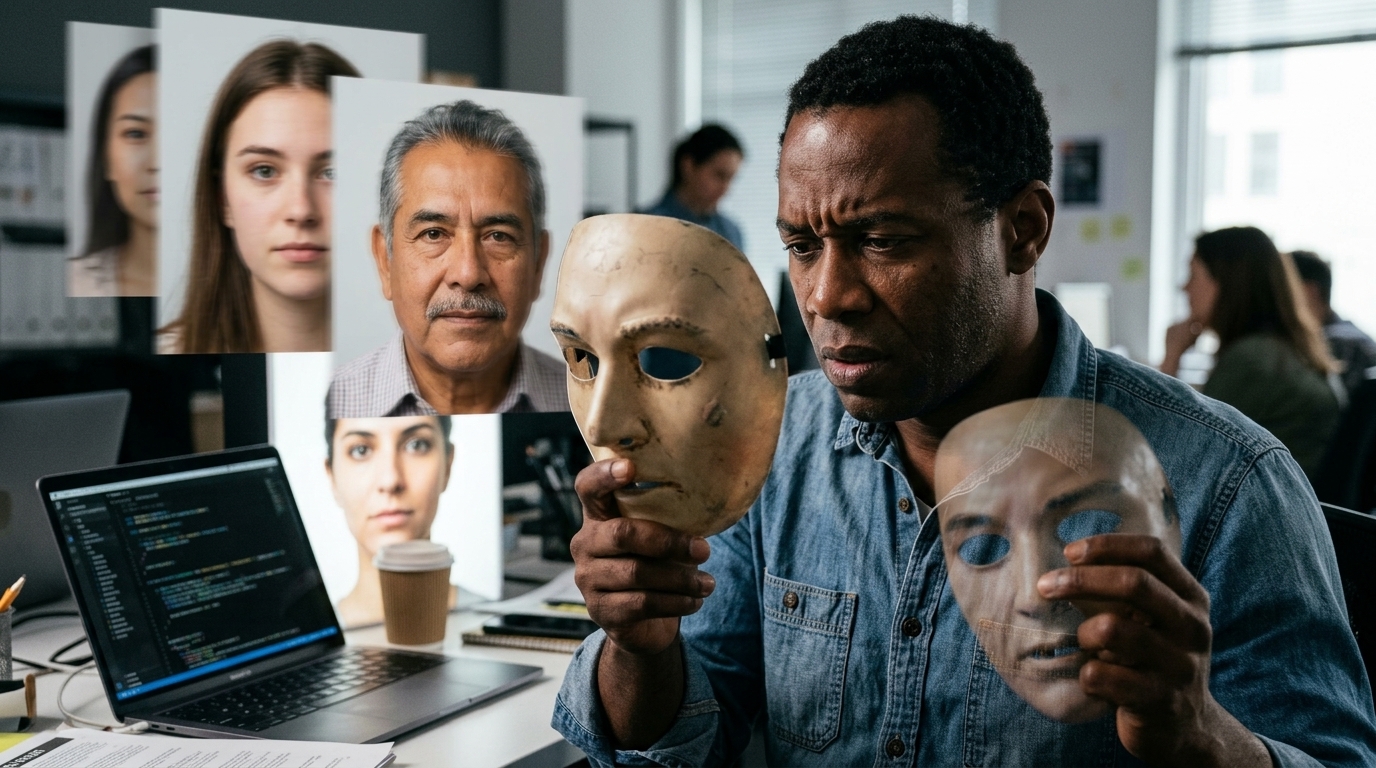
Last May, President Donald Trump signed into law a piece of legislation that many described as the "nuclear option" against digital abuse. The "Take It Down Act" has now entered full force, imposing a strict mandate on social media platforms to swiftly remove sexual deepfakes and other nonconsensual imagery (NCII). However, as the dust from the political fray settles, the reality of its implementation is proving to be far more complex and potentially dangerous than initially envisioned.
The fundamental philosophy of the law is straightforward: if a user reports that an image or video is an AI-generated product violating their privacy without consent, the platform must remove it within a matter of hours. Failure to comply exposes companies to crippling fines and legal liabilities that strike at the heart of their business models. Yet, behind the noble intent of victim protection lies a mechanism that could easily be weaponized into a tool for mass censorship.
The "Notice and Takedown" Mechanism
The law is modeled after the DMCA (Digital Millennium Copyright Act), traditionally used to protect intellectual property. The critical difference here is that the stakes are not a movie or a song, but human dignity. Critics point out that the speed required for removal leaves no room for meaningful verification. Platforms, fearing immense legal repercussions, are likely to adopt a policy of "remove first, ask questions later."
This creates a perilous precedent. What happens when a satirical video or a piece of sharp political commentary is labeled a "nonconsensual deepfake" by someone seeking to erase it from the internet? Deepfake detection technology remains imperfect, and the distinction between malicious forgery and legitimate use of AI is often subjective. Experts warn that the law provides a potent weapon for those wishing to silence dissent under the guise of privacy protection.
Technical Inadequacy and Compliance Chaos
For tech giants like Meta, Google, and X (formerly Twitter), the challenge is Herculean. The sheer volume of content uploaded daily makes human moderation impossible. Relying on automated AI systems to detect other AI systems creates a cycle of "digital witch hunts." These systems frequently produce false positives, leading to the removal of legitimate content, while simultaneously failing to catch the most sophisticated forgeries.
Furthermore, there is the issue of international jurisdiction. While the law is American, the internet knows no borders. A US-based platform might be forced to remove content globally, affecting users in countries with different legal frameworks and concepts of free speech. This "extraterritoriality" of US law is already causing friction with the European Union, which operates under its own AI Act, creating a legal mosaic that complicates life for both businesses and citizens.
The Political Backdrop and Implications
President Trump’s signing of the act in 2025 was a strategic move that caught many off guard. Traditionally, the Republican Party opposes tech regulation, citing free-market principles. However, the rhetoric of "protecting family values" and confronting the "unrestrained power of Big Tech" provided the perfect vehicle to push the Take It Down Act through.
The implementation comes at a time of intense political polarization. There are valid fears that the law will be used selectively to suppress content deemed inconvenient by those in power. Although the law focuses on sexual content, its definitions are broad enough to be open to interpretation. History has shown that such tools, once institutionalized, rarely remain confined to their original purpose.
Conclusion: A Precarious Balance
Protecting individuals from sexual abuse via deepfakes is an undeniable necessity. The digital age requires new tools to safeguard dignity. However, the Take It Down Act, in its current form, resembles a blunt instrument attempting to perform surgery. The risk of collateral damage—the erosion of free expression—is staggeringly high.
As the first legal challenges against the law begin to hit the courts, the American judiciary will be tasked with deciding if safety can be achieved without sacrificing fundamental liberties. Until then, the internet remains a battlefield where technology outpaces the wisdom of legislators, and users are caught between the threat of forgery and the danger of enforced silence.