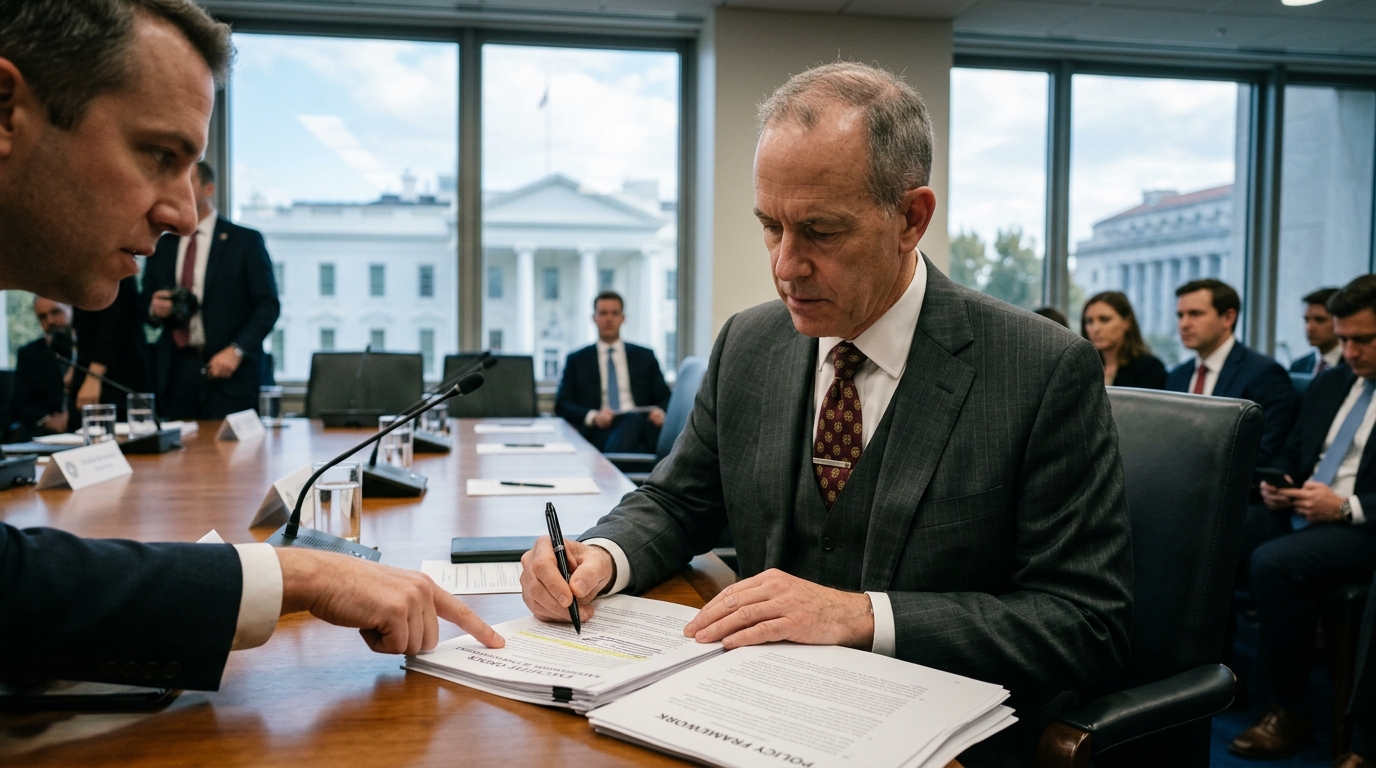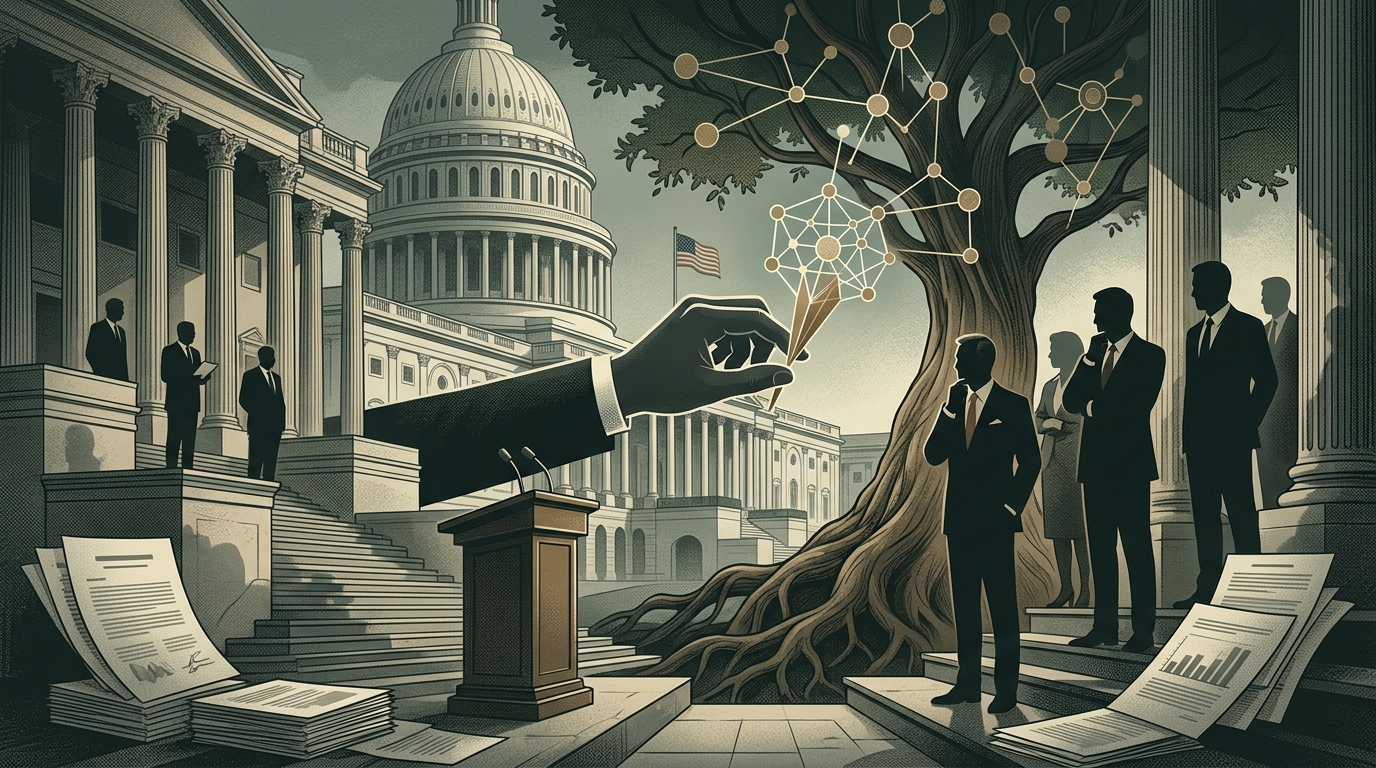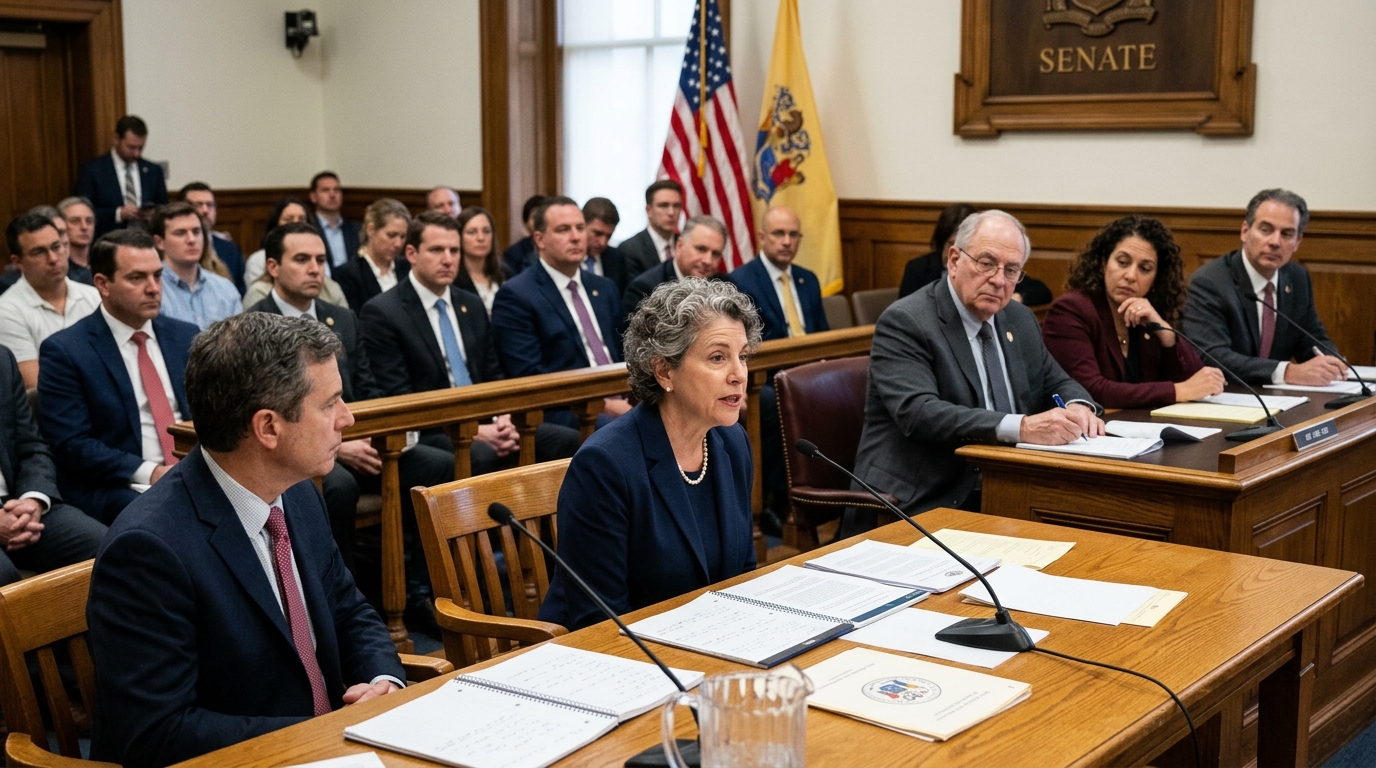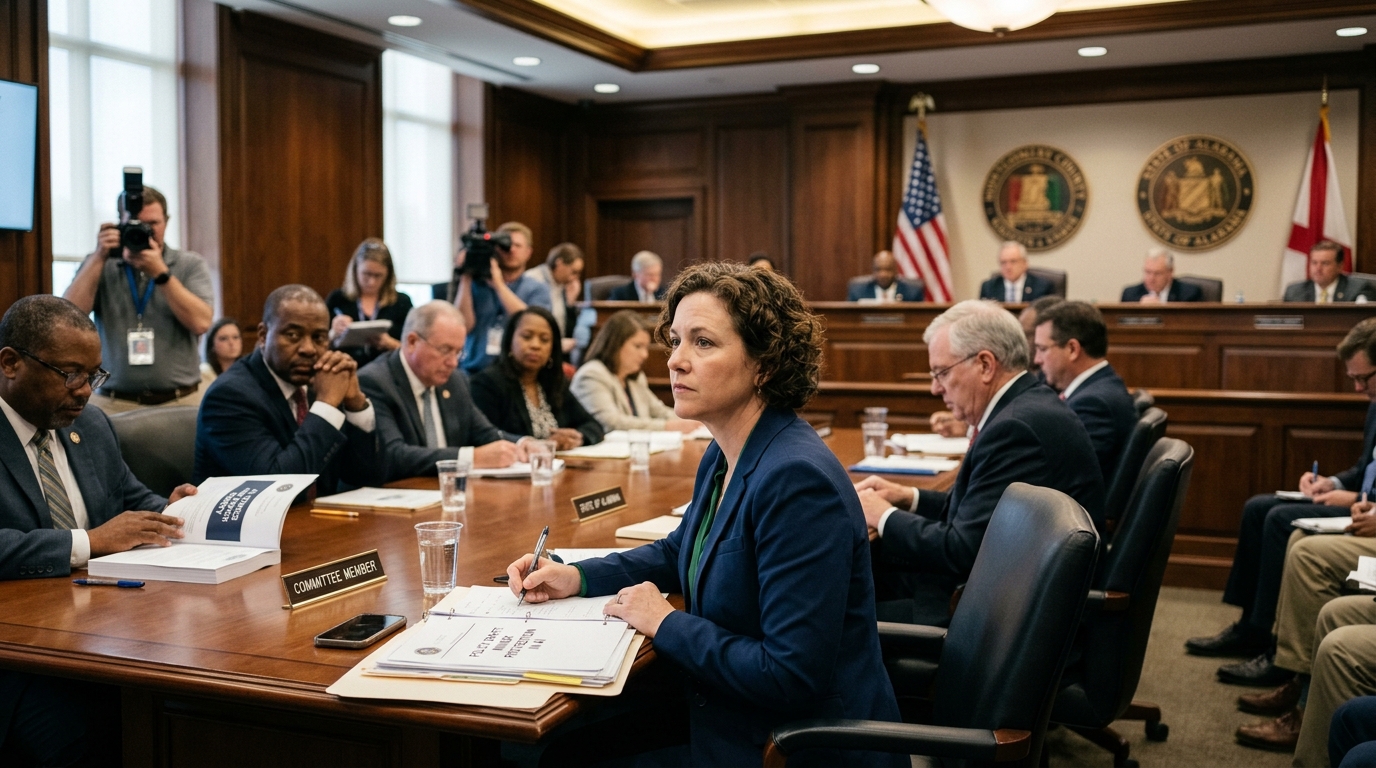
In the heart of Montgomery, Alabama’s capital, a group of lawmakers, technology experts, and educators gathered this week with a mission that many consider the most critical challenge of the decade: how to shield the next generation from the unchecked forces of Artificial Intelligence. The meeting of the Commission on AI and Kids Online Safety was not merely a bureaucratic exercise, but a clarion call in the face of a digital landscape shifting faster than society’s ability to regulate it.
As we move through 2026, Artificial Intelligence is no longer a futuristic promise but a daily reality invading schools, children’s bedrooms, and their social interactions. From sophisticated deepfakes used for bullying to algorithms that manipulate adolescent psychology, the risks have reached epidemic proportions. The commission in Montgomery was tasked with examining not only the technical aspects of these threats but also the moral weight of inaction.
The Scourge of Deepfakes and Digital Harassment
One of the central themes on the agenda was the rapid increase in non-consensual AI-generated content. In schools across America, and by extension the world, the use of generative AI tools to create false but realistic images and videos has become the new weapon of choice for schoolyard bullying. The commission heard testimonies about how such content can destroy lives in minutes, as the speed of internet distribution makes its recall nearly impossible.
Lawmakers discussed the need for stricter criminal penalties for those who create and distribute such material, as well as the responsibility of the platforms themselves. "We cannot ask children to be their own police in an environment designed to exploit them," one commission member stated. The discussion revolved around mandating "digital watermarking" on all AI-generated content to make it instantly recognizable as synthetic, although technical challenges remain immense.
Addictive Algorithms and Mental Health
Beyond direct harmful content, the commission focused on the "silent threat": AI-powered recommendation algorithms. These systems are designed with the sole purpose of maximizing screen time, often at the expense of minors' mental health. Continuous exposure to unrealistic beauty standards or content promoting self-harm and eating disorders is a direct result of algorithmic optimization.
Alabama’s approach appears to align with a broader trend in the US, where states are taking action where the federal government lags. Proposals for mandatory age verification and "safety switches" that limit app usage after certain hours were on the table. However, resistance from tech giants is a given, with the argument that such measures violate privacy and freedom of speech.
Education as an Antidote and a Battlefield
The meeting in Montgomery also highlighted the dual role of AI in education. While the technology offers personalized learning and support for students with learning disabilities, its indiscriminate use can lead to the atrophy of critical thinking. The commission proposed introducing "digital literacy" classes starting from elementary school, so children can learn to recognize AI manipulation.
However, the question remains: can teachers and parents, who often struggle to keep up with developments themselves, guide the children? The need for state investment in teacher training was deemed imperative. Children's online safety is no longer just a matter of parental control but a question of national security and social cohesion.
Closing the session, the commission pledged to present a comprehensive bill by the end of the year. Alabama, a state often considered conservative, seems to be pioneering in this field, recognizing that child protection is a horizontal political necessity that transcends party lines. The gamble is whether these regulations can be enforced on companies based thousands of miles away in Silicon Valley, and whether legislation can ever catch up with code.