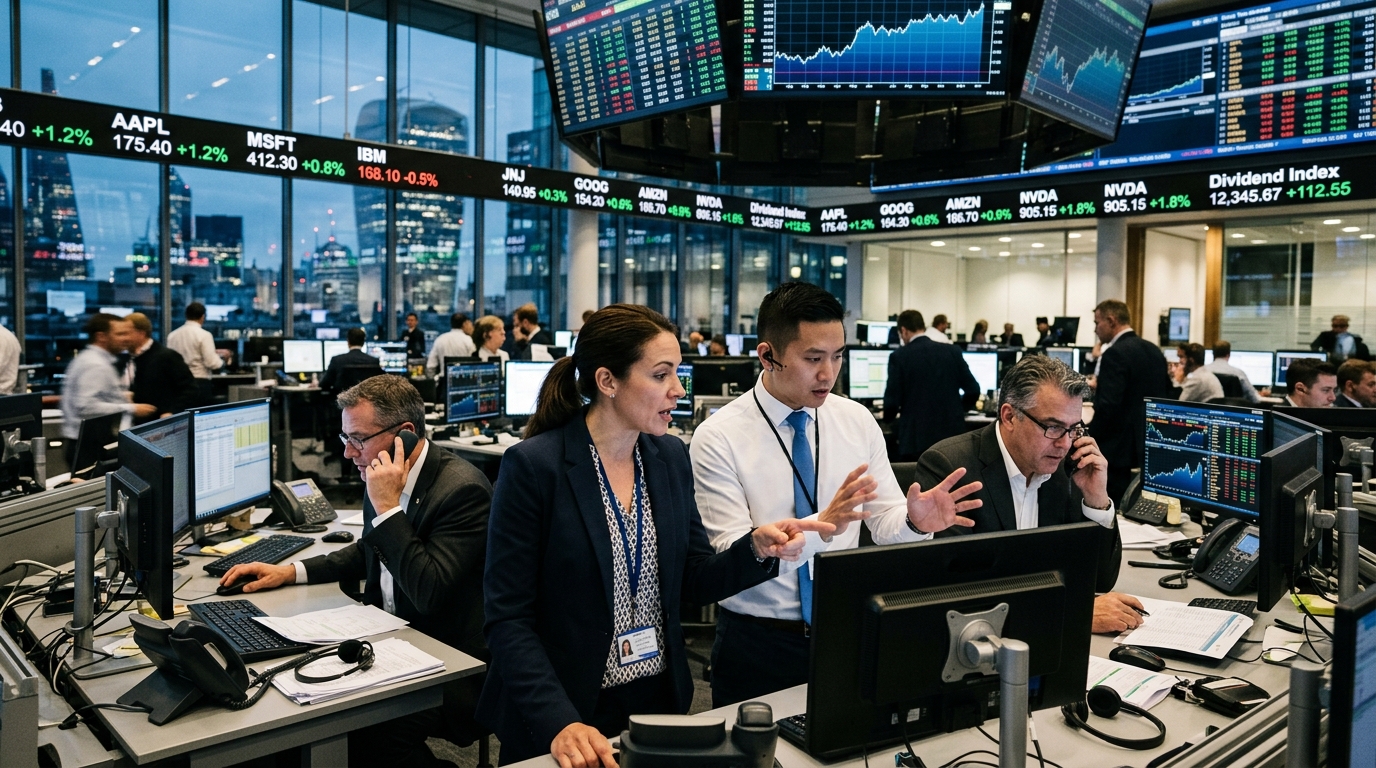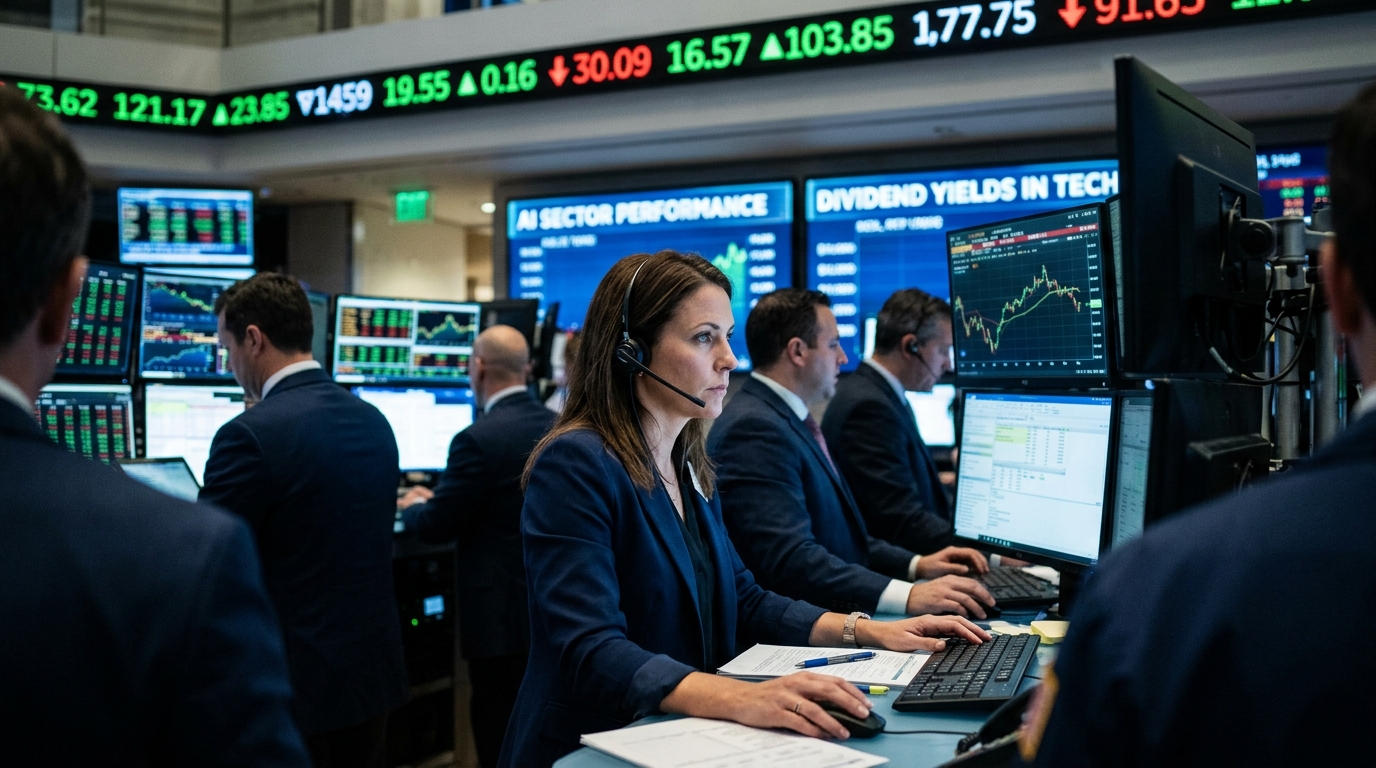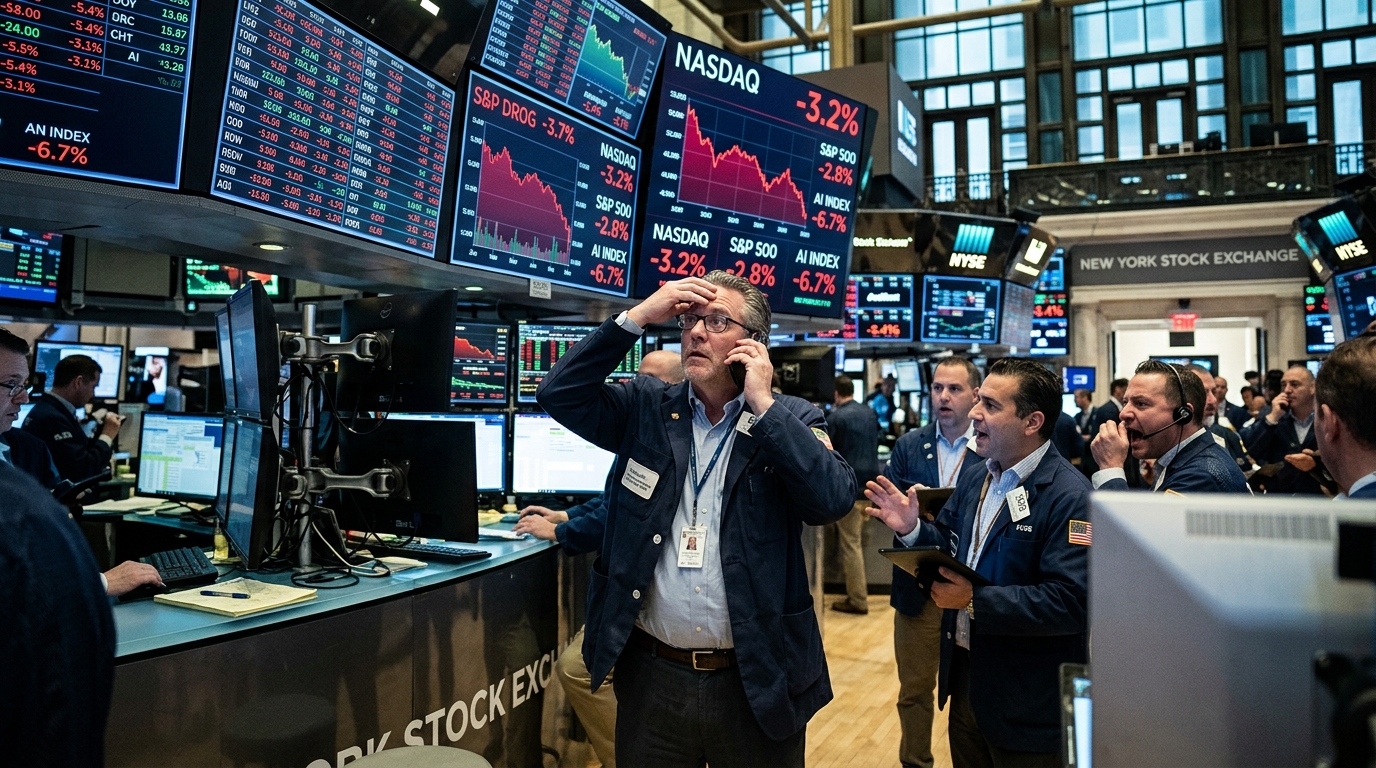
Wall Street continues to defy skeptics as the Dow Jones Industrial Average and the S&P 500 notched new all-time highs, even as the tech engines that powered the market for years showed signs of cooling. This recent session solidified a trend that analysts are calling the "Great Rotation": a strategic migration of capital from high-growth, high-valuation tech stocks into value-oriented sectors, including banking, energy, and traditional manufacturing. A significant drop in crude oil prices acted as a primary catalyst, offering a reprieve for corporate operating margins and boosting consumer sentiment.
The Resurgence of Blue Chips vs. Tech Exhaustion
For much of 2025 and early 2026, the equity markets were almost singularly driven by Artificial Intelligence euphoria. However, as of late May 2026, we are witnessing a maturation of the market cycle. The Dow Jones, comprising 30 of the most stable and iconic American corporations, is benefiting from a flight to safety and a renewed appetite for dividends. The retreat of Brent and WTI crude prices below critical technical thresholds has provided a tailwind for sectors like transportation and heavy industry, which are heavily weighted within the Dow.
Conversely, the technology sector—particularly the "Magnificent Seven"—is exhibiting signs of exhaustion. With valuations at historic extremes, investors are engaging in tactical profit-taking, reallocating those gains into "laggard" sectors that were overlooked during the AI-led rally. This internal restructuring of the Wall Street portfolio is viewed by many as a healthy development, indicating that the bull market is broadening its base rather than relying on a handful of tech titans.
Oil Dynamics and the Federal Reserve’s Calculus
The decline in energy prices is more than just a line item on a balance sheet; it is a macroeconomic relief valve. With inflation finally stabilizing near the 2% target, lower fuel costs mitigate the risk of further interest rate hikes by the Federal Reserve. Markets are now pricing in a more accommodative monetary environment, which inherently favors capital-intensive industries and companies reliant on domestic consumer spending.
"The market isn't breaking; it's evolving. The shift from growth to value is the hallmark of an economy preparing for long-term, sustainable expansion without the speculative bubbles of the past," noted a senior investment strategist at a leading New York firm.
However, the tech slowdown should not be misinterpreted as the end of innovation. Instead, AI-centric companies are transitioning from the "hype phase" to the "performance phase." Investors are now demanding tangible ROI and clear monetization paths from AI investments. This newfound rigor is leading to a short-term correction in tech valuations, while the broader market steps in to fill the void.
Challenges and Outlook for the Remainder of 2026
Despite the celebratory record highs, the path forward remains nuanced. Geopolitical tensions persist as an unpredictable variable that could reverse the downward trend in oil prices at any moment. Furthermore, while US consumer spending has remained resilient, it is under pressure from the cumulative cost-of-living increases seen over the past two years. Wall Street appears to be betting on the "soft landing" narrative—a scenario where the economy slows enough to kill inflation without triggering a full-scale recession.
- Banking stocks are expected to remain outperformers as interest rates stay high enough to support healthy net interest margins.
- The healthcare and pharmaceutical sectors are emerging as preferred defensive plays for risk-averse investors.
- Technology stocks will likely undergo a period of consolidation until upcoming quarterly earnings can validate the massive capital expenditures in AI infrastructure.
In conclusion, the new records for the Dow and S&P 500 reflect a market learning to thrive without being tethered solely to Big Tech. It is a return to economic fundamentals, where profitability, energy costs, and industrial output are once again the primary drivers of value on the New York Stock Exchange floor.