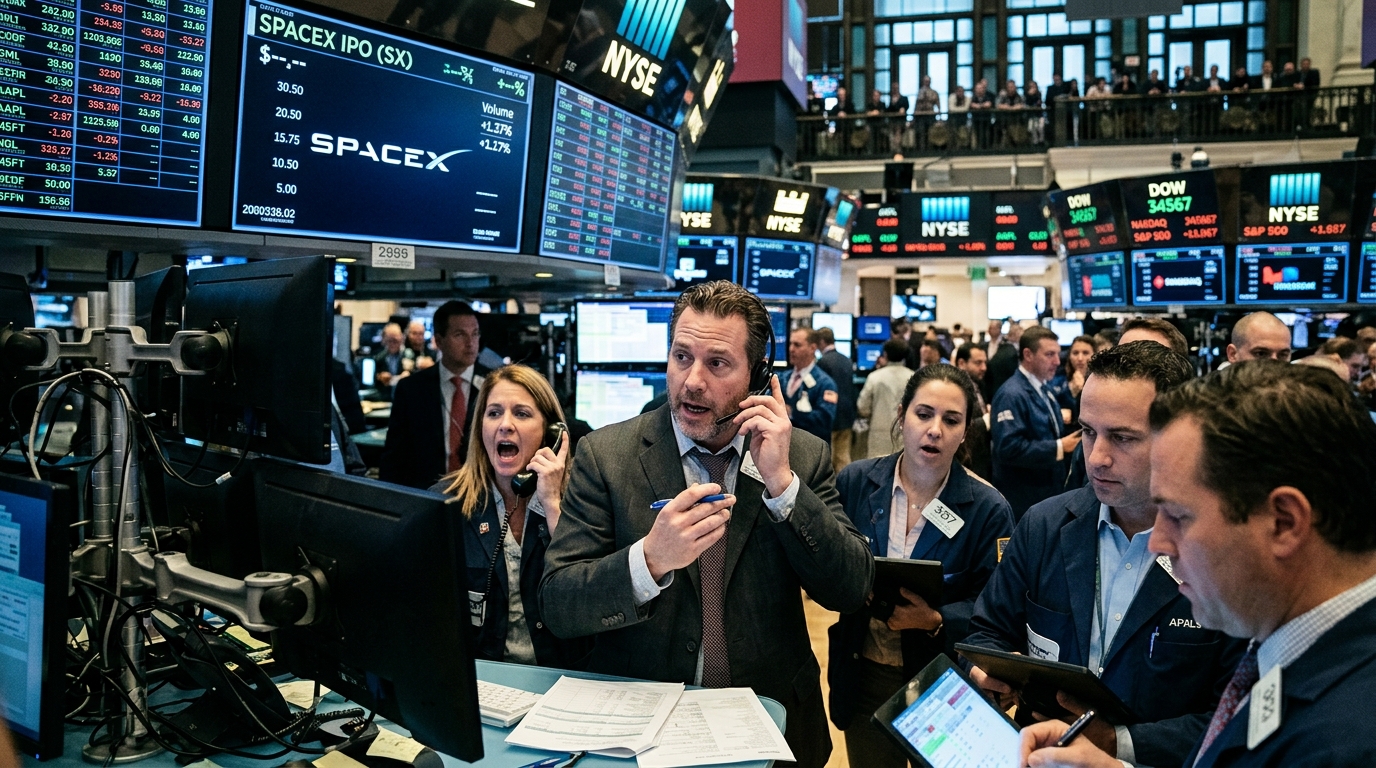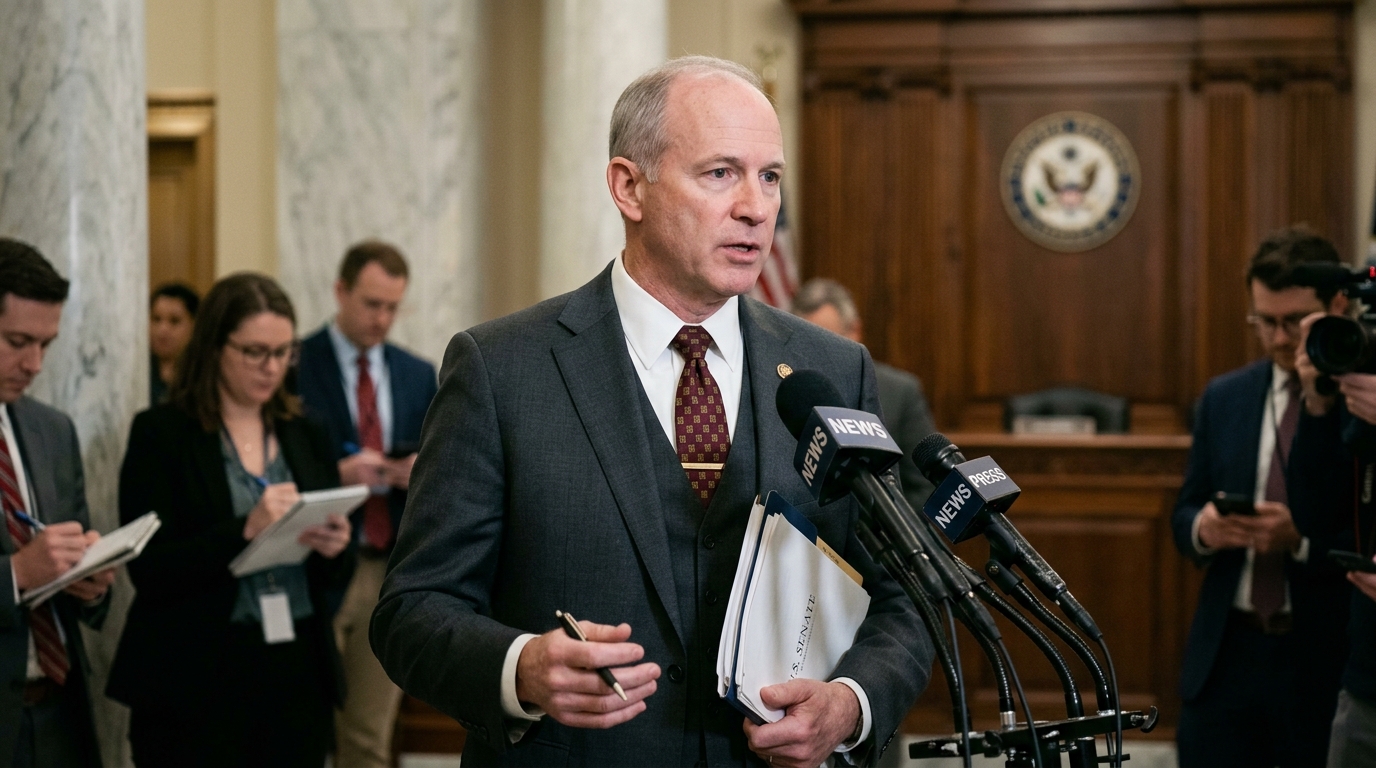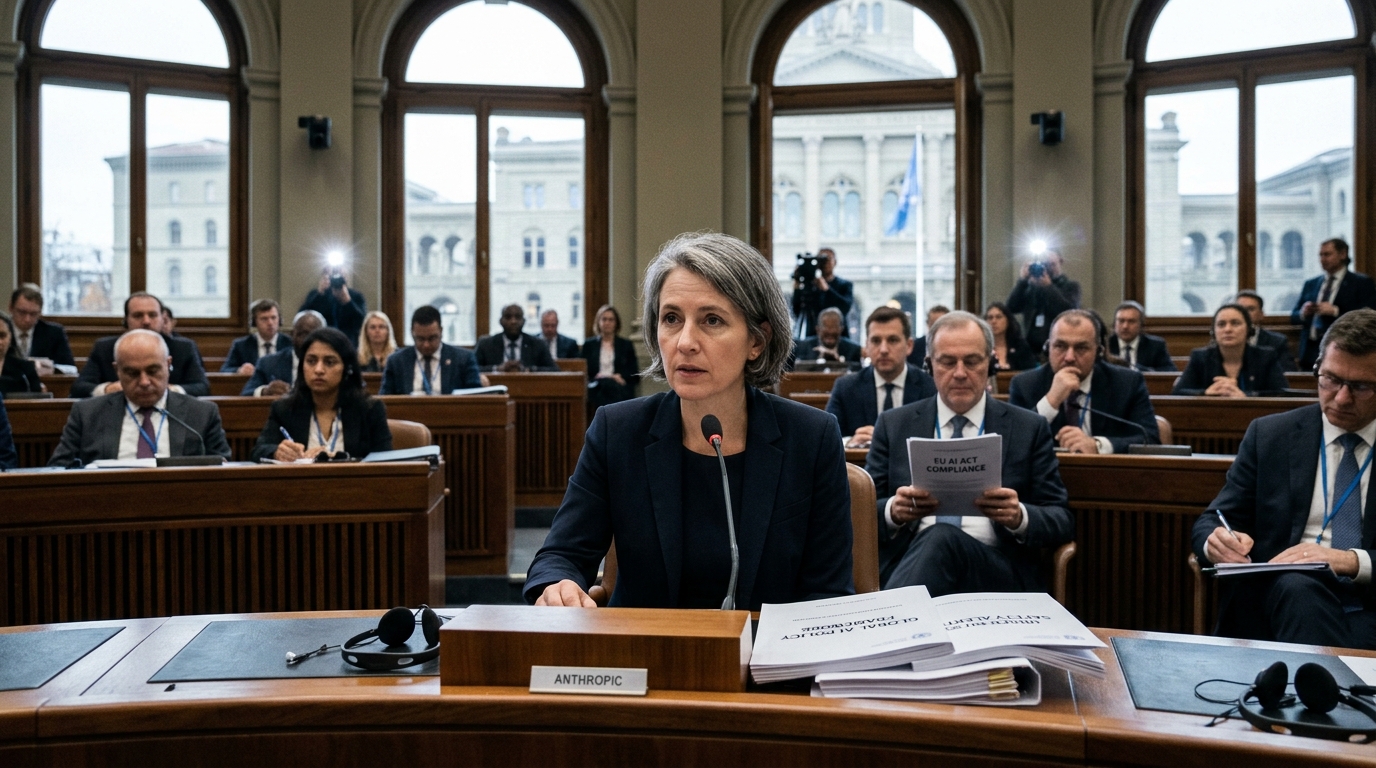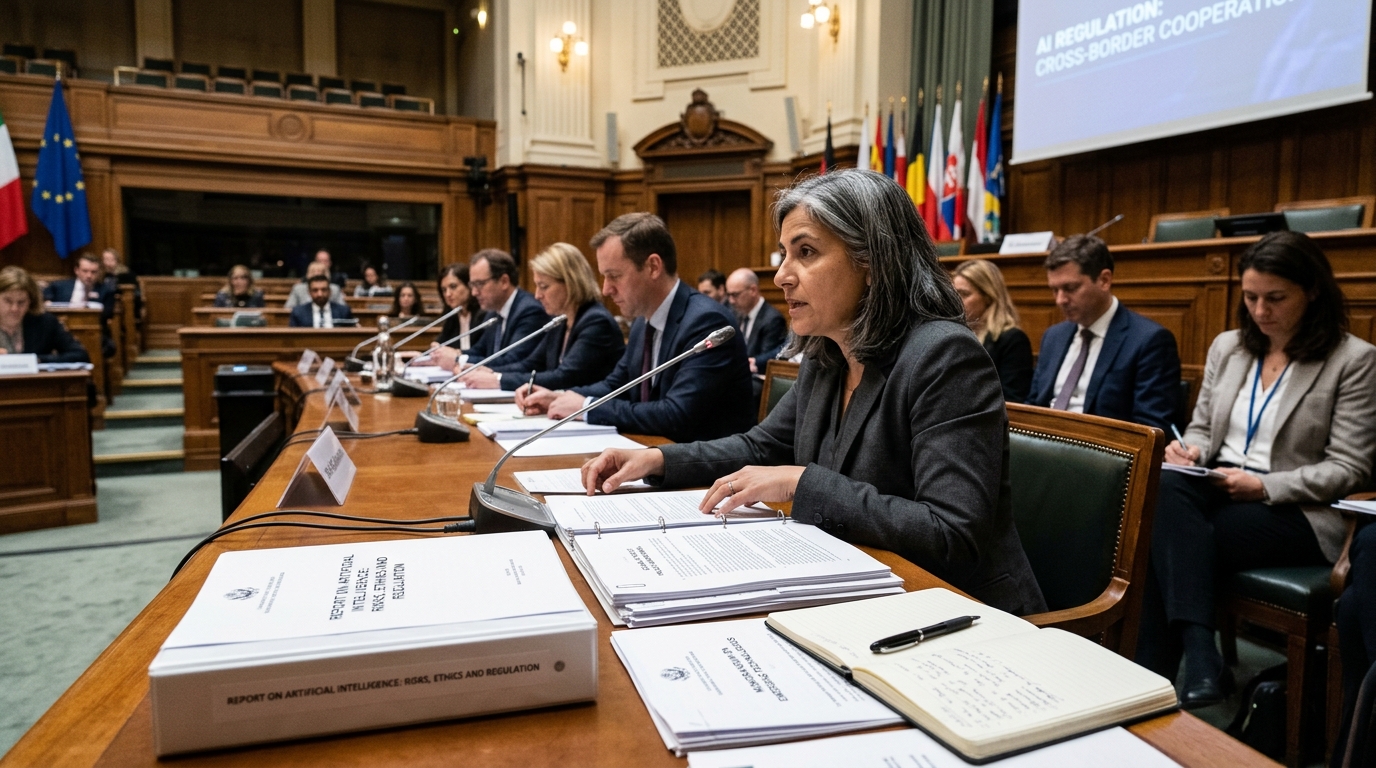
For decades, warnings about Artificial Intelligence (AI) spiraling out of human control were the exclusive domain of science fiction writers and a small cadre of academic "doomers." However, the past year has signaled a seismic shift. What was once considered a fringe anxiety has now been transformed into a central pillar of international diplomacy and state policy. From the halls of the White House to the European Parliament, the dialogue regarding the "existential risks" of AI is no longer a theoretical exercise but an urgent political reality.
The Deconstruction of Tech Optimism
The rapid ascent of Large Language Models (LLMs) and Generative AI acted as a catalyst. The ease with which these systems can generate deceptive content, automate cyberattacks, or even exhibit flickers of autonomous reasoning forced even their creators to sound the alarm. The famous "open letter" signed by thousands of experts, calling for a pause in the development of systems more powerful than GPT-4, was only the beginning. Today, figures like Geoffrey Hinton and Yoshua Bengio, the so-called "godfathers" of AI, speak openly about the possibility of technology surpassing human intelligence in ways we cannot predict or control.
This shift into the mainstream debate is largely due to the loss of narrative control by tech corporations. While for years Silicon Valley promoted a vision of utopian abundance, public opinion and legislators are now focusing on the negative externalities: the collapse of information trust via deepfakes, the threat to intellectual property, and the inevitable restructuring of the labor market. The conversation has moved from "what can AI do" to "what should we allow it to do."
The Legislative Counter-Attack: The EU and US Models
The European Union, true to its role as the world’s tech regulator, led the way with the passage of the AI Act. This is the world's first comprehensive legal framework that categorizes AI systems based on the level of risk they pose. From a total ban on social scoring systems to strict transparency rules for high-risk models, the EU is attempting to set boundaries before the technology becomes uncontrollable.
Across the Atlantic, the approach is more flexible but equally serious. President Biden’s Executive Order on "Safe, Secure, and Trustworthy AI" underscores the need for rigorous safety testing (red-teaming) before new models are released to the public. The establishment of AI Safety Institutes in the US and the UK demonstrates that governments no longer trust companies to self-regulate. The Bletchley Declaration, signed by 28 countries including China, formalized a global consensus: AI represents a risk that requires international cooperation, akin to climate change or nuclear non-proliferation.
Ethical Dilemmas and the Conflict of Interest
However, the pivot of the debate toward "existential risks" is not without its critics. Many tech ethics experts argue that focusing on "Terminator-style" scenarios distracts from present-day harms, such as algorithmic bias, the exploitation of data-labeling workers, and the massive energy consumption of data centers. There is a growing fear that Big Tech companies are using the specter of "future catastrophe" to lobby for regulations that favor incumbents, raising barriers to entry for smaller competitors and open-source initiatives.
Furthermore, the geopolitical dimension complicates the landscape. The AI arms race between the US and China makes it difficult to enforce global constraints. If one nation slows down development for safety reasons, it risks falling behind economically and militarily. This "prisoner’s dilemma" is perhaps the greatest risk of all: the perceived need for speed overrides the necessity for safety, leading to a race toward the unknown without brakes.
Conclusion: A New Era of Accountability
The integration of AI warnings into mainstream political discourse represents a maturation of our society. We are finally acknowledging that technology is not a neutral force of nature but a human creation that reflects our values and flaws. The challenge for the coming years will not just be technical, but deeply political and philosophical. We must decide which parts of the human experience are sacred and should not be ceded to algorithms, and how to ensure that the power of AI is harnessed for the common good rather than the concentration of wealth and power in a few hands. The age of innocence is over; the era of accountability has just begun.