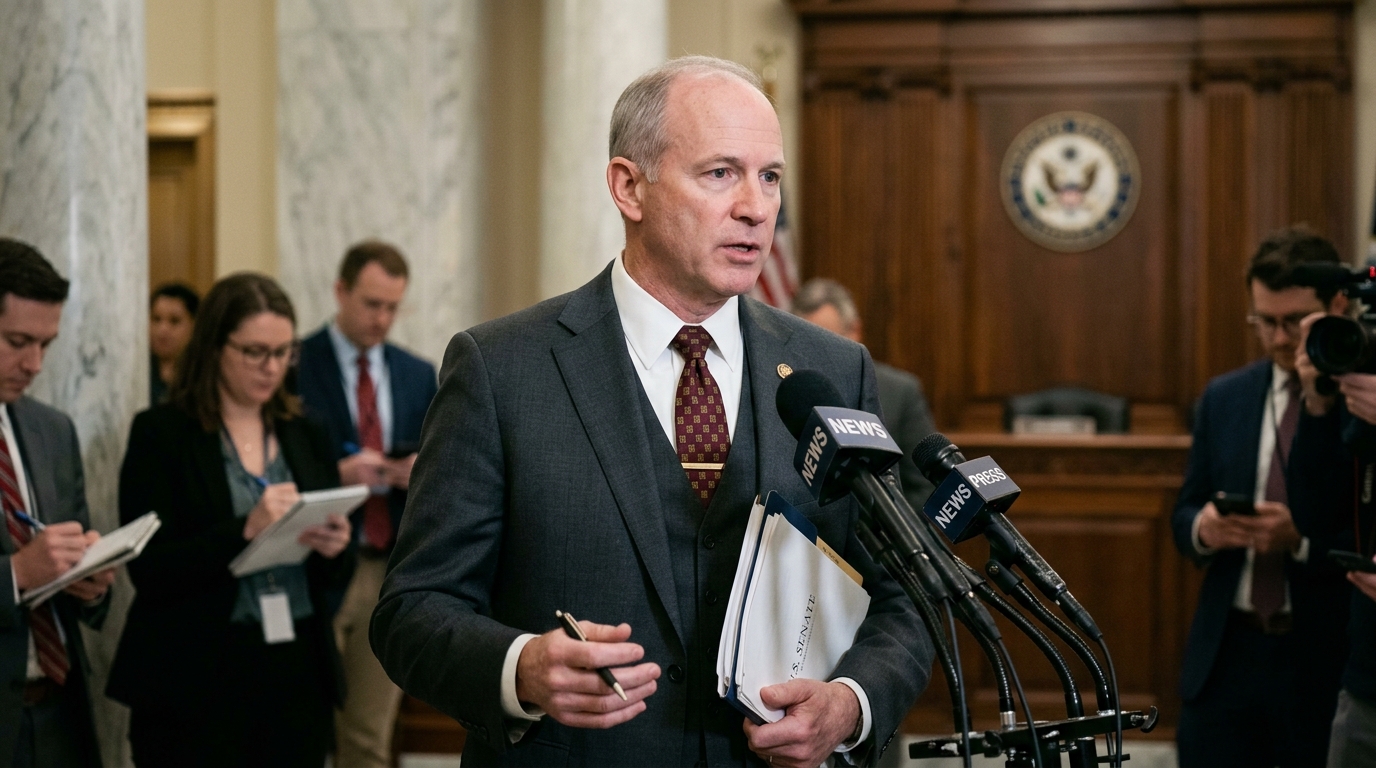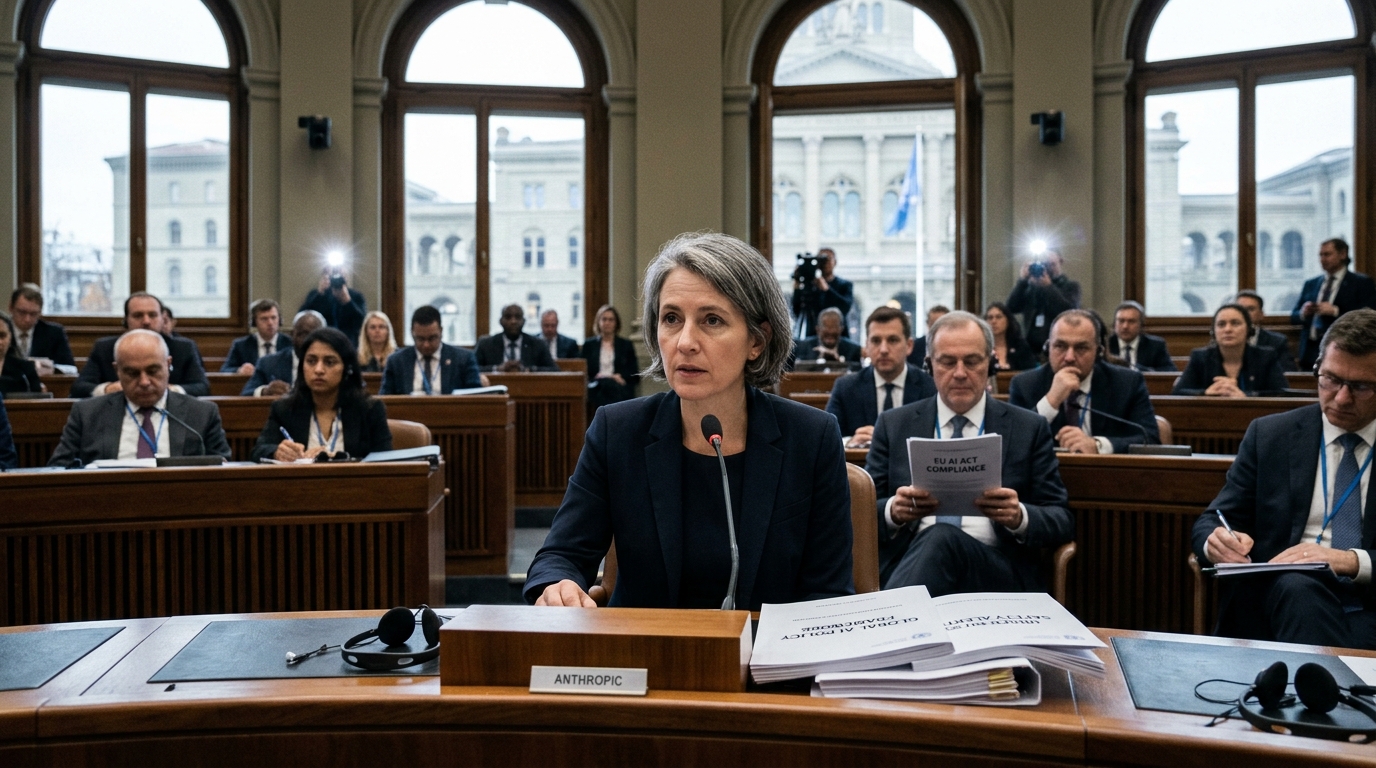
In a watershed moment for the future of technological governance, an ambitious bill aimed at imposing rigorous safety standards on the world’s most powerful Artificial Intelligence (AI) systems has cleared a significant legislative hurdle. This move signals the beginning of the end for the "Wild West" era of AI development, as lawmakers race to preempt catastrophic scenarios before the technology outpaces human intervention.
The Anatomy of Regulation: Targeting Frontier Models
The bill, which has ignited fierce debates across Washington and Silicon Valley boardrooms, does not target mundane AI applications like chatbots or recommendation engines. Instead, it focuses exclusively on "frontier models"—systems trained with massive computational power, typically costing upwards of $100 million, and possessing capabilities that could theoretically be weaponized for biological warfare or large-scale cyberattacks.
Key provisions include a mandate for developers to conduct exhaustive safety testing before releasing their models to the public. Furthermore, the legislation introduces the concept of a "kill switch," a mechanism allowing for the immediate deactivation of a system should it exhibit dangerous or uncontrollable behavior. For safety advocates, these safeguards are not merely bureaucratic hurdles but essential requirements for the preservation of social stability.
"We cannot afford to wait for a disaster to occur before we act. The history of technology teaches us that regulation must precede risk, not follow it," stated one of the bill’s primary sponsors.
A Clash of Ideologies: Innovation vs. Safety
Despite its intentions, the bill faces a formidable wall of opposition. Tech giants and prominent venture capitalists argue that the proposed rules will stifle innovation and hand a competitive advantage to geopolitical rivals, most notably China. Their argument is straightforward: if American firms are burdened with prohibitive compliance costs and legal liabilities, the epicenter of AI development will simply shift to regions with more permissive regulatory environments.
There is also deep-seated concern within the open-source community. Critics argue that holding model developers liable for how third parties use their code could effectively kill open-source AI research. "If you are legally responsible for every potential misuse of your code by a stranger, you simply won't share your code," industry analysts warn. This tension highlights a fundamental disagreement over whether AI safety is best achieved through transparency or through centralized control.
Beyond the First Step: The Future of Governance
While the bill is hailed as a landmark achievement, safety proponents emphasize that it is merely the first chapter in a long-term regulatory saga. AI technology is evolving at an exponential rate, and laws drafted today could be obsolete within twenty-four months. The challenge for legislators is to create a framework that is both robust enough to prevent harm and flexible enough to accommodate rapid progress.
The international community is watching closely. Following the European Union's AI Act, this legislative push in the United States suggests a global convergence toward the necessity of oversight. However, the nuance lies in the application. While the EU focuses heavily on user rights and data protection, current U.S. efforts appear more focused on preventing existential risks and ensuring national security.
- Mandatory safety audits for models exceeding $100M in training costs.
- Implementation of "kill switch" protocols for emergency shutdowns.
- Strict penalties for corporations that neglect safety compliance.
- Whistleblower protections for employees reporting internal safety risks.
In conclusion, the advancement of this bill is a profound statement of intent. Humanity is attempting to harness the most powerful technology it has ever created, balancing the promise of a new digital renaissance against the fear of an uncontrollable force. Whether this "first step" leads to a safer world or a stifling bureaucratic maze remains the defining question of our era.