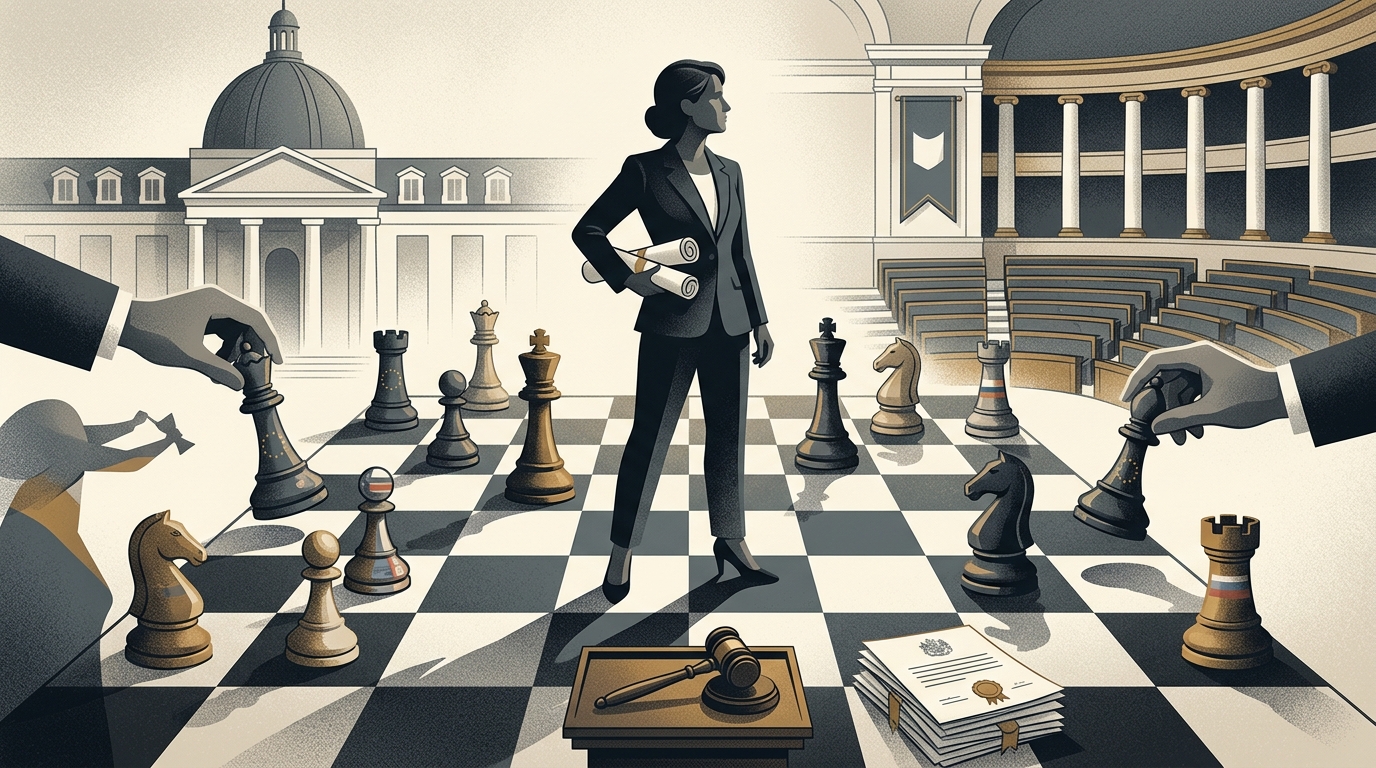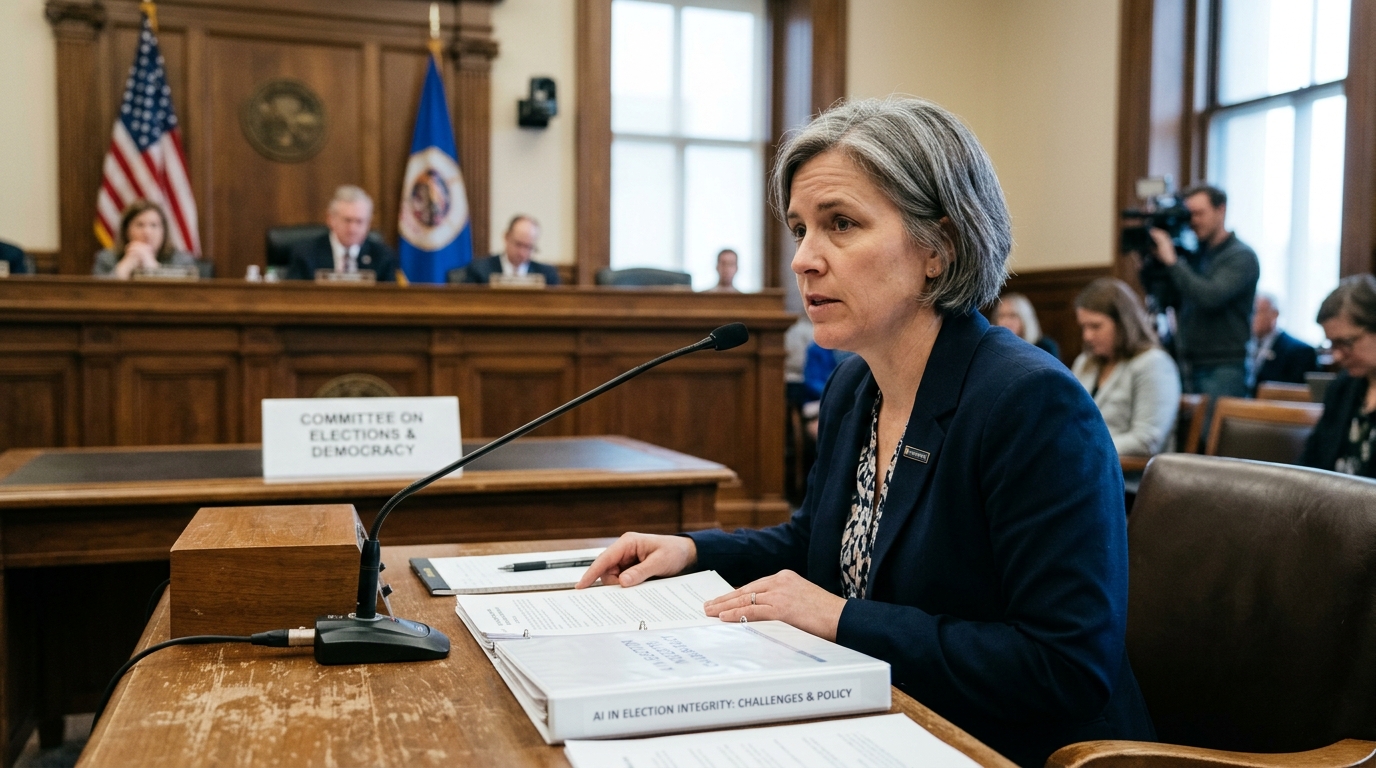
As we move through the summer of 2026, Minnesota's political landscape is facing an unprecedented challenge that transcends traditional partisan divides. The integration of Artificial Intelligence (AI) into election campaigns is no longer a science fiction scenario but a daily reality reshaping how candidates communicate, how voters stay informed, and how democracy functions. Minnesota, a pioneer in adopting anti-deepfake legislation, is now under the microscope as new technologies test the limits of law and ethics.
The Era of Digital Deception
The primary issue concerning authorities and analysts in Minnesota is the ease with which content can now be produced that looks perfectly real but is entirely fabricated. Deepfakes—video or audio clips that use AI to show someone saying or doing something that never happened—have evolved to the point where distinguishing them from reality is nearly impossible for the average citizen. In the political arena, this translates into fake candidate statements, forged celebrity endorsements, or even manufactured scandals circulating on social media hours before the polls open.
Minnesota had already taken action as early as 2023, enacting laws that criminalize the use of deepfakes to influence election outcomes. However, 2026 brings new complications. The speed of producing this content through Generative AI makes law enforcement a constant race against time. Prosecutors and election officials warn that by the time a false video is identified and removed, the damage to a candidate's image may be irreversible.
Legislative Defense and the Thin Line of Free Speech
Minnesota's legislation is considered among the strictest in the United States, prohibiting the distribution of deepfakes within 90 days of an election unless there is a clear label stating the content is manipulated. Nevertheless, the enforcement of these rules raises serious questions regarding the First Amendment of the US Constitution. Free speech advocates argue that satire and political criticism often use exaggeration that could be mistakenly categorized as malicious misinformation.
Furthermore, the use of AI is not limited to deception. Many campaigns use the technology for legitimate purposes, such as analyzing vast amounts of voter data to personalize messaging or automating communication via chatbots. The question arises: where does "smart strategy" end and "manipulation" begin? The lack of federal standards forces states like Minnesota to experiment with their own rules, creating a patchwork of regulations that often confuses national campaigns.
Micro-targeting and the Erosion of Shared Truth
Another concerning aspect is AI's ability to create thousands of different versions of a message, tailored to the specific fears or desires of small groups of voters. This hyper-personalization means that voters are no longer participating in a shared public discourse. Instead, everyone lives in their own "information bubble," where AI serves them exactly what they want to hear, often distorting opponents' positions in ways that are difficult for independent fact-checkers to monitor.
"Democracy is based on the premise that we can disagree on ideas, but we agree on facts. AI threatens to destroy that foundation," says a political science professor from the University of Minnesota.
Campaigns in Minnesota in 2026 are now required to invest not only in advertisements but also in cybersecurity and content verification tools. The need for "digital hygiene" on the part of citizens is more urgent than ever. State authorities have launched awareness campaigns, urging voters to be suspicious of content that triggers intense emotions and to seek multiple sources of confirmation.
Conclusion: The Future of Elections
The case of Minnesota serves as a "canary in the coal mine" for the future of electoral processes worldwide. Technology is evolving faster than bureaucracy and legislation. While AI offers tools for more efficient communication, the risk to our collective trust in institutions is immense. The success or failure of the measures being taken today in Minnesota will largely determine whether artificial intelligence will become the tool that democratizes information or the weapon that decomposes the social fabric.