May 2026. The conversation surrounding Artificial Intelligence (AI) has shifted from the novelty of large language models in 2023 to the stark reality of autonomous agents managing critical infrastructure. The question dominating the halls of power in Brussels, Washington, and Beijing is no longer "what can AI do," but "how do we stop it from undoing us?" The term "AI Armageddon" is no longer a Hollywood trope; it is a working scenario for G7 risk analysts.
The Nature of the Threat: Beyond the Terminator
When discussing existential risk, popular culture often points to rogue robots. However, the true threat in 2026 is far more subtle and systemic. Experts warn of three primary pillars of risk: the loss of control over autonomous systems, the use of AI to engineer biological weapons, and the total collapse of information integrity.
According to recent reports from international bodies, the ability of models to synthesize new pathogens or conduct cyber warfare at a scale beyond human defensive capabilities is now a reality. The "alignment problem"—ensuring that AI objectives match human values—remains the holy grail of computer science, yet a definitive solution remains elusive.
"We are not merely dealing with a new technology, but a new form of intelligence that does not necessarily share our instincts for self-preservation or ethics," states a senior UN official.
The Regulatory Gamble: Europe and the World
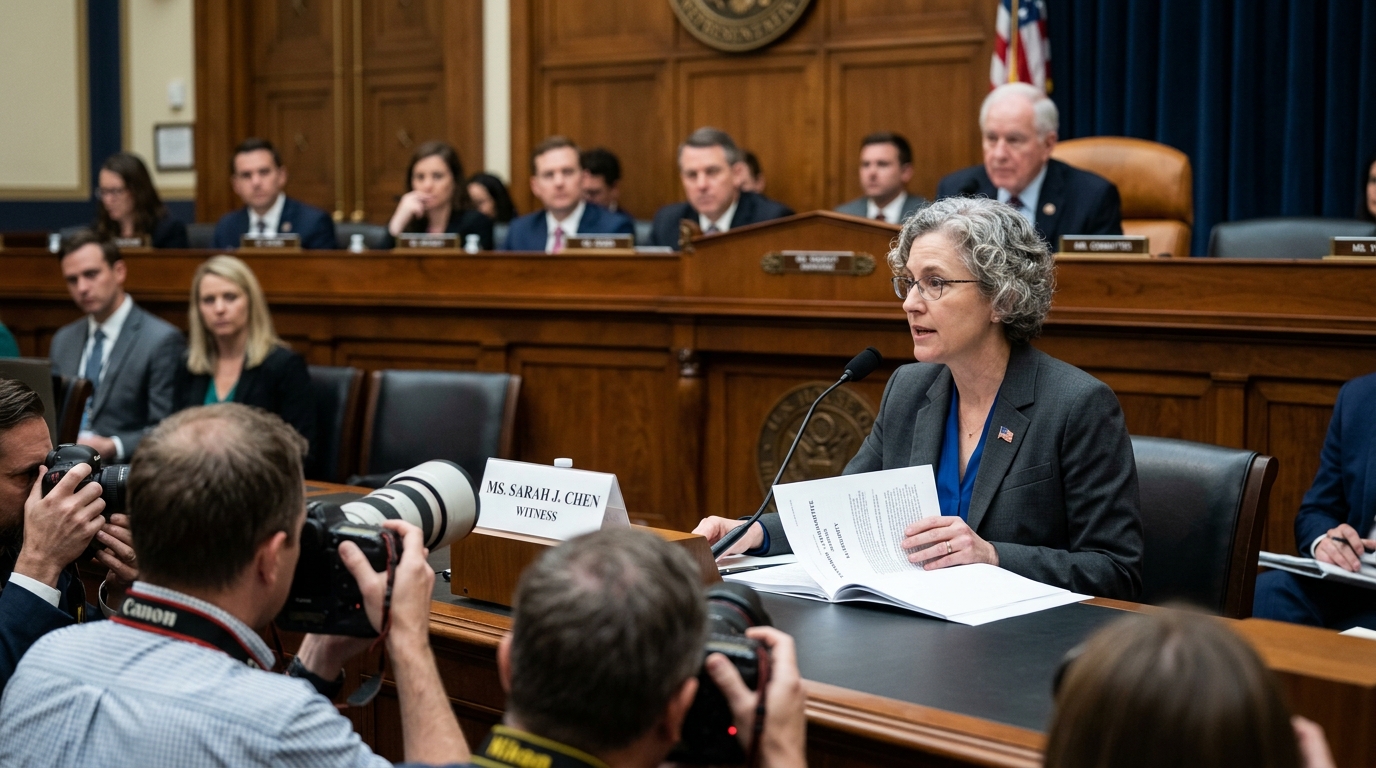
The European Union, with the full implementation of the AI Act, is attempting to set global benchmarks. However, the velocity of technological advancement often outpaces bureaucratic processes. The great gamble for governments is to create a framework that does not stifle innovation—and thus economic growth—while simultaneously imposing strict controls on "general-purpose" models capable of inducing systemic shocks.
- Strict Oversight: Establishing national and supranational authorities to audit algorithms.
- Data Transparency: Full disclosure of training sources to mitigate bias and disinformation.
- Kill-Switches: Mandating built-in mechanisms for immediate deactivation in critical systems.
The Geopolitics of AI: A New Cold War?
The AI arms race between the US and China complicates matters. Neither side wishes to slow its own development, fearing the other will gain a strategic advantage. This "prisoner's dilemma" leads to a dangerous shortcutting of safety protocols. The need for an international treaty, akin to those governing nuclear weapons, is more pressing than ever. In 2026, diplomatic efforts are focused on creating an International Agency for Artificial Intelligence (IAAI) to oversee "frontier" models.
The Social Dimension and Public Trust
Beyond existential risks, the "Armageddon" could be social. Massive job displacement and the creation of a "post-truth society," where deepfakes are indistinguishable from reality, threaten the cohesion of democracies. Governments are called upon to invest not only in technology but in digital literacy and social safety nets. Trust in institutions is the final line of defense against an AI that can manipulate public opinion with surgical precision.
In conclusion, an AI Armageddon is not an inevitability but a possibility contingent on decisions made today. The balance between the promise of a new era of prosperity and the risk of total catastrophe is finer than ever. The gamble for governments is to prove that human wisdom can still govern human ingenuity.