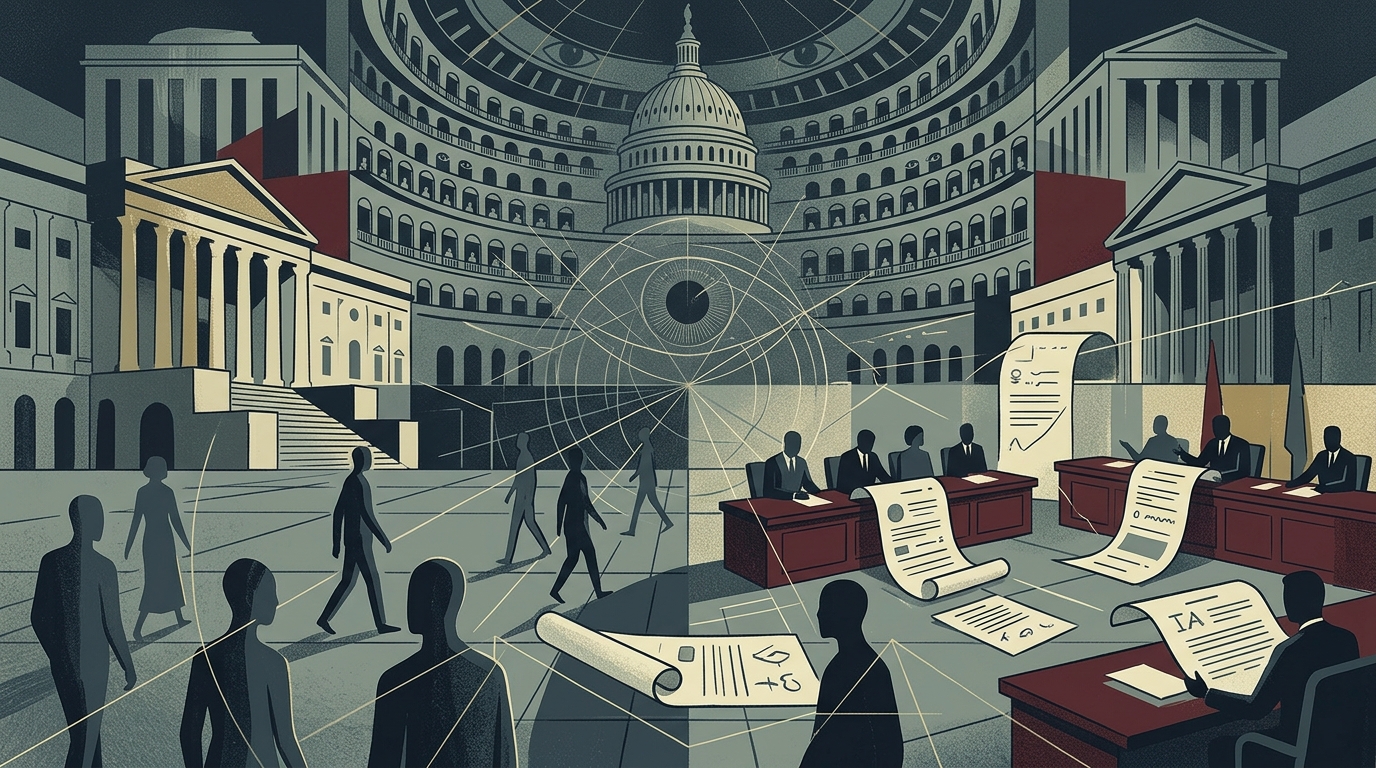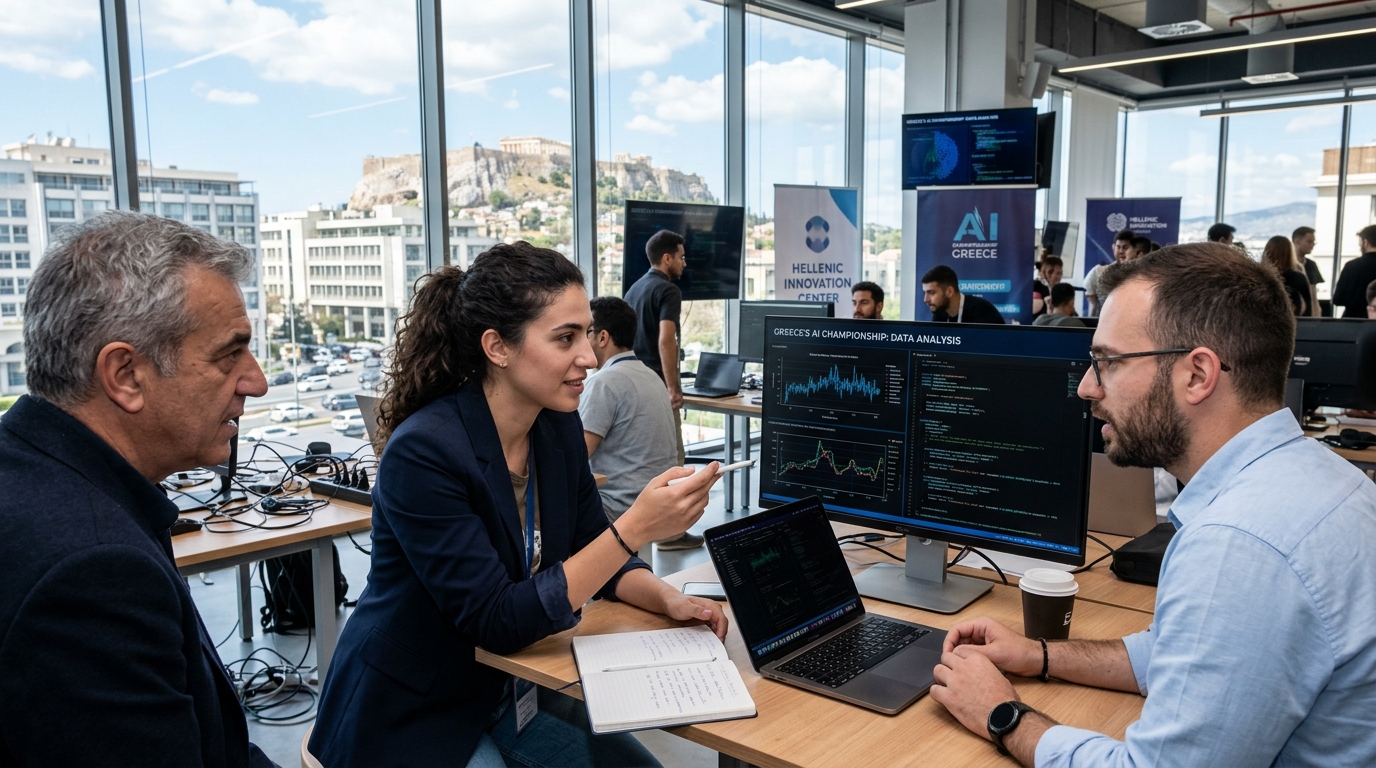
For years, the public discourse surrounding the future of work has focused on an almost existential fear: that Artificial Intelligence (AI) will replace humans, leaving younger generations with nothing to do. However, as we move through 2026, a new and more complex reality is emerging. According to recent analyses and data, the real culprit behind the slowdown in youth integration into the labor market may not be algorithms, but the very structure of modern remote work.
The shift to work-from-home models, which was violently accelerated in the previous decade, has created a "mentorship gap" that disproportionately affects workers just starting their careers. Traditional "learning by osmosis"—the ability of a junior employee to observe how a senior colleague handles a crisis, negotiates, or structures their thinking in the office—has almost vanished within digital communication platforms.
The End of Professional Apprenticeship
Work is not just about completing tasks; it is a social process. For a young person entering the job market, the office has always functioned as an informal university. Remote work, despite its undeniable benefits for work-life balance for older employees, has turned work into a series of isolated tasks. Young workers find themselves trapped behind a screen, deprived of the social capital built in informal hallway conversations or over a coffee break.
This isolation has serious implications for their psychology and professional confidence. Without immediate feedback and the physical presence of a mentor, young people are slow to develop the so-called "soft skills" necessary for their advancement. The result is a generation that may be technically proficient but struggles to navigate corporate culture and the interpersonal challenges of the professional environment.
The Corporate Preference for "Plug-and-Play" Workers
Another facet of the problem is the shift in recruitment strategies. In a fully remote environment, companies tend to avoid hiring juniors. The reason is simple: training a newcomer remotely is extremely costly in terms of time and resources. It is much easier for a manager to hire an experienced professional who already knows how to operate autonomously than to invest in someone who needs constant guidance.
This trend creates a vicious cycle. Young people don't find jobs because they lack experience, and they can't gain experience because the remote work system favors those who are already established. In countries like Greece, where youth unemployment rates remain historically high, this phenomenon takes on alarming proportions, as young scientists are driven into underemployment or brain drain, only to face the same structural issues abroad.
AI as the Convenient Scapegoat
It is convenient to blame AI for unemployment. Technology is an impersonal enemy. However, AI could actually serve as an assistant for the youth, taking over repetitive tasks and allowing them to focus on creativity. The problem isn't that AI is taking the jobs, but that remote work is destroying the bridges that lead to those jobs.
The lack of visibility for young people within organizations also leads to reduced promotion opportunities. When decisions about career progression are made behind closed doors (or in closed Zoom meetings), those who are less "visible"—typically the younger ones who haven't had time to build strong relationships with management—are left behind. Remote work has created a new form of professional hierarchy, where physical absence translates into stagnation.
Finding the Middle Ground
The solution is not a complete return to the past. Flexibility is a hard-won right. However, companies must rethink their models, prioritizing hybrid work especially for the early years of an employee's career. Creating structured apprenticeship programs and investing in physical collaboration spaces are essential prerequisites for not losing an entire generation.
In conclusion, the challenge of youth unemployment in 2026 requires a deeper analysis than simple technophobia. We must ask ourselves if the comfort of our homes is costing our children's future. Work is a human connection, and no screen, no matter how high-definition, can replace the value of human contact in shaping professional character.