Western Macedonia, the region that for decades served as Greece's energy heartland, is currently at the center of a historic transition. As the chimneys of lignite power plants gradually go silent, a new form of energy—that of processing power and data—is stepping in to take their place. The region's strategic decision to "bet" on Artificial Intelligence (AI) and supercomputing infrastructure is not merely a technological upgrade; it is a fight for survival and a redefinition of the local economy within the framework of the Just Transition.
From "Black Gold" to Bits: The New Productive Model
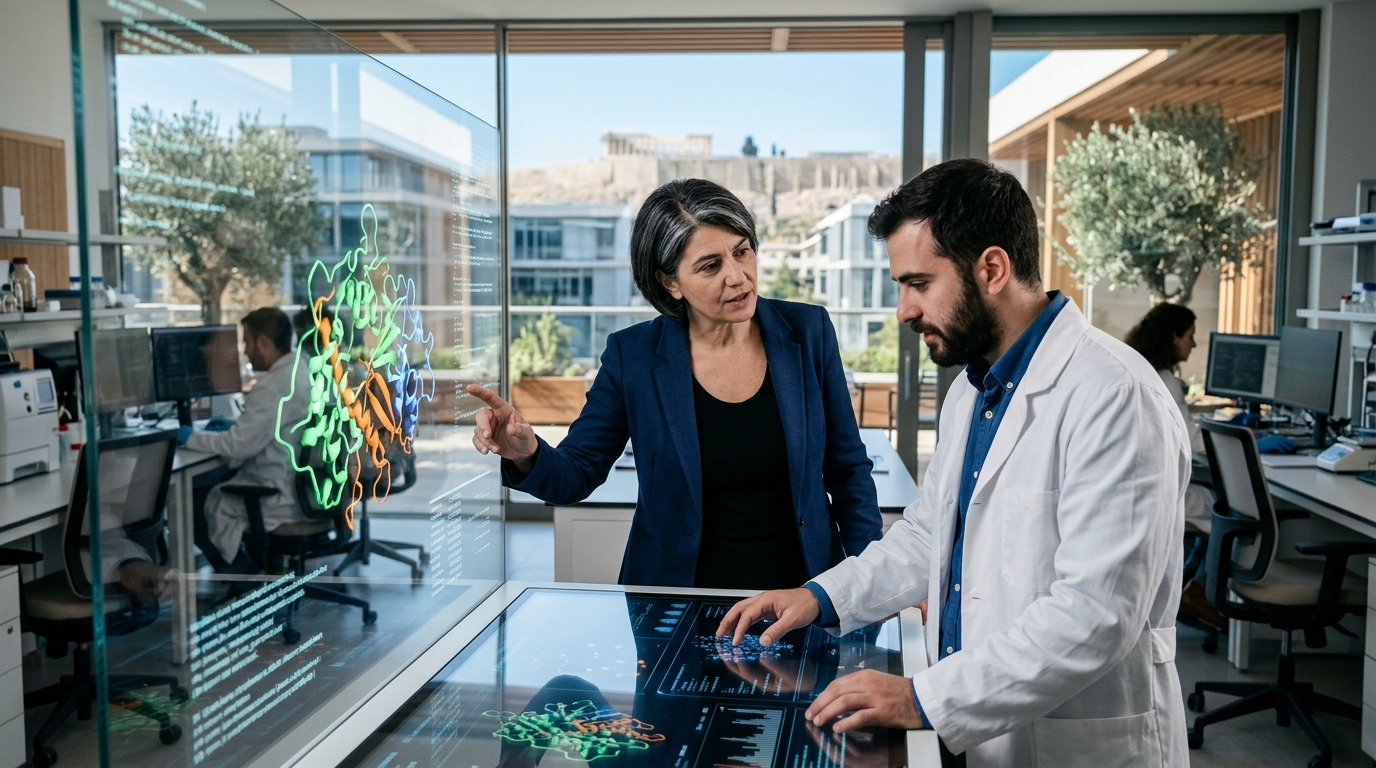
The phase-out of lignite left a massive economic and social vacuum. To fill this gap, the Region of Western Macedonia, in collaboration with the central government and the University of Western Macedonia (UoWM), is promoting the creation of an innovation ecosystem. Central to this strategy is the installation of high-tech infrastructure capable of hosting AI applications, offering solutions ranging from smart agriculture to advanced energy management.
The University of Western Macedonia is emerging as a critical player. The new campus at the ZEP area in Kozani has been designed to serve as a hub of digital excellence. By integrating supercomputing laboratories and attracting research programs, the region aims to transform into a "Digital Pole" that will attract not only scientists but also technology companies seeking infrastructure and specialized personnel.
The "Daedalus" Supercomputer and Regional Connectivity
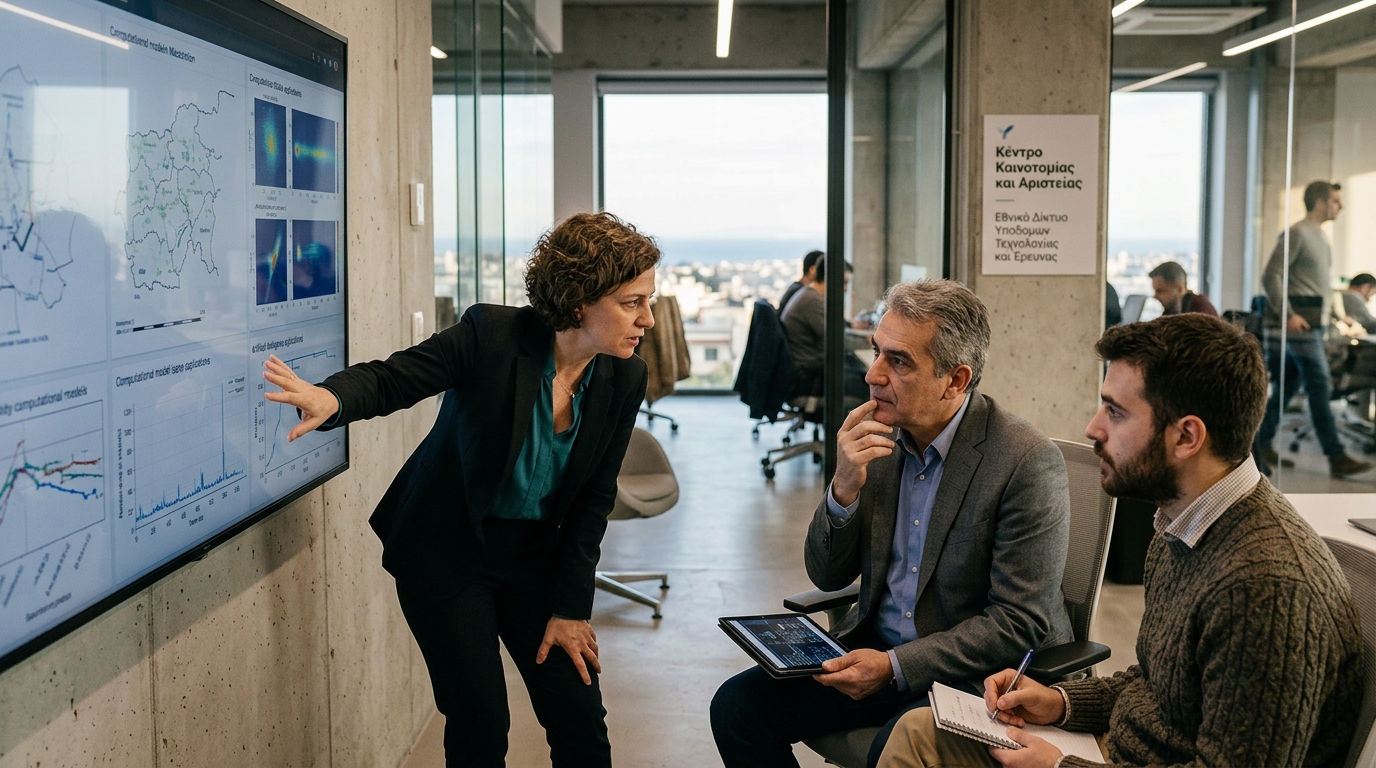
While the national supercomputer "Daedalus" will be installed in Lavrion, Western Macedonia is pursuing the creation of regional nodes and specialized data centers that will function complementarily. The goal is to establish a "digital highway" allowing for rapid data processing tailored to local needs. For instance, using AI to monitor environmental indicators in former mining areas is a field where technology can provide immediate, tangible results.
"The transition from an extraction-based economy to a knowledge-based economy is not an option; it is a necessity. Western Macedonia has the human capital, and it is now acquiring the tools to lead in the 4th Industrial Revolution," local government officials state.
Challenges: Infrastructure, Funding, and Brain Regain
Despite the ambitious announcements, the path is not without obstacles. Implementing such projects requires significant capital, primarily sourced from the Recovery and Resilience Facility (RRF) and the Just Transition Fund. However, the greatest challenge remains staffing. The region has been hit hard by brain drain over the past decade.
- Strengthening partnerships between the academic community and industry.
- Creating incentives for startups to establish themselves in Kozani and Ptolemaida.
- Expanding 5G and fiber optic networks across the region to support data centers.
- Reskilling the local workforce in digital competencies.
The success of this venture will be judged by the speed of fund absorption and the region's ability to offer an attractive living and working environment for young scientists. Artificial Intelligence is more than just an algorithm; for Western Macedonia, it is the promise of a future beyond lignite, where innovation generates the wealth that the earth once provided.