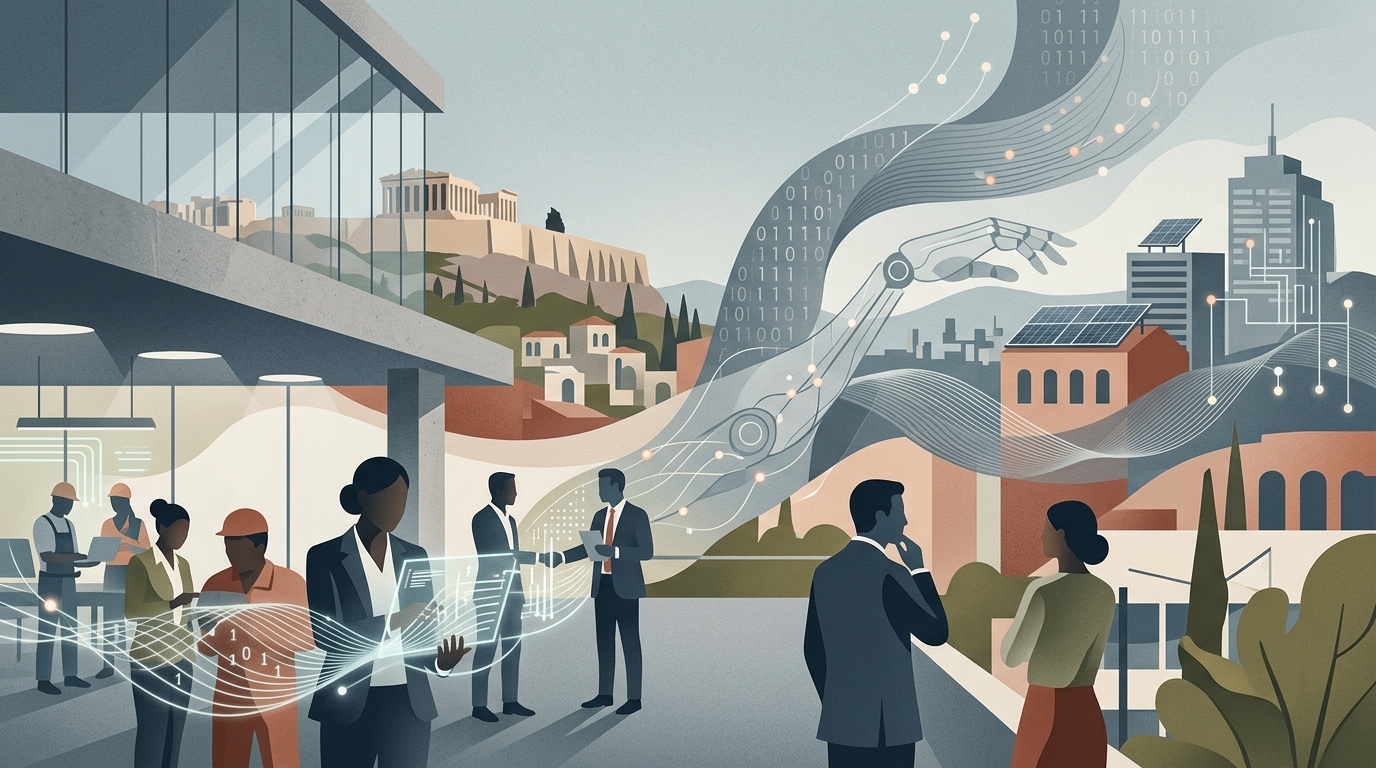
In a period where the global economy balances between the promise of unlimited growth and the fear of mass human replacement, the recent statements by Theodoros Skylakakis have stirred the waters of the Greek political scene. The Minister, known for his technocratic approach and ability to discern long-term trends, has pointed to the heart of the matter: Artificial Intelligence (AI) is no longer a science fiction scenario, but an existential challenge for Greece's social and economic model leading up to 2030.
The Structural Threat to the Greek Labor Market
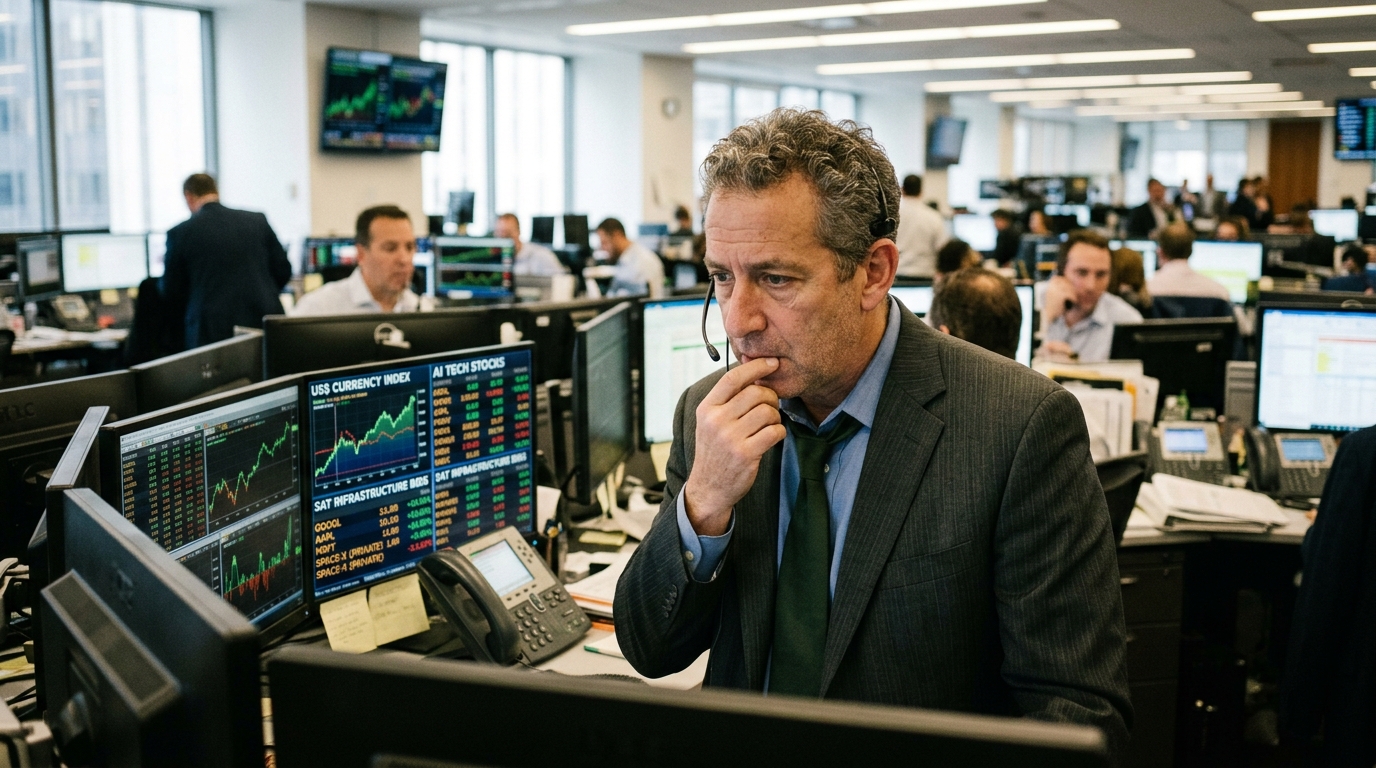
Mr. Skylakakis's concern is not focused solely on the loss of low-skilled jobs, but primarily on the "digital erosion" of the middle class. In Greece, where the economy relies heavily on services, tourism, and small-to-medium enterprises (SMEs), the invasion of Large Language Models (LLMs) and automated decision-making systems could prove catalytic. According to the Minister's analysis, the traditional notion that education is a lifelong asset is collapsing, as skills acquired today may be obsolete in less than five years.
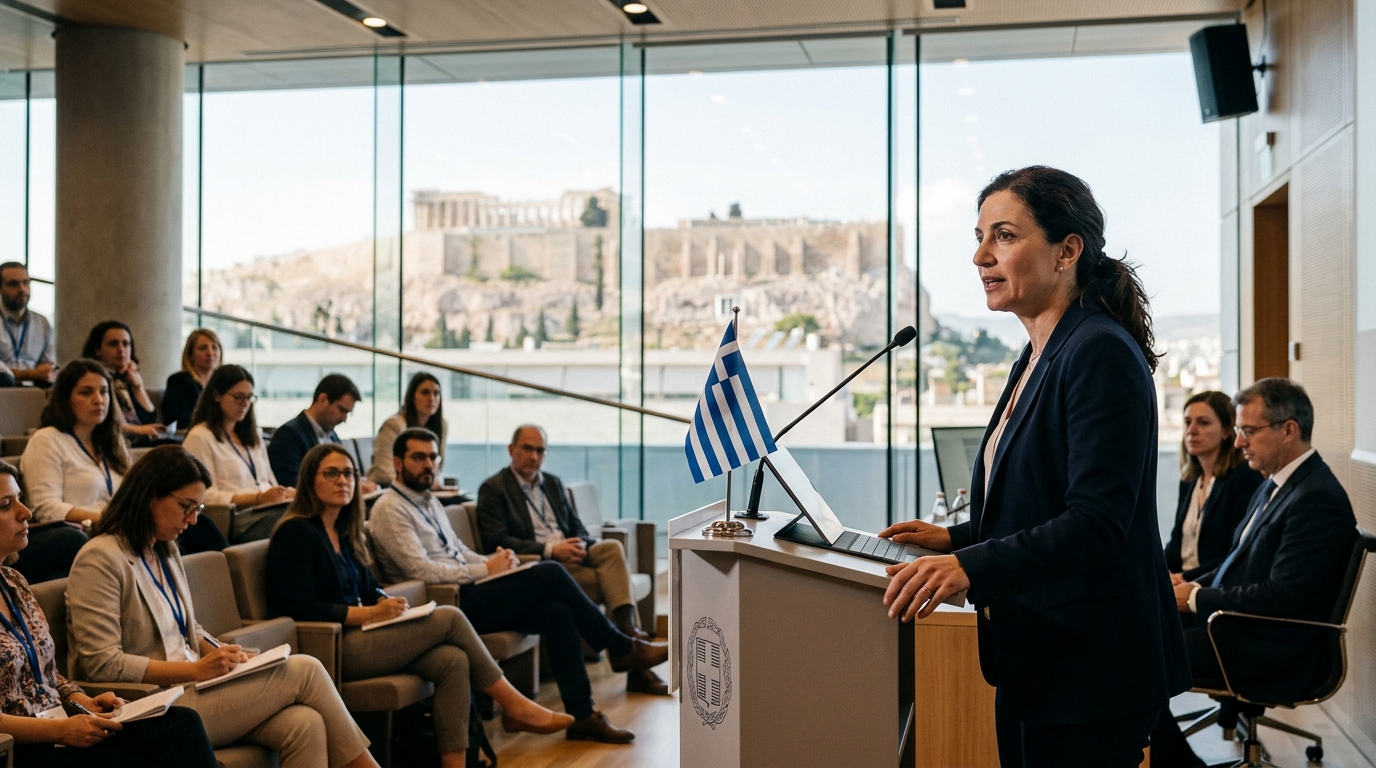
Skylakakis emphasized that Greece is at a critical crossroads. While the country is trying to bridge the investment gap of the past decade, AI is changing the rules of the game. "We do not have the luxury of waiting for Brussels to legislate for us," seems to be his core message. The political awakening he calls for concerns the creation of a new social contract, where the state will not be a mere observer but an active regulator and supporter in reskilling the workforce.
The 2030 Horizon and the Digital Transition
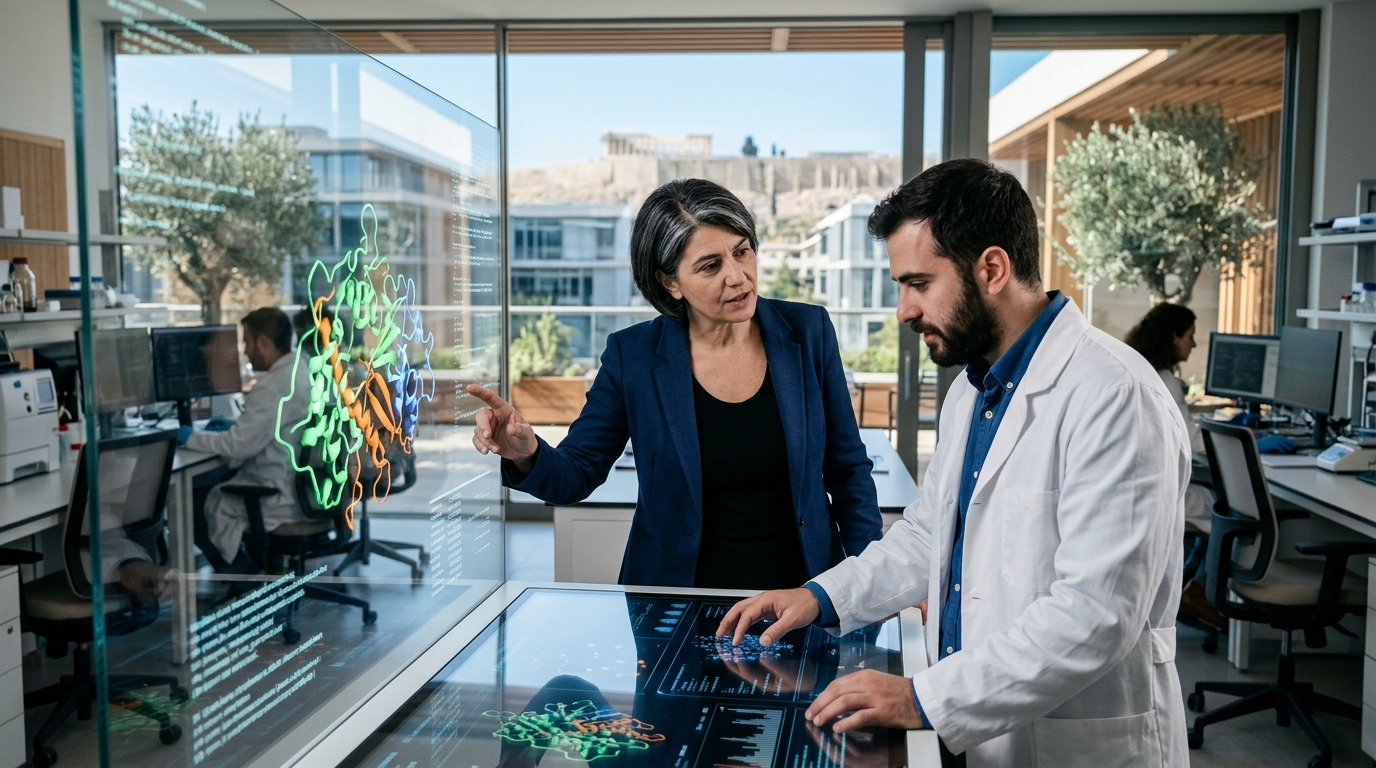
2030 may seem distant, but for public policy planning, it is "tomorrow." If the Greek economy fails to adapt, it risks falling into a state of "digital colonialism," where domestic businesses will be entirely dependent on foreign algorithms while the workforce becomes devalued. The Minister stressed the need for a radical reform in the educational system, emphasizing not just technical training, but critical thinking and creativity—skills that, for now, AI struggles to fully replicate.
- Redefining the role of universities with an emphasis on lifelong learning.
- Incentives for businesses investing in "human augmentation" rather than simple replacement.
- Creating a safety net for sectors that will be irreparably affected, such as accounting, legal support, and customer service.
The "political awakening" Skylakakis refers to also includes the difficult discussion regarding the taxation of algorithms or the redistribution of profits resulting from massive productivity gains. If AI produces wealth without human labor, how will the social security system be funded? This is the ghost-question haunting the Maximos Mansion and European decision-making centers.
The Geopolitics of Artificial Intelligence
Beyond economics, there is a geopolitical dimension. Greece, as an EU member, must position itself strategically. The Minister's warning echoes the broader European concern about lagging behind the US and China. However, for a country of Greece's size, the challenge is twofold: not to be left behind technologically, and not to sacrifice social cohesion on the altar of competitiveness.
"Artificial Intelligence is like fire: it can warm our home or burn it down. The difference lies in the political will to build firebreaks and train citizens in its use," note analysts following the Minister's positions.
In conclusion, Skylakakis's intervention is not just an observation but a call to action. The Greece of 2030 will either be a country that has integrated AI to solve chronic problems (such as bureaucracy and tax evasion) or a society deeply divided between a digital elite and an army of "redundant" people. The political awakening must begin now, before the algorithm decides for us, without us.