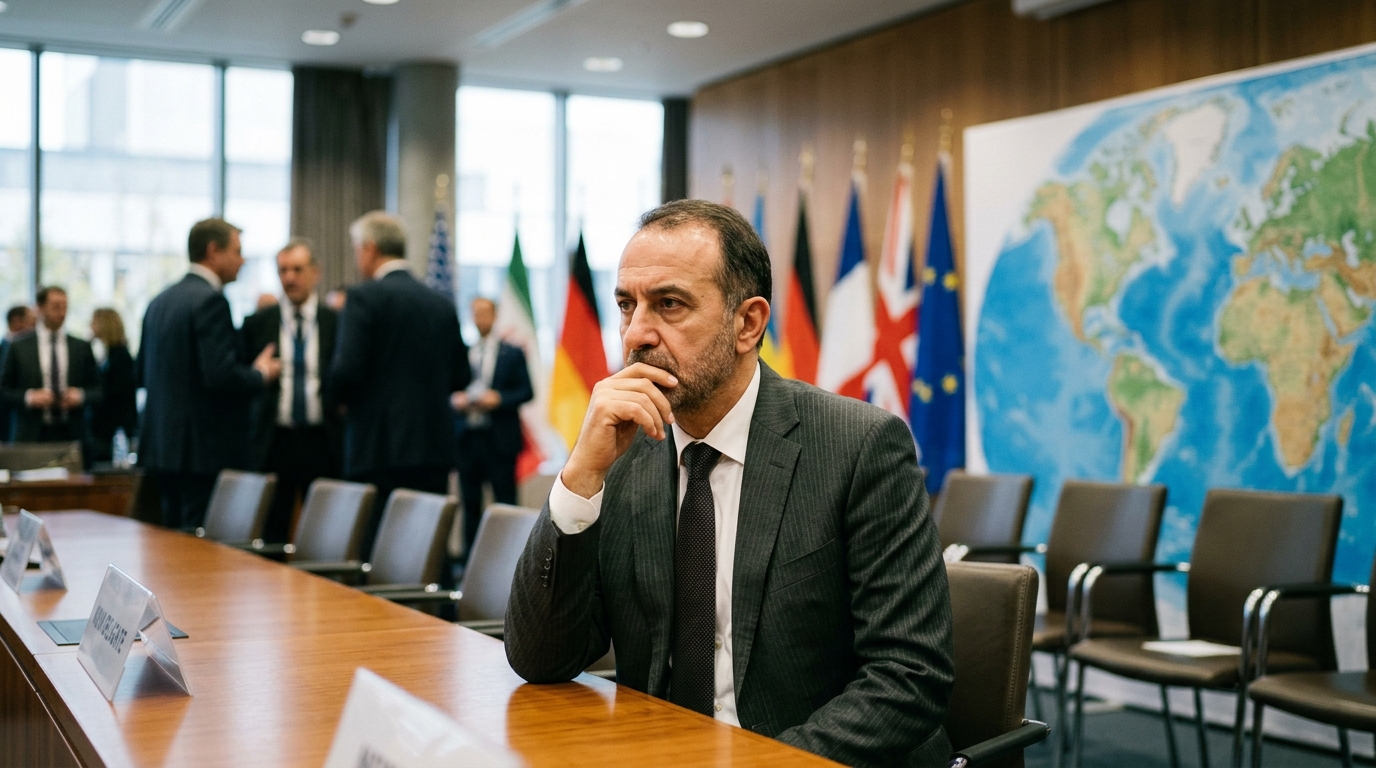
At a critical juncture for the European economy, Kyriakos Pierrakakis, Minister of National Economy and Finance and President of the Eurogroup, set the tone for the challenges facing the Eurozone during his arrival at the Finance Ministers' meeting in Brussels. Against a backdrop of ongoing cost-of-living pressures, Mr. Pierrakakis highlighted the housing issue not merely as an economic variable, but as an existential threat to the social cohesion of the Old Continent.
Housing as a 'Social Time Bomb' in the Heart of Europe
Mr. Pierrakakis' statement that "housing is a matter of social cohesion for Europe" reflects a profound shift in the Eurozone's hierarchy of priorities. For decades, housing policy was considered the exclusive competence of member states, with minimal intervention from central EU bodies. However, the explosive rise in rents and property prices across the Union has rendered the problem systemic.
According to Mr. Pierrakakis, the inability of young people and the middle class to access quality and affordable housing creates a gap that can fuel political extremism and social alienation. In Greece, the problem is even more acute, as the decade-long economic crisis restricted construction activity, while the rise of short-term rentals (Airbnb) and "Golden Visa" programs dramatically reduced the stock of available housing for permanent residents.
"We cannot talk about a competitive Europe when the largest part of our citizens' income is absorbed by housing costs," the Eurogroup President pointedly noted.
Stagflation: Trend or Reality?
One of the more technical yet essential points of the Minister's address concerned the state of the macroeconomy. Mr. Pierrakakis admitted the existence of a "stagflationary trend," while clarifying that the Eurozone is not currently in a state of stagflation. This distinction is subtle but crucial for markets and monetary policy.
Stagflation—the combination of stagnant economic activity and high inflation—is an economist's nightmare, as traditional tools (such as raising interest rates) that combat inflation tend to worsen recessions. Mr. Pierrakakis argued that despite the slowdown in growth and the persistence of certain inflationary pressures (mainly in services and energy), labor markets remain resilient and fiscal deficits are under control.
- Employment Resilience: Unemployment rates in the Eurozone remain at historic lows, preventing a full slide into stagflation.
- RRF Investments: The Recovery and Resilience Facility continues to channel funds into the real economy, supporting growth.
- Fiscal Discipline: The return to new fiscal rules requires a careful balance between cuts and investments.
The Greek Strategy and the Road Ahead
For Greece, Mr. Pierrakakis' position carries particular weight. As Minister of National Economy, he is tasked with managing an economy that is growing faster than the European average but faces the "monster" of high prices. The government's strategy seems to focus on increasing housing supply through programs like "My Home," as well as tightening the framework for short-term rentals.
However, the challenge remains European. Mr. Pierrakakis called on his counterparts to consider joint actions for financing social housing and removing barriers to construction. Europe in 2026 faces a dilemma: it will either succeed in ensuring a decent living for its citizens, or see its social fabric fray under the weight of economic inequalities. The Eurogroup discussion is only the beginning of a long and difficult negotiation on how fiscal stability can coexist with social justice.