In a critical juncture for the European economy, Eurogroup President and Minister of National Economy and Finance, Kyriakos Pierrakakis, arrived at today's meeting in Nicosia with a warning that resonated deeply across the continent's capitals. His statement was clear and alarming: if there is no immediate de-escalation in the Strait of Hormuz, June will prove to be a much more difficult month than May, threatening the fragile balance of the European recovery.
Geopolitical Risk as an Economic Variable
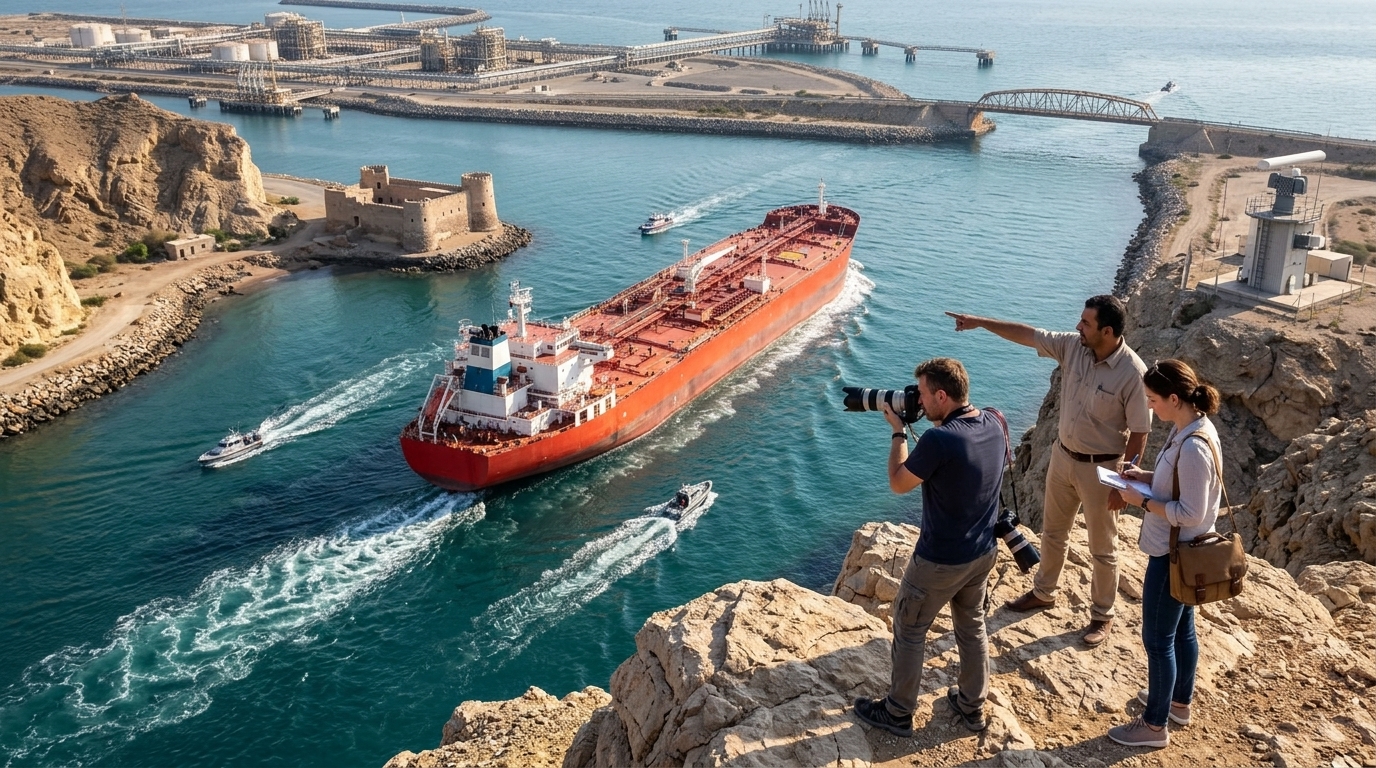
The Strait of Hormuz is the world's most vital maritime artery for the transport of oil and gas. Any disruption to the flow of tankers translates instantly into a spike in international energy prices. Pierrakakis, in his capacity as head of the Eurozone's finance ministers, emphasized that Europe remains vulnerable to external shocks, despite efforts toward energy independence and the shift to renewable energy sources.
The Minister's concern is not limited to petrol prices at the pump but extends to the overall impact of energy costs on the production chain. "Energy inflation is the 'silent killer' of purchasing power," he noted during a press briefing. Nicosia, hosting today's session, has become the epicenter of a discussion that transcends the narrow limits of fiscal discipline and touches upon the boundaries of national and regional energy security.
The Greek Economy Facing the Challenge
For Greece, this warning carries double weight. On one hand, the country is entering the peak of the tourism season. A new surge in energy prices could increase transportation and service costs, affecting the competitiveness of the Greek tourism product. On the other hand, the state budget must balance the need to support vulnerable households with the maintenance of primary surpluses required by the EU's new fiscal rules.
- Increased costs for transporting LNG and oil via alternative routes.
- Pressure on the profit margins of small and medium-sized enterprises (SMEs).
- The risk of reigniting core inflation.
- The need for a new "toolkit" of support at the European level.
Pierrakakis stressed that the Greek government is closely monitoring developments but made it clear that the room for horizontal subsidies is limited. Athens' strategy now focuses on targeted support and accelerating investments that reduce the energy intensity of the economy.
The Eurogroup Agenda in Nicosia
At the Nicosia meeting, finance ministers are not only discussing Hormuz. On the table is the deepening of the Capital Markets Union and the use of Artificial Intelligence to improve tax compliance and the efficiency of public spending. However, the shadow of geopolitical tension looms over everything. The Eurozone is called upon to demonstrate resilience in an environment where geography dictates economics more than ever before.
"We cannot control geopolitical storms, but we can fortify our economic homes," Pierrakakis stated, setting the tone for the meeting.
The reference to June being a "worse month" is not coincidental. It aligns with analysts' projections regarding the peak of energy demands and the potential depletion of reserves accumulated during a milder winter. If the Strait remains closed or under high-risk status, shipping insurance rates will skyrocket, dragging up the cost of every product moved by sea.
Conclusion: Europe on a Tightrope
Kyriakos Pierrakakis' position highlights the necessity for a more unified European foreign and energy policy. The economic stability of the Eurozone is no longer determined solely in Brussels or Frankfurt, but also at distant geopolitical chokepoints. June will be the first major test of whether Europe can manage uncertainty without sliding back into a period of stagnation. Greece, having regained its credibility, is at the forefront of this debate, seeking solutions that will protect social cohesion and growth.