The recent revelation by the Washington Post regarding the depletion of U.S. THAAD (Terminal High Altitude Area Defense) interceptor stocks is more than just military news; it is a stark warning about the limits of American global power. As Washington rushed to shield Israel against Iran's massive missile barrages, it found itself confronting a nightmare scenario: the rapid consumption of resources intended to deter much larger global threats, such as a potential conflict in the Pacific.
The THAAD System and Its Strategic Significance
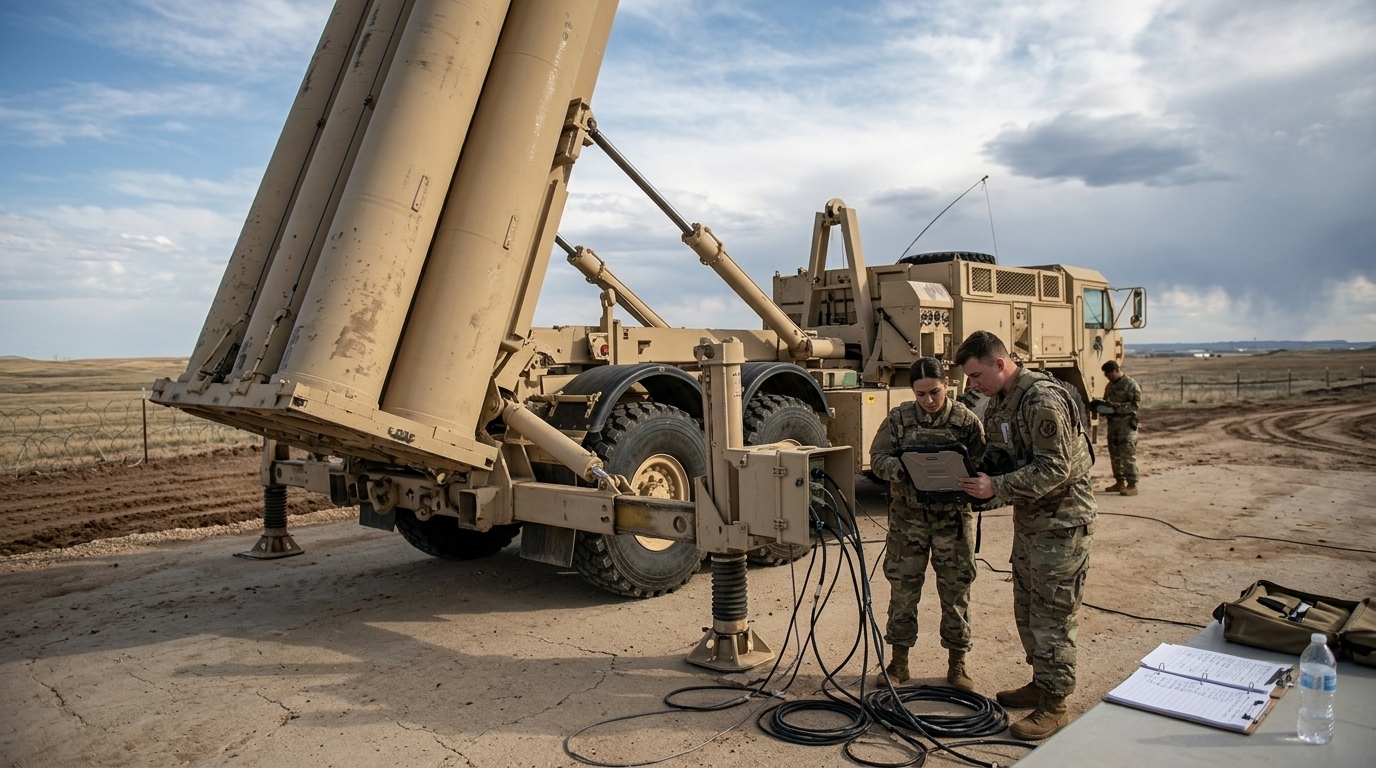
The THAAD system is the crown jewel of American missile defense. Designed to intercept short, medium, and intermediate-range ballistic missiles during their terminal phase, it utilizes "hit-to-kill" technology—meaning it destroys targets through kinetic energy rather than explosives. This makes it exceptionally precise but also incredibly expensive and difficult to manufacture.
When Iran launched its attacks in April and October 2024, the need for THAAD became imperative. Despite Israel possessing its own multi-layered defense system (Iron Dome, David's Sling, Arrow), the sheer density of Iranian ballistic missiles necessitated American assistance. The Biden administration's decision to deploy a full THAAD battery to Israel, complete with its personnel, was a high-stakes move that now appears to have left gaps in other theaters.
The Math of Attrition: Why Stocks Are Running Low
The fundamental challenge in missile defense is the asymmetry of cost. An offensive missile can cost a few hundred thousand dollars, while a THAAD interceptor costs millions. Furthermore, interception doctrine dictates the use of at least two defensive missiles for every one incoming target to ensure neutralization.
- THAAD production by Lockheed Martin is a time-consuming process requiring specialized materials and microchips.
- Production rates have not adjusted to the requirements of high-intensity warfare.
- Providing aid simultaneously to Ukraine and Israel has drained the warehouses intended for strategic security reserves.
"America cannot be the arsenal of democracy if the arsenal is empty," Pentagon analysts note, highlighting the defense industry's inability to match the speed of modern conflicts.
Geopolitical Implications: Eyes on the Pacific
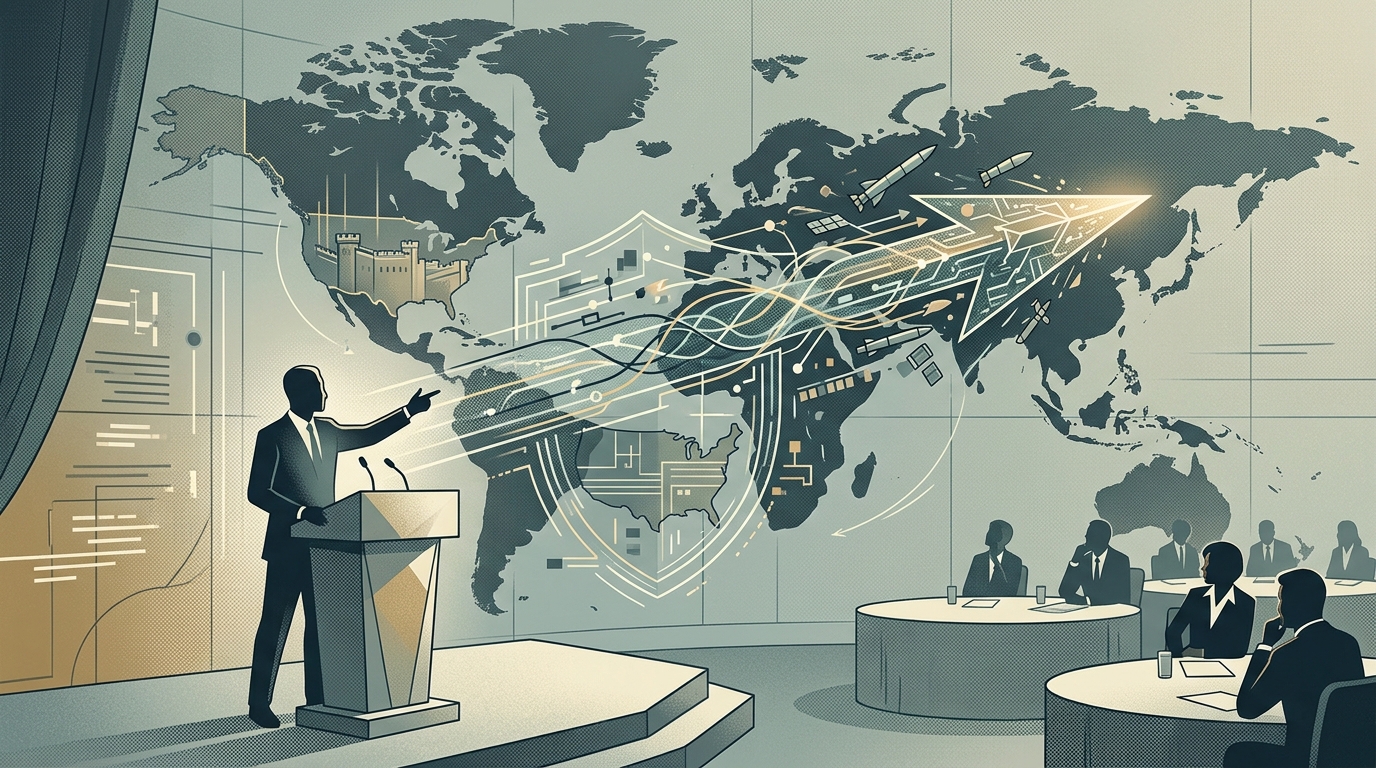
The greatest problem lies not in the Middle East, but in East Asia. U.S. strategy for deterring China relies heavily on the availability of sufficient missile defense systems to protect bases in Guam and support Taiwan. If more than half of THAAD stocks have already been committed or used to protect Israel, the U.S. ability to counter Chinese aggression is dramatically diminished.
This "strategic overextension" is exactly what Washington's adversaries seek. By forcing the U.S. to expend precious resources in regional conflicts, they weaken the superpower's overall deterrent power. The Washington Post notes that replenishing these stocks could take years, leaving a window of vulnerability that China or North Korea could exploit.
The Need for a New Defense Architecture
This situation is forcing the Pentagon to rethink its priorities. Developing the most advanced technology is no longer enough; the capacity for mass production is required. Shifting toward cheaper interceptor systems, utilizing AI for better targeting, and strengthening production lines are now matters of national security.
In conclusion, the defense of Israel proved the effectiveness of American technology but simultaneously exposed its industrial fragility. Washington is now called to walk a tightrope: remaining loyal to its allies without disarming itself in the face of future challenges.