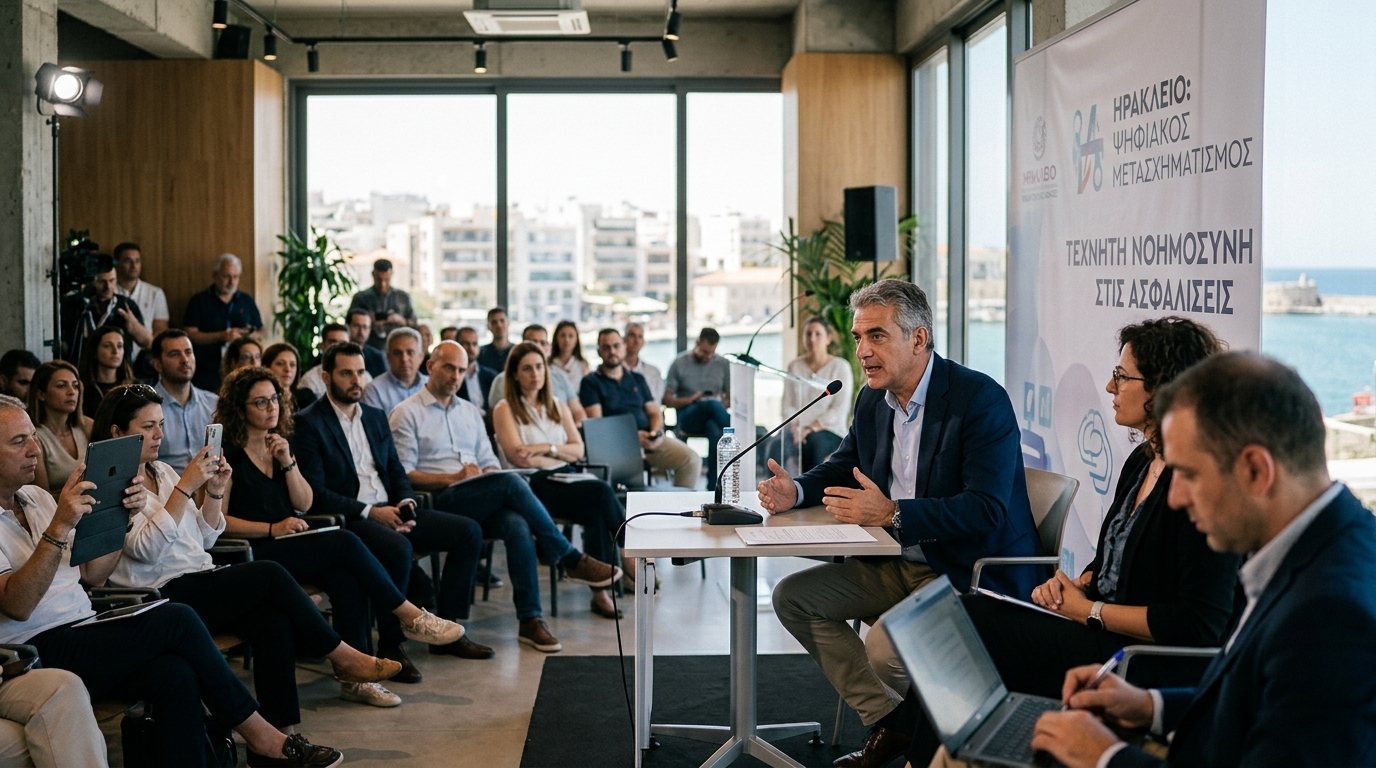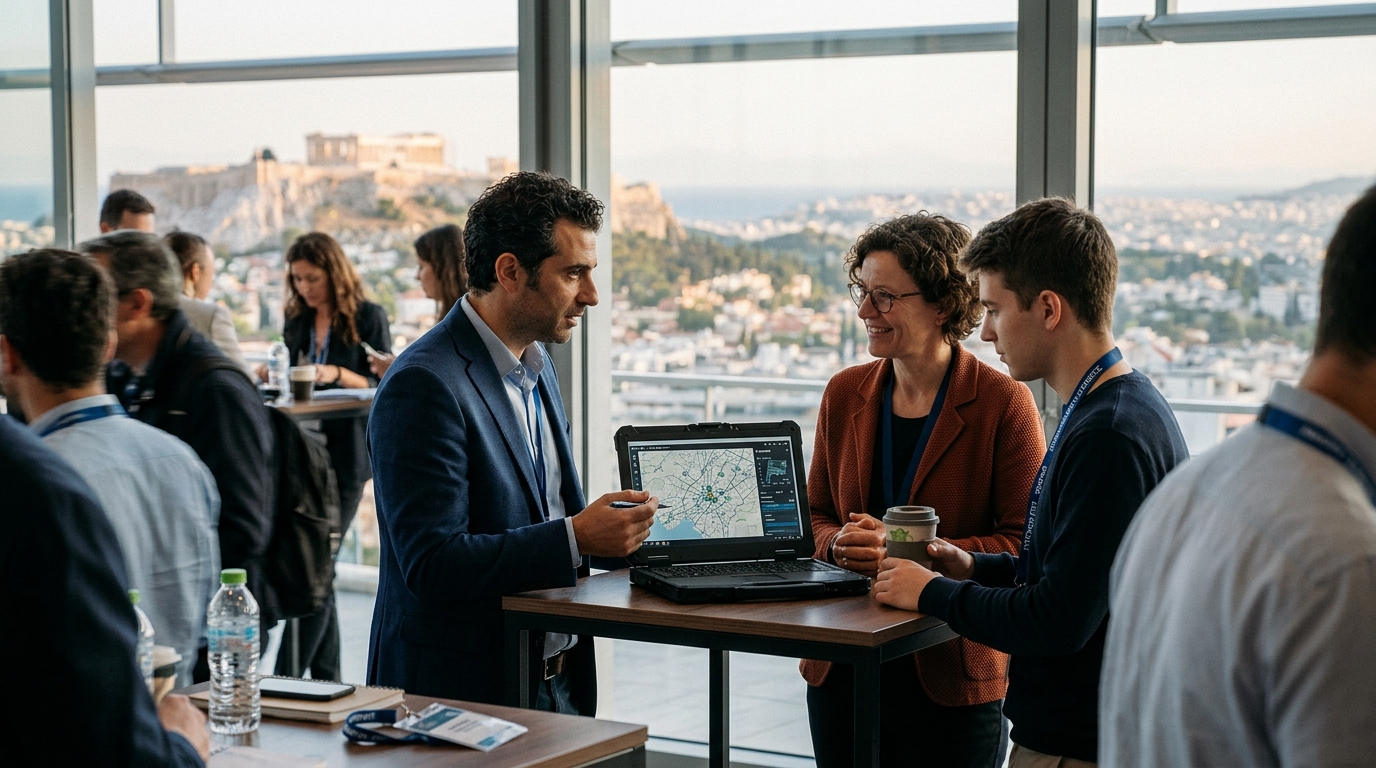
The era when cities were merely static complexes of concrete and asphalt is officially over. Today, the concept of the “smart city” is evolving into something deeper and more complex: the “thinking city.” On the occasion of the recent conference organized by Vergina TV entitled “AI & Cities that… Think!”, a critical discussion is emerging about how Artificial Intelligence (AI) can redefine the citizen's daily life, governance, and urban resilience.
This initiative by Vergina TV is not just a journalistic recording of technological developments. It is an effort to bridge the gap between high technology and local government, in a country that often struggles with bureaucracy and outdated infrastructure. The conference focused on the question: Can Greece play a leading role in the 4th Industrial Revolution starting from its municipalities?
The Anatomy of a “Thinking” City
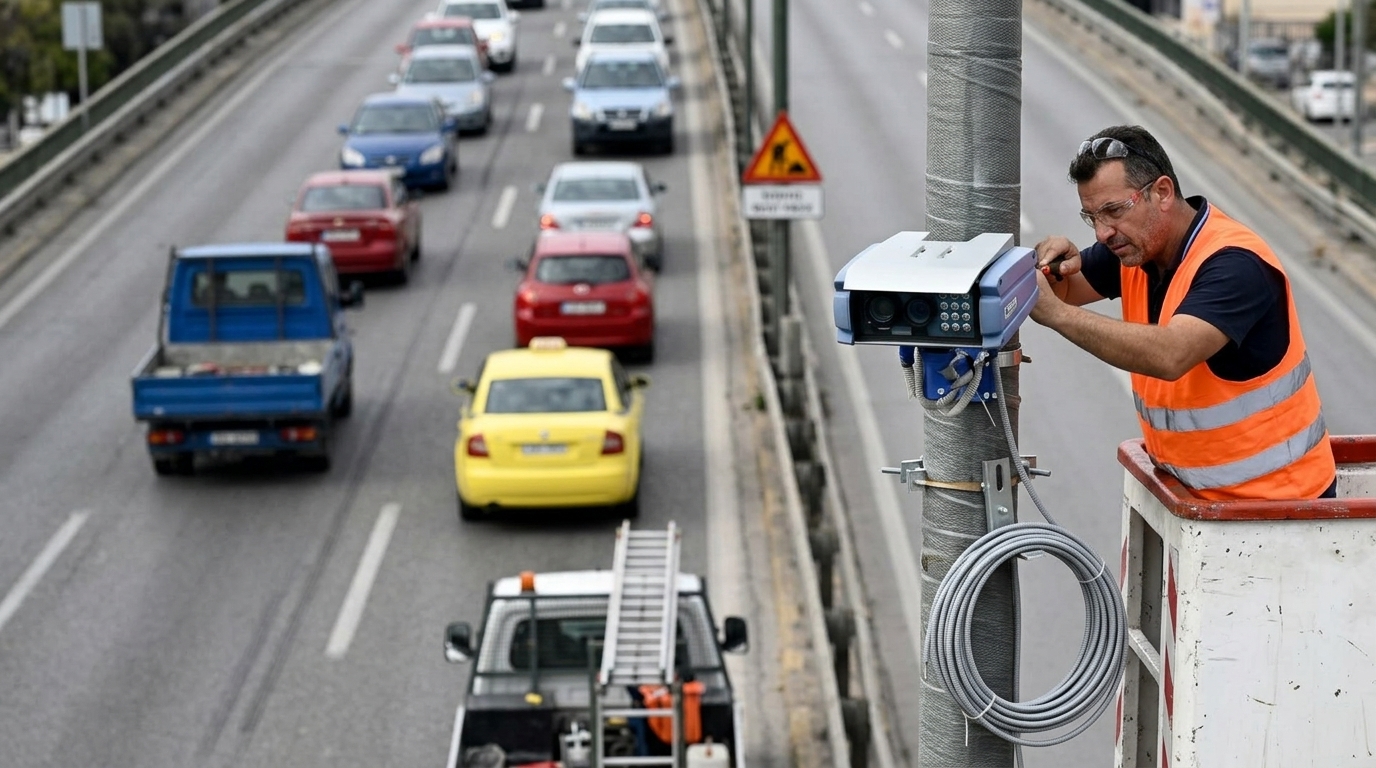
A city that “thinks” does not just have parking sensors or free Wi-Fi in the squares. It is an ecosystem where data flows seamlessly and is analyzed in real-time by machine learning algorithms. The goal is to predict needs before they become problems. For example, AI can optimize garbage truck routes based on how full the bins are, adjust street brightness according to pedestrian traffic to save energy, or even predict flooding events through the analysis of meteorological data and sensors in the drains.
The conference emphasized that AI technology acts as the “brain” of the city. However, for this brain to function, a nervous system is required: 5G infrastructure, fiber optics, and open data platforms. The transition from “reacting to the problem” to “preventing the problem” is the quintessence of the new urban strategy.
The Greek Reality and Thessaloniki
Special emphasis was placed on the role of Thessaloniki and Northern Greece. Thessaloniki, having already attracted giants such as Pfizer and Cisco, is in a privileged position to be the “living lab” for such applications. The speakers at the conference pointed out that local government must overcome the fear of technological complexity. Artificial Intelligence is not coming to replace the mayor or the employee, but to provide them with the tools for a fairer and more efficient distribution of resources.
- Traffic optimization and reduction of pollutants through smart traffic lights.
- Digital Twins of cities for simulation of infrastructure projects.
- Direct citizen-municipality communication through chatbots that resolve daily requests.
- Energy upgrading of public buildings using predictive models.
However, the Greek reality also presents obstacles. The lack of specialized personnel in municipalities and the need for a unified institutional framework regarding the use of data are issues that need immediate attention. The conference served as a wake-up call for the need for cooperation between the public and private sectors (PPPs).
Ethics, Privacy, and the Role of the Citizen
A “thinking city” that monitors everything can easily slide into a dystopian surveillance scenario. This was one of the most crucial points of the discussion. The use of cameras with facial recognition capabilities or the collection of personal data to provide services raises serious ethical dilemmas. Transparency in algorithms and compliance with GDPR are not just legal obligations, but prerequisites for the acceptance of technology by society.
“Technology without a human-centric focus is just cold code. The city that thinks must first of all care,” it was characteristically mentioned during the proceedings.
Participatory democracy can be enhanced through AI. Imagine platforms where citizens do not just file complaints, but participate in the design of their neighborhood, seeing in real-time the impact of their proposals through simulation models. Public information, served by the Vergina TV initiative, is the first step towards creating conscious digital citizens.
Conclusion: Towards a New Social Contract
The “AI & Cities that… Think!” conference demonstrated that Artificial Intelligence is not a distant future, but a present necessity. For Greece, the challenge is twofold: to adopt cutting-edge technologies and at the same time ensure that no citizen is left behind in the digital divide. Our cities must learn to “think,” but we, as a society, must decide the values on which this thought will be based. The Vergina TV initiative opens a path that we must walk with courage and prudence.