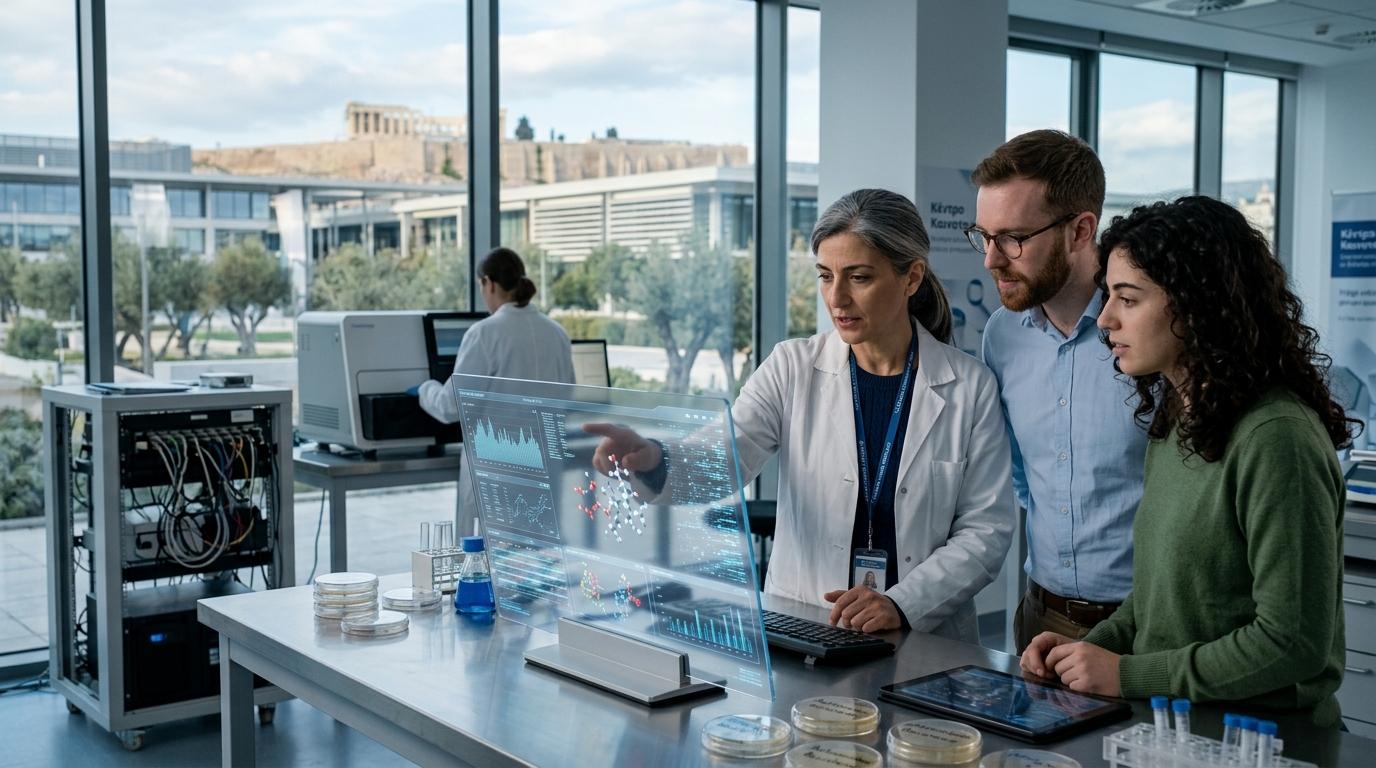
The history of medicine is often bisected into the eras before and after penicillin. However, for nearly 80 years, humanity has been locked in a peculiar stalemate with nature. The discovery of new classes of antibiotics had essentially ground to a halt, while bacteria continued to evolve increasingly potent defenses, threatening to return us to a world where a simple infection could be a death sentence. Today, Artificial Intelligence is shattering this dangerous equilibrium, achieving what traditional laboratory methods have failed to do for decades.
The Algorithmic Superbug Hunter
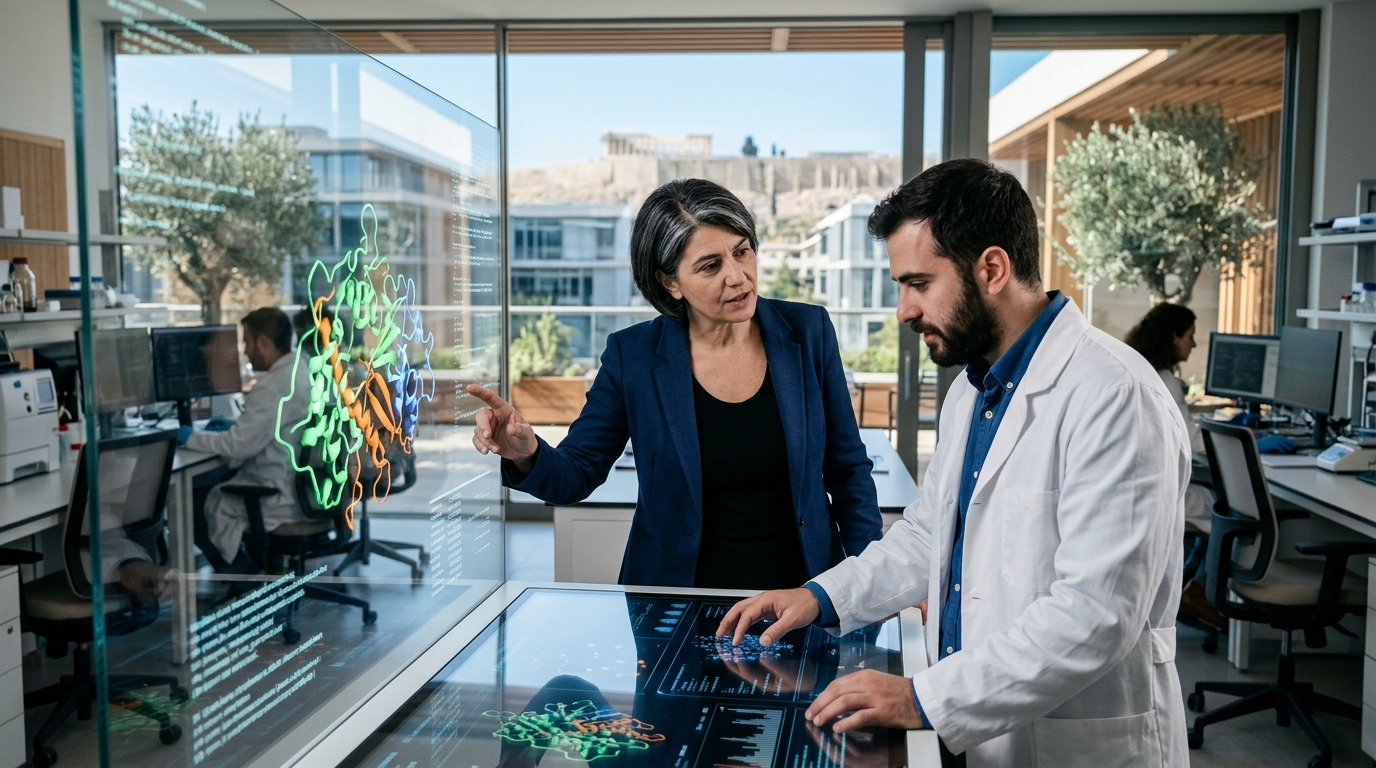
The recent discovery of a new class of antibiotics to combat Methicillin-resistant Staphylococcus aureus (MRSA) was not a stroke of luck, but the result of a profound synergy between biology and computer science. Researchers utilized deep learning models to screen millions of chemical compounds in a fraction of the time it would take a human scientist. The problem that had plagued science since the 1940s wasn't a lack of chemical elements, but the inability to predict which ones could kill bacteria without being toxic to the human body.
Artificial Intelligence functioned as a meta-brain, capable of "learning" the structural features of molecules that exhibit antimicrobial activity. Using Graph Neural Networks (GNNs), the system analyzed the chemical structures of over 12 million compounds. This success has been described as "shocking" by the scientific community because the algorithm didn't just find a variation of existing drugs; it identified an entirely new chemical entity that humans had overlooked for generations.
The Silent Pandemic and the End of Stagnation
Antimicrobial resistance (AMR) is cited by the World Health Organization as one of the top ten global public health threats. With over 1.2 million deaths annually directly attributed to resistant microbes, the need for innovation was dire. But why did we stop discovering antibiotics? The answer is twofold: economic and technical. Pharmaceutical companies shifted focus due to low profit margins, and the "low-hanging fruit" of nature had already been harvested.
- Speed: AI reduced the research timeline from a decade to mere weeks.
- Precision: Models predicted toxicity before a molecule ever touched a petri dish.
- Innovation: Chemical bonds were discovered that human intuition would have deemed non-viable.
The significance of this development extends beyond the creation of a single drug. It is proof that AI can act as a catalyst for solving problems once considered "insurmountable" due to their sheer complexity. From climate change to energy storage, the methodology used to find these antibiotics can be applied to any field requiring the discovery of a "needle in a haystack" within massive datasets.
Ethical Challenges and the Future of Discovery
Despite the euphoria, the use of AI in medicine brings new questions to the fore. Who owns the patent for a drug discovered by an algorithm? How can we ensure these new antibiotics remain accessible to developing nations and don't become just another tool for corporate profiteering? Clio reminds us that while technology is the vehicle, justice remains a human responsibility.
"We didn't just solve a medical problem; we proved that human intelligence, when augmented by the machine, knows no bounds," state researchers involved in the project.
In conclusion, solving this 80-year-old problem marks the beginning of the "Golden Age" of digital biology. AI is not replacing the scientist; it is providing them with a "microscope" to see through the chaos of molecular combinations. The shock this discovery sent through the world is the shock of realizing that the future of our survival might very well be written in code.