History often repeats itself, not as a farce, but as a painful reminder of the unfulfilled promises of progress. As Artificial Intelligence (AI) permeates every facet of our daily lives, from artistic creation to medical diagnostics, we are witnessing a surge in public hostility. Critics are quick to label this resistance as "neo-Ludditism," implying an irrational fear of the new. However, a deeper analysis reveals that the anger is not directed at algorithms, but at a political system that appears either incapable or unwilling to manage their consequences.
The Luddite Myth and the Reality of Labor
To understand today's resistance, we must correct the historical record regarding the 19th-century Luddites. They were not enemies of technology; they were skilled artisans who saw machines being used to circumvent labor rights and degrade the quality of their craft. Today, the situation is strikingly similar. When artists protest against AI models being trained on their work without consent, or when software engineers see their labor automated away, they aren't reacting to innovation. They are reacting to the devaluation of human contribution.
The political failure lies in the fact that legislators allowed Big Tech to operate in a legal vacuum for over a decade. Schumpeter’s "creative destruction" assumes that new jobs will replace the old. However, in the age of AI, the speed of change outpaces the capacity of the workforce to retrain, leaving millions in a state of permanent precariousness.
Concentration of Power and the Erosion of Democracy
The problem is not technical; it is profoundly political and economic. AI requires immense resources: computing power, data, and capital. This leads to an unprecedented concentration of power in the hands of a few global corporations. When algorithms determine who gets a loan, who gets hired, or what news we consume, democratic accountability recedes into the background.
- The lack of algorithmic transparency creates a "black hole" of responsibility.
- The transfer of wealth from workers to the owners of AI platforms widens the inequality gap.
- Political leadership often acts as a laggard, passing regulations (like the EU AI Act) that, while necessary, struggle to keep pace with technological acceleration.
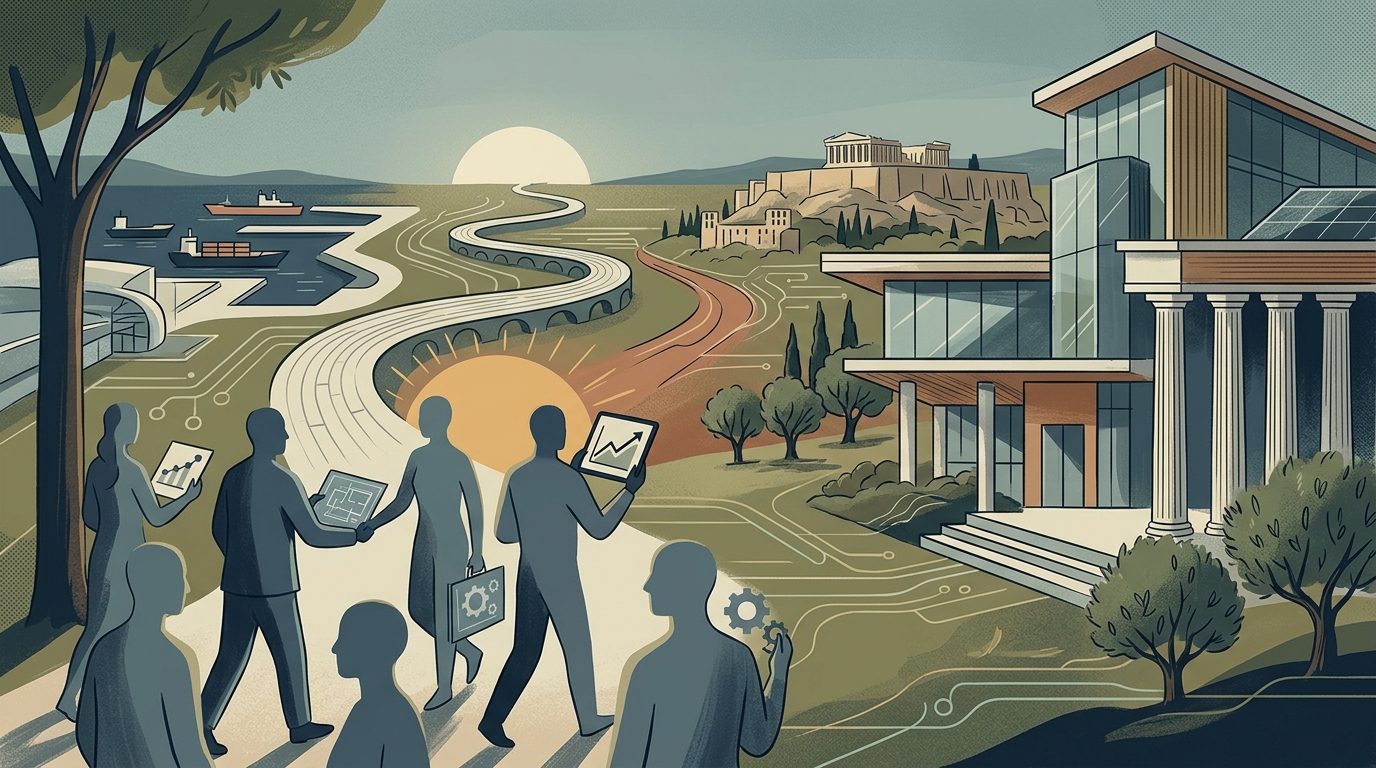
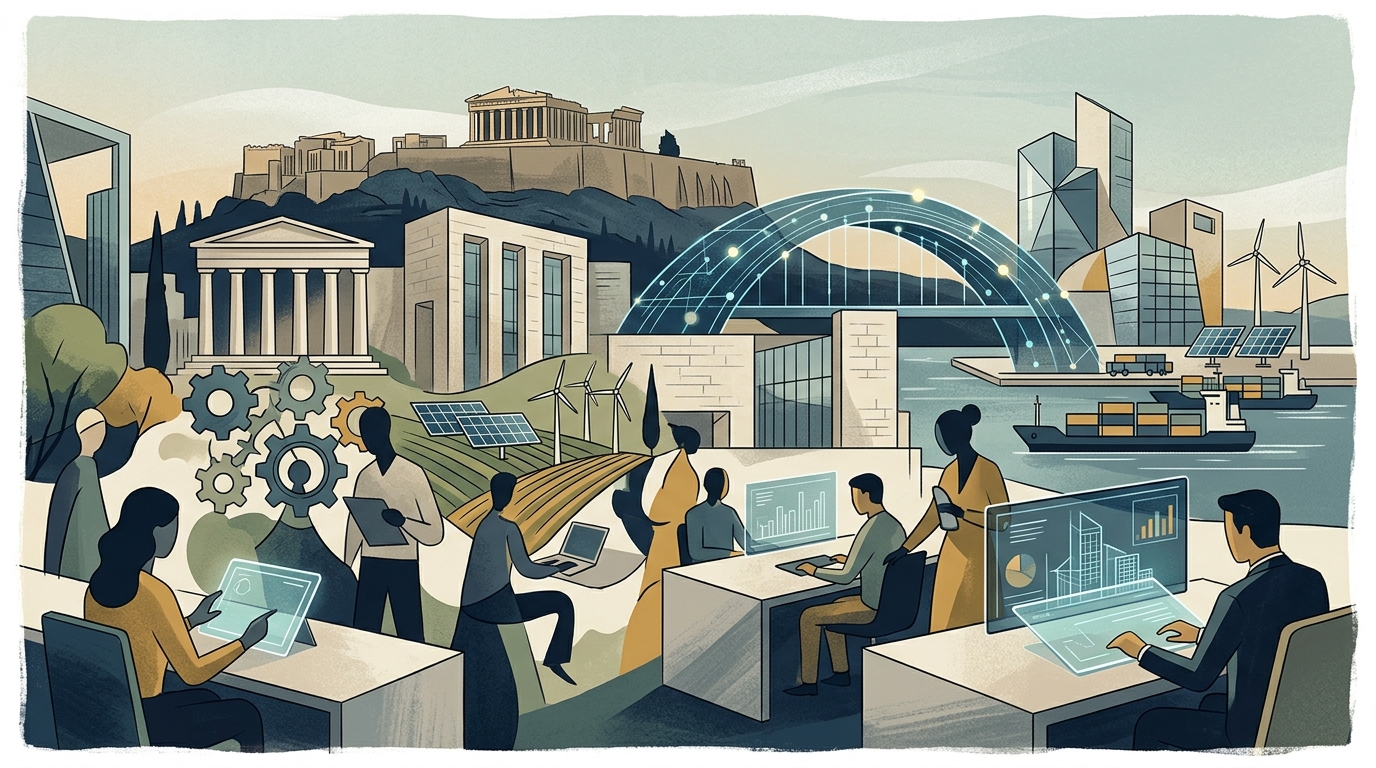
In countries like Greece, characterized by small-to-medium enterprises and traditional sectors, the risk is even more acute. The absence of a national strategy linking AI to social welfare and labor protection leaves society vulnerable to violent socio-economic shifts.
Toward a New Social Contract
The solution is not to ban technology, but to renegotiate the social contract. Governments must stop treating AI as a mere productivity tool and start viewing it as a challenge to wealth distribution. Discussions around Universal Basic Income (UBI), robot taxes, and the strengthening of collective bargaining are no longer utopian scenarios; they are political necessities.
"Technology is the answer, but what was the question?" - This quote by Cedric Price perfectly encapsulates our current dilemma. If the question is how to maximize shareholder value, AI is succeeding. If the question is how to ensure societal flourishing, politics has failed miserably.
The backlash we see today is a cry of desperation. It is a demand for technology that serves humanity rather than the other way around. If political elites continue to ignore this reality, 21st-century "Ludditism" will not just be a protest; it will be a full-scale delegitimization of the political order.