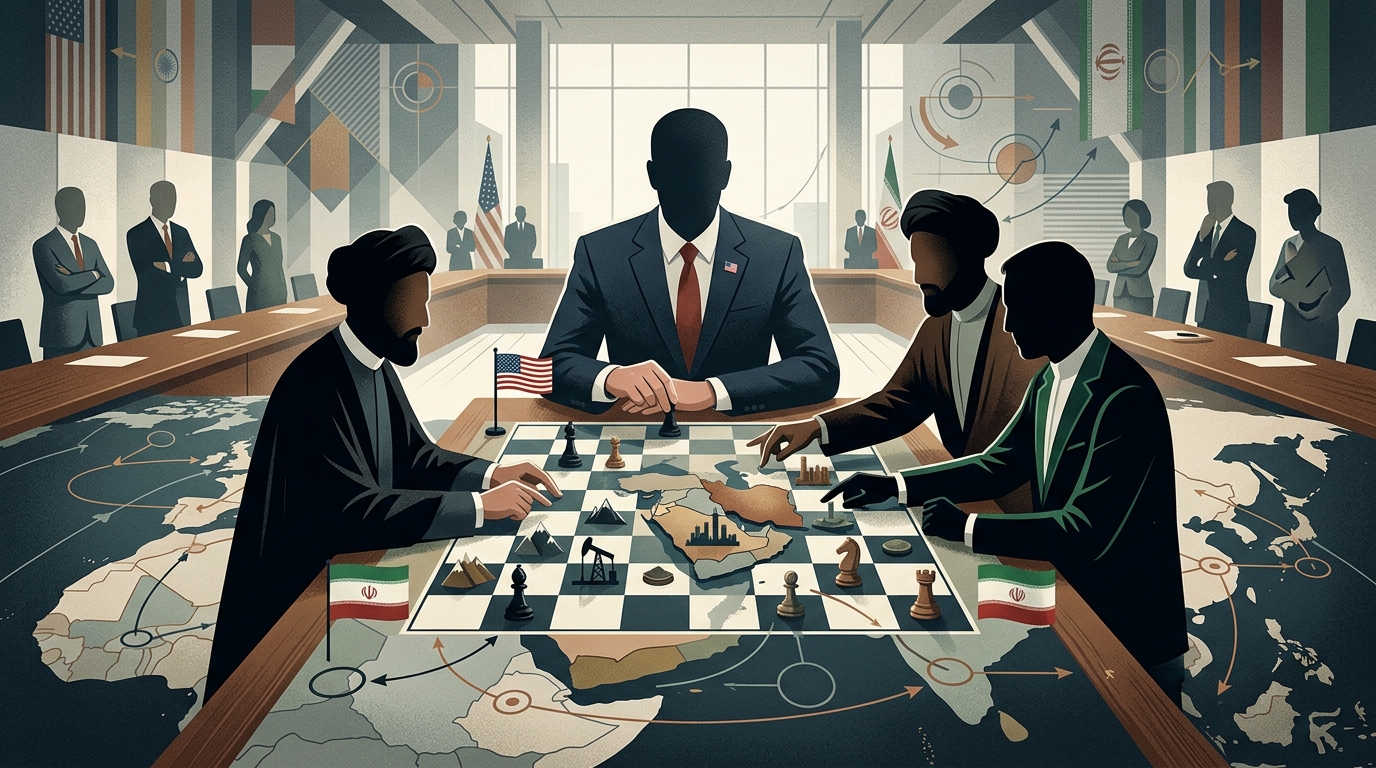
The geopolitical stage of the Middle East is at a critical juncture as Donald Trump's re-election reshuffles the deck of diplomatic and military balances. The central question occupying analysts and diplomats is not just whether Trump desires a new deal with Iran, but which Iran exactly he is called upon to negotiate with. The Islamic Republic is not a monolithic player; it is a complex ecosystem of power where the official government often clashes with the shadow structures of the theocratic establishment.
Tehran’s Dual Identity: Between Diplomacy and Ideology
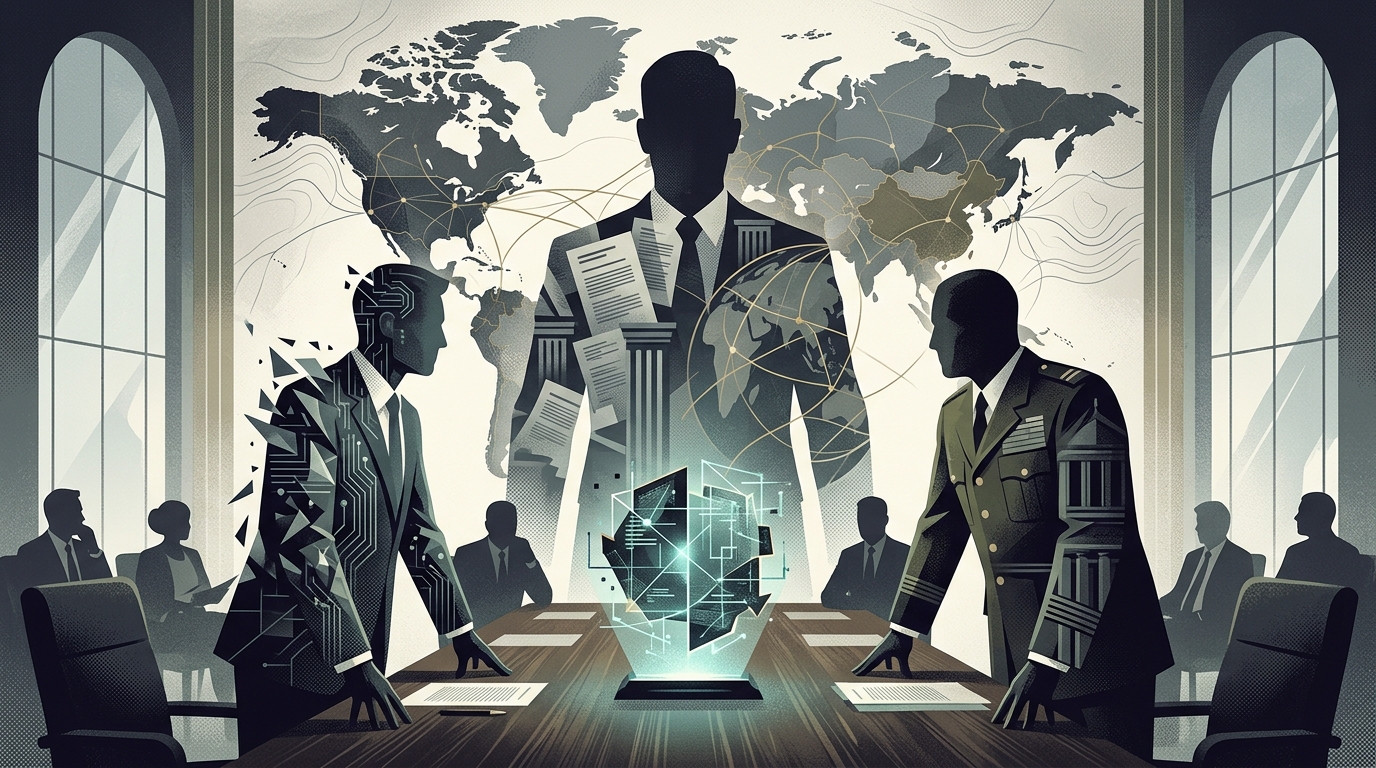
On the surface, Iran is represented by President Masoud Pezeshkian, a politician elected on the promise of economic recovery through the lifting of sanctions. Pezeshkian and his Foreign Minister, Abbas Araghchi, appear to be seeking a window of opportunity to relieve the Iranian economy, which is groaning under the weight of inflation and isolation. However, the real power remains in the hands of Supreme Leader Ayatollah Ali Khamenei and the Islamic Revolutionary Guard Corps (IRGC).
The IRGC is not merely a military body. It is an economic giant that controls a vast portion of Iranian industry and infrastructure. For the IRGC, tension with the West is often an existential necessity, as it justifies their control over internal security and the expansion of their influence in the region through proxies like Hezbollah and the Houthis. Trump, therefore, does not just face a negotiator at the table, but an internal conflict over the country's future.
The 'Maximum Pressure' 2.0 Strategy
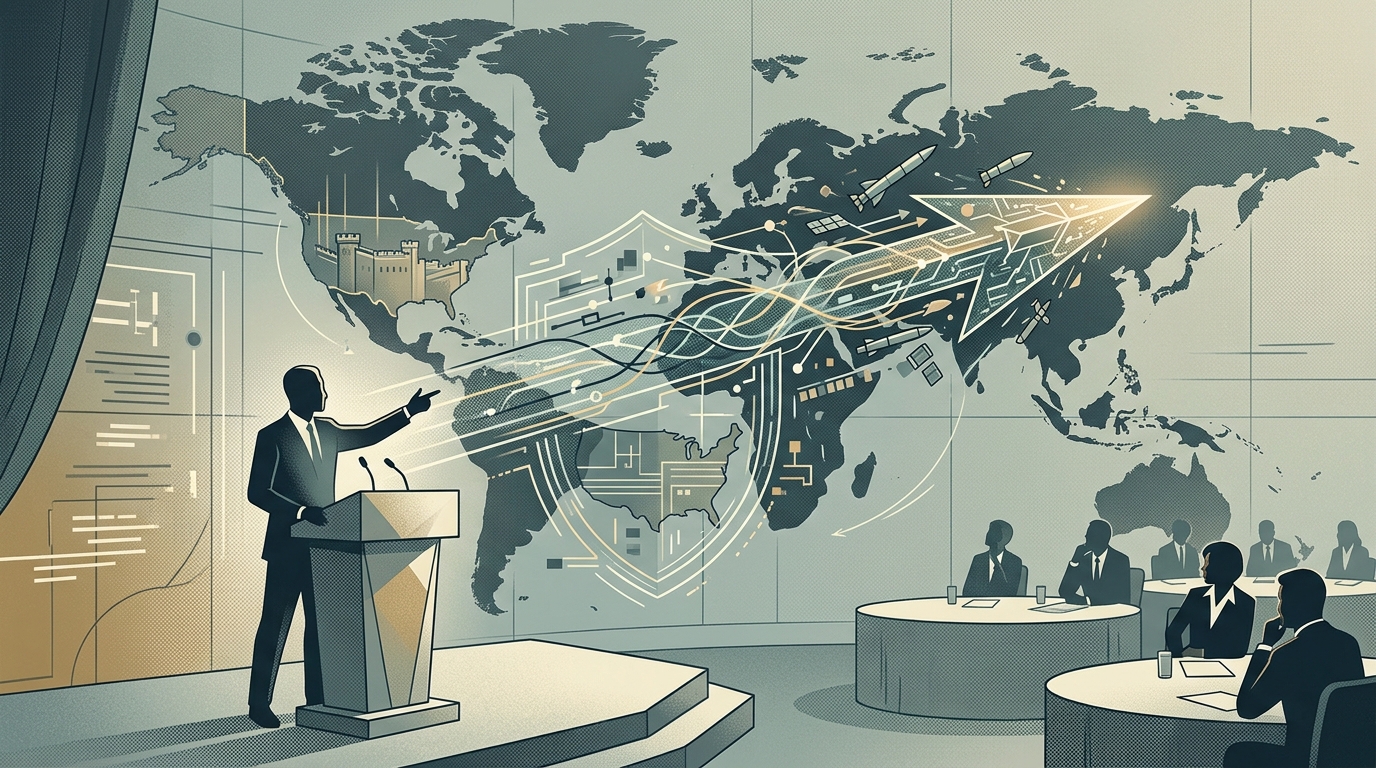
During his first term, Trump implemented the 'maximum pressure' policy, withdrawing the US from the nuclear deal (JCPOA) and imposing crippling sanctions. This strategy aimed to economically kneel Tehran and force it into a 'better deal' that would include its ballistic missile program. Today, Trump seems to be returning with the same logic, but in a different environment.
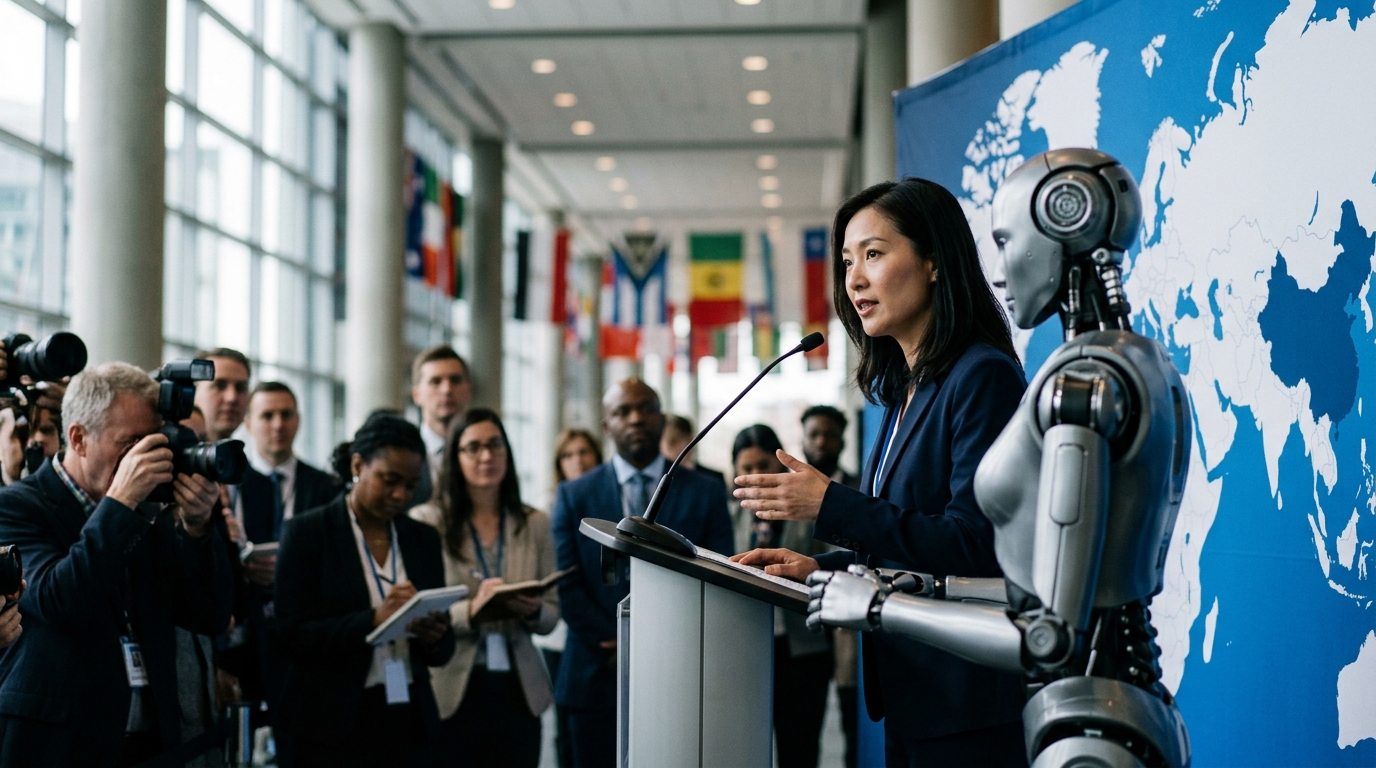
The Iran of 2024 is closer to building a nuclear weapon than ever before, while its alliance with Russia and China has strengthened. The use of Iranian drones in the war in Ukraine has given Tehran new geopolitical leverage. Trump, who likes to style himself as the 'great negotiator,' might attempt a spectacular move—such as the rumored meeting between Elon Musk and the Iranian ambassador to the UN—to bypass traditional diplomacy. However, the mistrust between the two sides remains at historic highs, especially following the assassination of Qasem Soleimani in 2020.
The Israel Factor and Regional Security
No negotiation scenario can be considered without the Israel factor. Benjamin Netanyahu, a close ally of Trump, views Iran as an existential threat and has repeatedly stated that he will do everything to prevent Tehran from acquiring nuclear weapons. The recent escalation of violence in Gaza and Lebanon has brought Iran and Israel into an unprecedented direct confrontation.
If Trump chooses the path of a deal, he will have to convince Israel that the security guarantees are sufficient. Conversely, if he chooses escalation, the risk of an all-out regional war is visible. Iran uses its nuclear program as the ultimate bargaining chip, but also as a protective shield. The challenge for Washington is to find the middle ground between deterrence and compromise, at a time when internal instability in Iran makes any commitment uncertain.
- The economic crisis in Iran pressures the Pezeshkian government for an immediate solution.
- The Revolutionary Guards maintain veto power over every strategic decision.
- The Trump-Musk approach suggests a shift toward 'personal diplomacy.'
- The Iran-Russia alliance complicates American strategy in the Middle East.
In conclusion, negotiating with Iran is not a simple exercise in diplomacy, but a race against time and the internal balances of a theocracy fighting for its survival. Trump must decide whether he will be the architect of a historic peace or the catalyst for a new, even more violent conflagration.