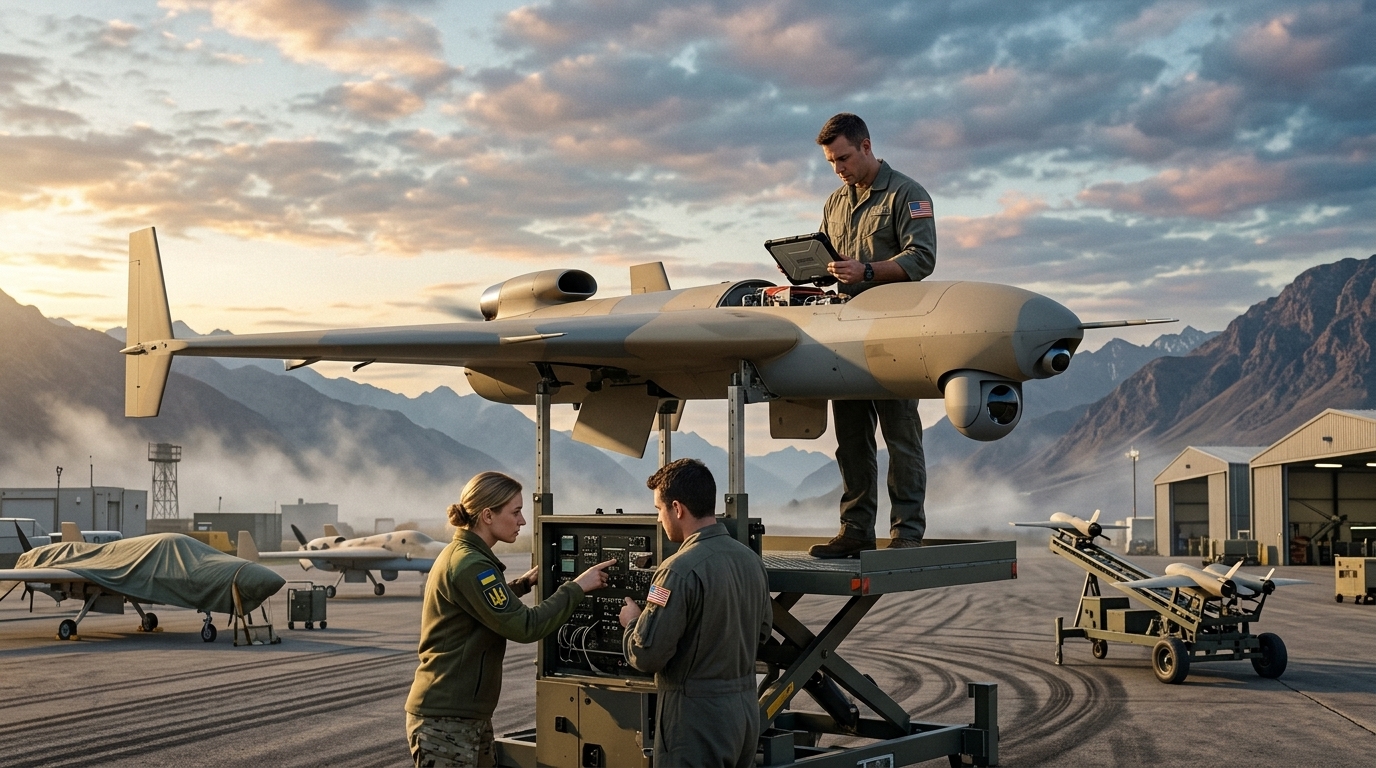
The geopolitical chessboard of Eastern Europe is entering a new, unprecedented phase. The recent news of a landmark defense agreement between the United States and Ukraine is not merely another act of military aid; it represents a structural realignment of the global defense industry. At the heart of this deal lies the "Drone Dominance" program, an ambitious plan for the joint production of 3 million drones, signaling a shift from providing hardware to deep industrial integration.
For the first time in the history of modern conflict, we are witnessing the phenomenon of "reverse technology transfer." While the US has traditionally exported expertise to its allies, today Ukraine is the one offering invaluable lessons from the battlefield. The experience of deploying FPV (First Person View) drones in environments saturated with intense electronic interference is something the US military has never encountered on such a scale. This "battle-hardened knowledge" is now being integrated into US production lines, creating a new generation of smart weapons that will define 21st-century warfare.
The "Drone Dominance" Program and Industrial Scale
The agreement is not limited to promises; it is backed by multi-billion dollar defense contracts. The target of 3 million units is no coincidence. It reflects the necessity of saturating the battlefield with low-cost, high-efficiency systems. Co-production will be split between facilities on US soil and protected sites within Ukraine (or neighboring NATO countries), thereby securing the supply chain against Russian strikes.
- Systems Integration: Ukrainian drones will incorporate US sensors and communication systems, ensuring full compatibility with NATO standards.
- Artificial Intelligence: A significant portion of the funding is directed toward autonomous targeting software, allowing drones to operate even when the link to the operator is severed by Electronic Warfare (EW).
- Economies of Scale: Mass production is expected to drive down the per-unit cost, making both defense and offense more affordable for allied forces.
This move is also a strategic response to Chinese dominance in the commercial drone market. The US aims to create a "democratic value chain" for unmanned systems, free from components sourced from strategic rivals. Ukraine, with its hundreds of defense-tech startups born out of necessity, provides the ideal ecosystem for this acceleration.
Strategic Implications for NATO and Russia
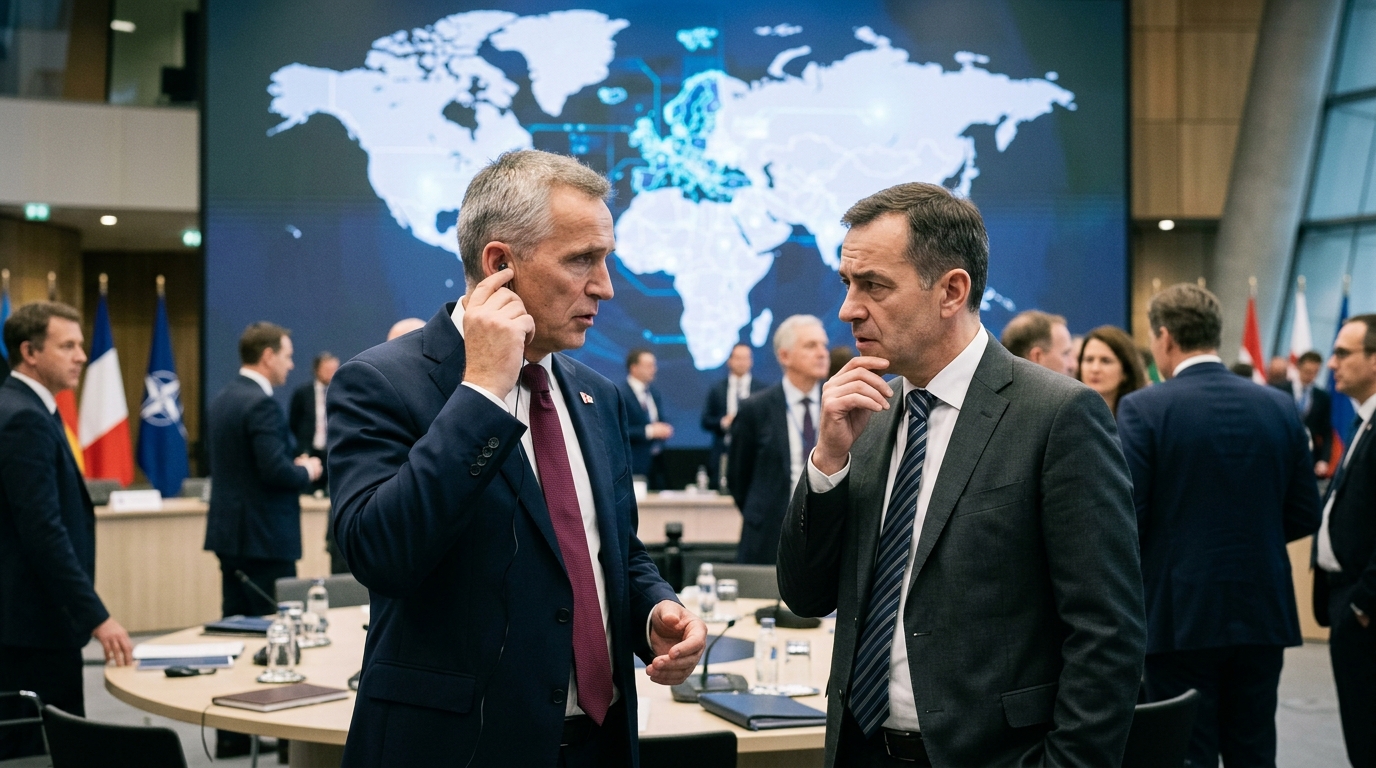
Beyond the technical aspects, the deal sends a powerful political message. Washington is making a long-term commitment to Ukraine’s security, not just as a protector, but as a partner. This complicates the Kremlin's calculations, as the Russian war machine will face an adversary backed by the immense industrial might of the US, tailored specifically to the realities of the Ukrainian front.
"We are not just building drones. We are building the future of deterrence," a senior Pentagon official stated, emphasizing that the deal serves as a blueprint for how the US will collaborate with frontline allies in the future.
However, challenges remain. The bureaucracy of US export controls (ITAR) and the need to protect intellectual property are hurdles that must be cleared. Furthermore, geopolitical instability and the potential for leadership changes in the US raise questions about the longevity of long-term contracts. Nevertheless, the momentum created seems irreversible: Ukraine is becoming the global laboratory for autonomous warfare.
Conclusions and Outlook
The 3-million drone deal is just the tip of the iceberg. It is followed by agreements for the co-production of 155mm artillery shells, armored vehicles, and air defense systems. Ukraine aspires to become the "arsenal of democracy" in Europe, leveraging its unique position and experience. For the US, this investment offers a chance to modernize its own warfighting doctrine, which for decades relied on expensive, manned systems that are now proving vulnerable. The era of "Drone Dominance" has begun, and the Washington-Kyiv partnership is its chief architect.