In May 2026, the geopolitical chessboard of the Middle East appears frozen in a perilous stalemate. Despite the deployment of the most advanced AI systems for monitoring financial flows, Washington is facing a bitter truth: the policy of sanctions has reached its physical limits. The recent Fortune AI report on the failure of the 'Economic Fury' doctrine underscores that Tehran has not only survived but has developed a parallel economic web that the West can no longer penetrate.
The Rise and Fall of 'Economic Fury'
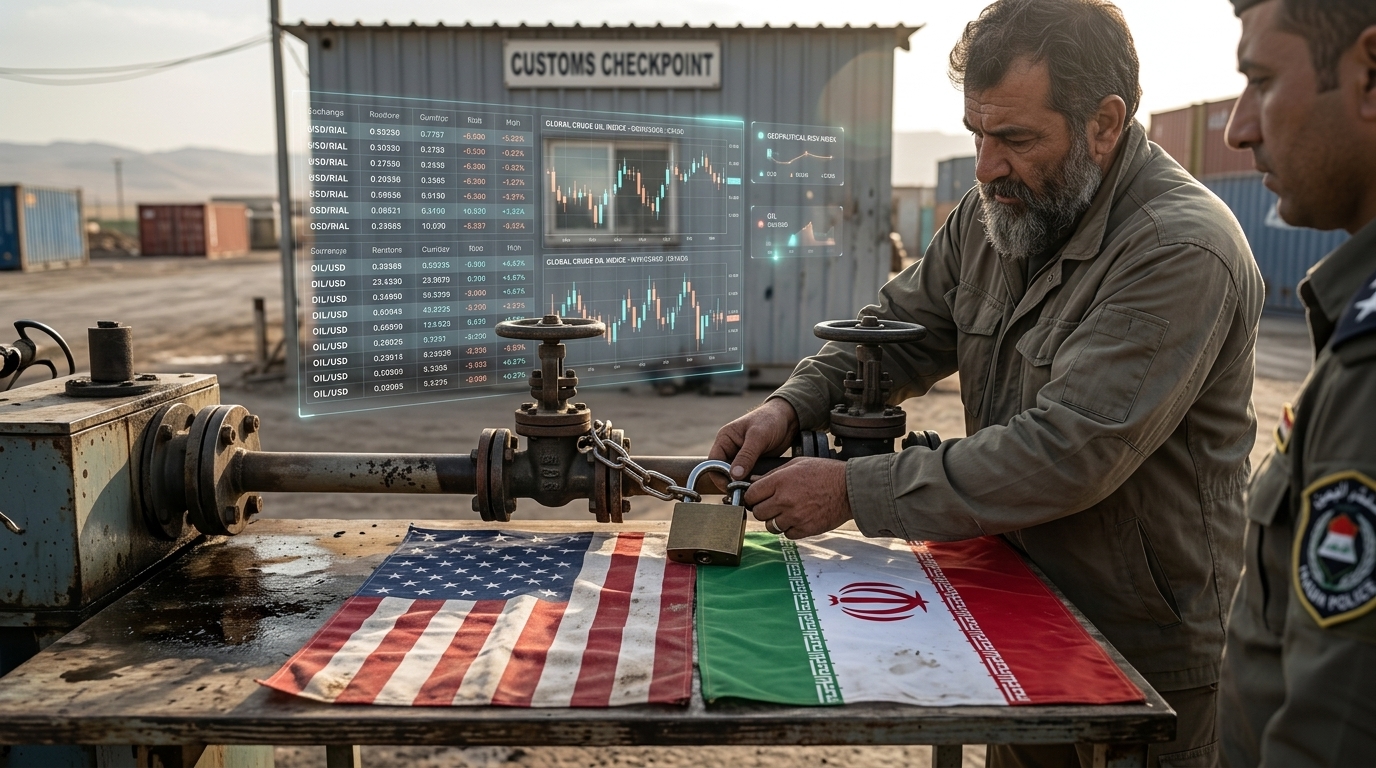
The 'Economic Fury' system, a suite of machine learning algorithms developed by the U.S. Treasury in collaboration with Silicon Valley giants, was designed to be the ultimate weapon of economic warfare. Its goal was to identify every hidden cryptocurrency transaction, every ship-to-ship (STS) oil transfer, and every shell company used by Iran to bypass the embargo. However, the reality of 2026 shows that technology cannot substitute for geography and strategic alliances.
Iran, having endured decades of exclusion, has transformed its economy into a 'shadow system.' By utilizing decentralized payment networks that do not rely on the SWIFT system and taking advantage of the growing reluctance of BRICS+ nations to comply with U.S. directives, Tehran has managed to maintain energy exports at levels that allow for regime survival. As the source notes, 'We need to either overwhelm them with something new—and this Economic Fury stuff isn’t it—or we need to start limiting our ambitions.'
The Alliance of the Sanctioned
One of the primary reasons U.S. sanctions have lost their efficacy is the creation of an alternative economic pole. Russia, China, and Iran have established a closed circuit of exchange where the dollar is increasingly redundant. Washington's algorithms can only track what moves within the global financial system they control. When transactions occur in local currencies or through barter systems, the West's 'digital visibility' drops to zero.
"Sanctioning is like using antibiotics: overuse leads to resistant microbes. Iran is now the most resistant organism in the global economy," says a geopolitical analyst in the report.
Furthermore, U.S. technological superiority is being challenged in practice. While 'Economic Fury' tries to predict Tehran's moves, Iranian AI systems, often backed by Chinese expertise, search for regulatory loopholes and automate the creation of thousands of short-lived commercial entities that vanish before they can even be flagged.
The Naval Blockade Dilemma
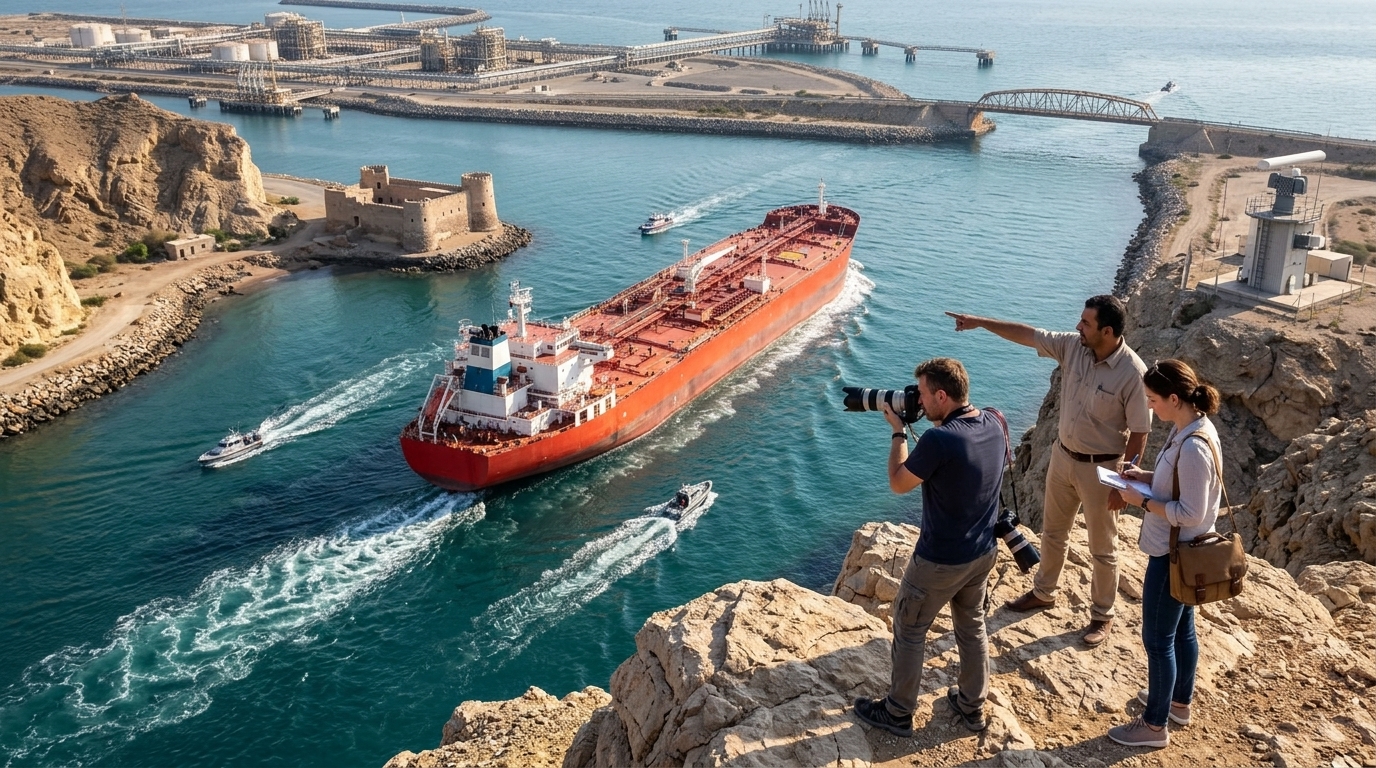
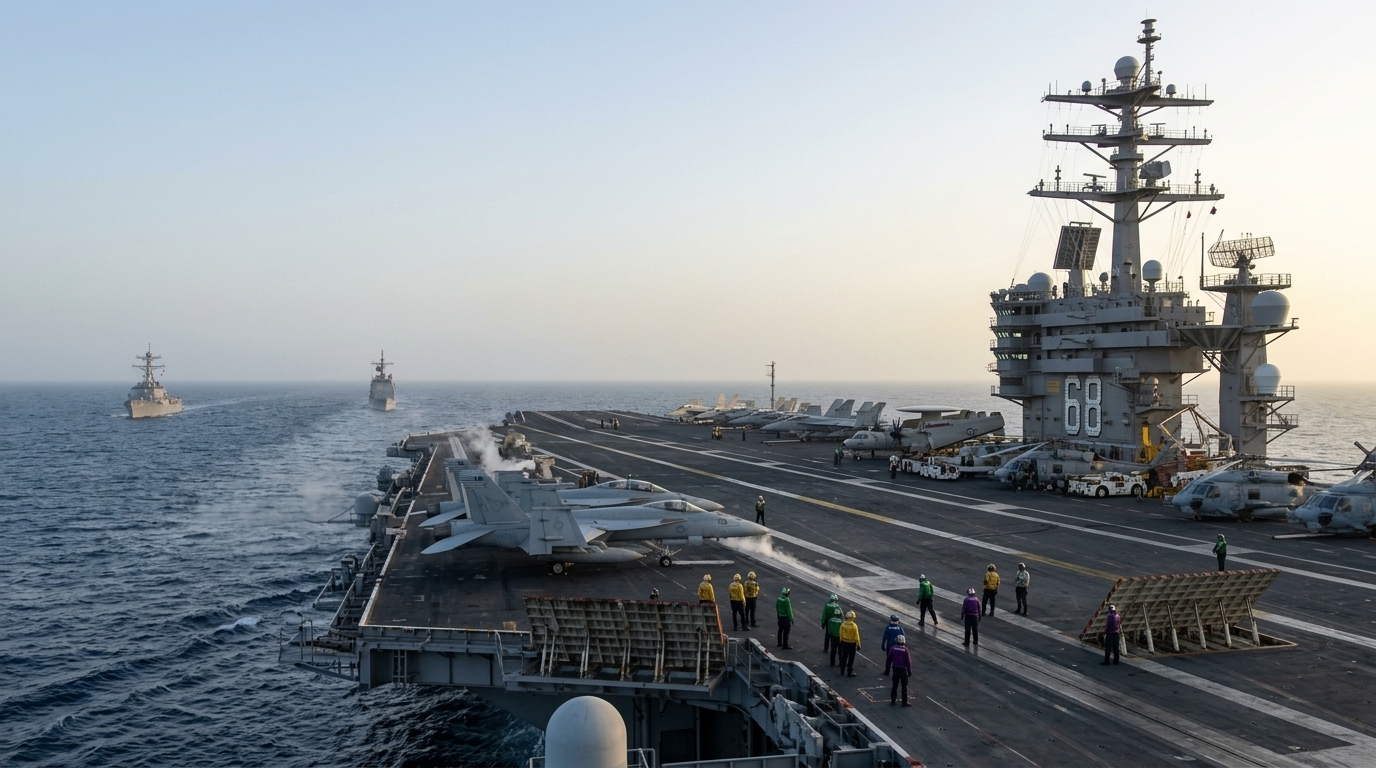
With economic tools exhausted, the debate in Washington is shifting toward more dangerous paths. If sanctions cannot stop the flow of capital, then the only alternative is physical containment: a naval blockade in the Gulf of Oman and the Strait of Hormuz. However, such a move would no longer be economic warfare; it would be a direct military confrontation with unpredictable consequences for global oil prices and regional stability.
The failure of sanctions in 2026 highlights a broader crisis of American power. The belief that controlling data and financial channels could replace traditional diplomacy or hard power is proving flawed. Iran has become the blueprint for any nation wishing to secede from the Western sphere of influence, demonstrating that resilience can be built through isolation.
Conclusion: Toward a Multipolar World
The current situation demands a radical reassessment of foreign policy. The U.S. must decide whether to continue pushing a system that has reached its breaking point or seek new ways of engagement. 'Economic Fury' may have been an impressive technological feat, but it failed to account for human and political ingenuity. At the end of the day, economics is about trust and necessity, and Iran found a way to meet its needs outside the walls the West attempted to build.