As the war in Ukraine moves into its fifth year, the image projected by the Kremlin is a far cry from the sense of "inevitable victory" it sought to cultivate at the start of the invasion. The recent Victory Day anniversary in Moscow, featuring a parade marked by the absence of modern tanks and an overall austerity of means, served as the most resonant symbol of a military machine that, while still dangerous, shows clear signs of exhaustion and strategic confusion.
The "Meat Grinder" Strategy and the Human Toll
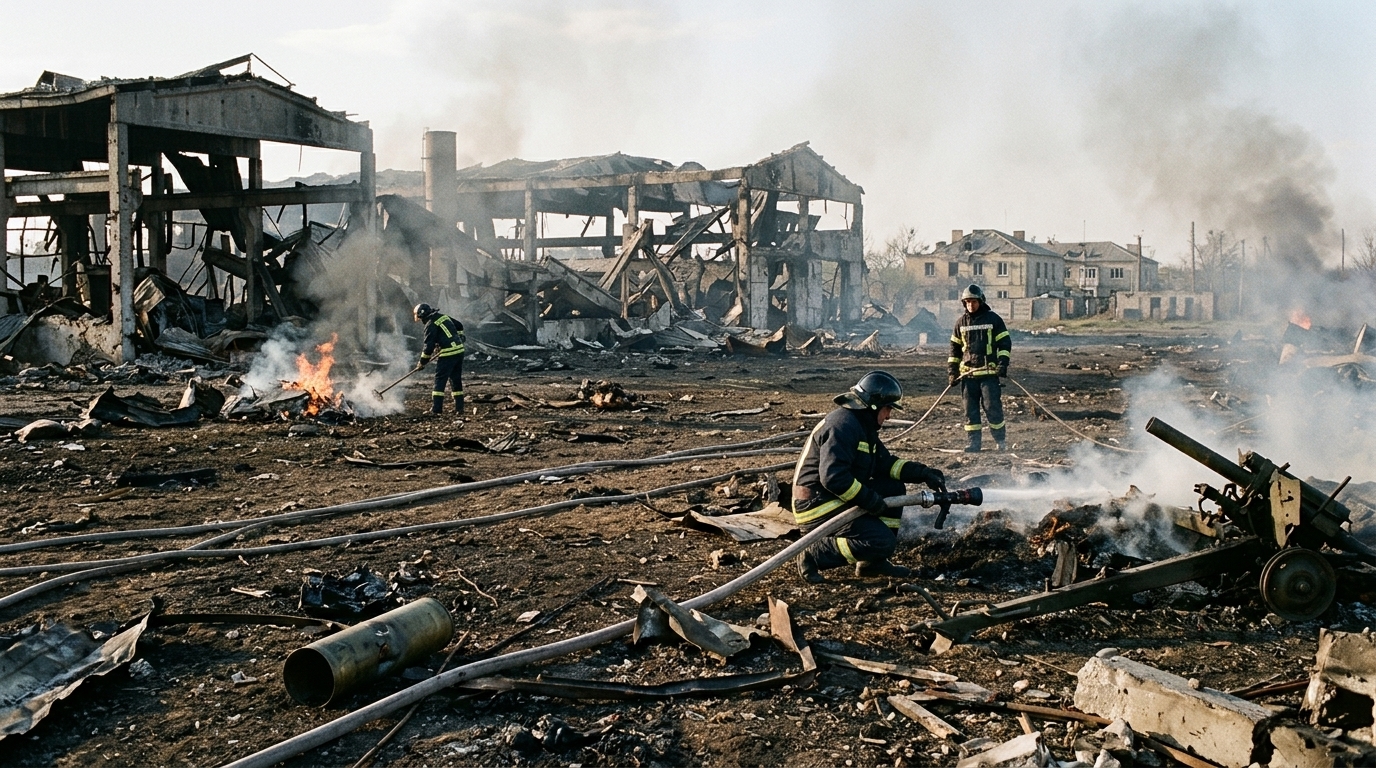
One of the primary reasons Russia is "stumbling" on the battlefield is its adherence to tactics reminiscent of the First World War. The so-called "meat grinder" strategy, where waves of soldiers are sent into frontal assaults against fortified positions, has led to casualties unprecedented in modern conflict. Western intelligence estimates point to hundreds of thousands of killed and wounded, forcing the Kremlin to resort to extreme recruitment methods.
Vladimir Putin’s reluctance to declare a general mobilization, fearing domestic social backlash, has led to a "stealth" mobilization. This involves disproportionate recruitment from Russia's poorer provinces, the use of mercenaries from the Global South, and the offer of exorbitant salaries that strain the state budget. The result is a military with low morale, inadequate training, and a lack of cohesion, struggling to execute complex combined-arms operations.
The Drone Revolution and the Obsolescence of Armor
In the technological arena, Russia was caught off guard. The dominance of Ukrainian FPV (First-Person View) drones has turned the battlefield into a "kill zone" for Russian armor. The sight of vintage T-54 and T-55 tanks, pulled from Soviet-era storage, being destroyed by $500 off-the-shelf drones highlights the technological gap and the failure of the Russian defense industry to adapt quickly to the needs of modern warfare.
- Ukraine has managed to create a "digital fence," making large-scale Russian troop movements visible and vulnerable in real-time.
- Russian air defenses, though formidable, struggle to cope with swarms of small drones targeting strategic infrastructure within Russia, such as refineries and ammunition depots.
- The use of Electronic Warfare (EW) systems has become the new "key" to the conflict, with Russia desperately trying to claw back lost ground.
Russia's inability to achieve air superiority, despite the overwhelming numerical advantage of its air force, remains one of the greatest mysteries and failures of the invasion. The effectiveness of Ukrainian anti-aircraft systems, bolstered by Western aid, has forced Russian aircraft to operate from great distances, reducing their precision and impact on the frontline.
Supply Chains and Dependency on Third Parties
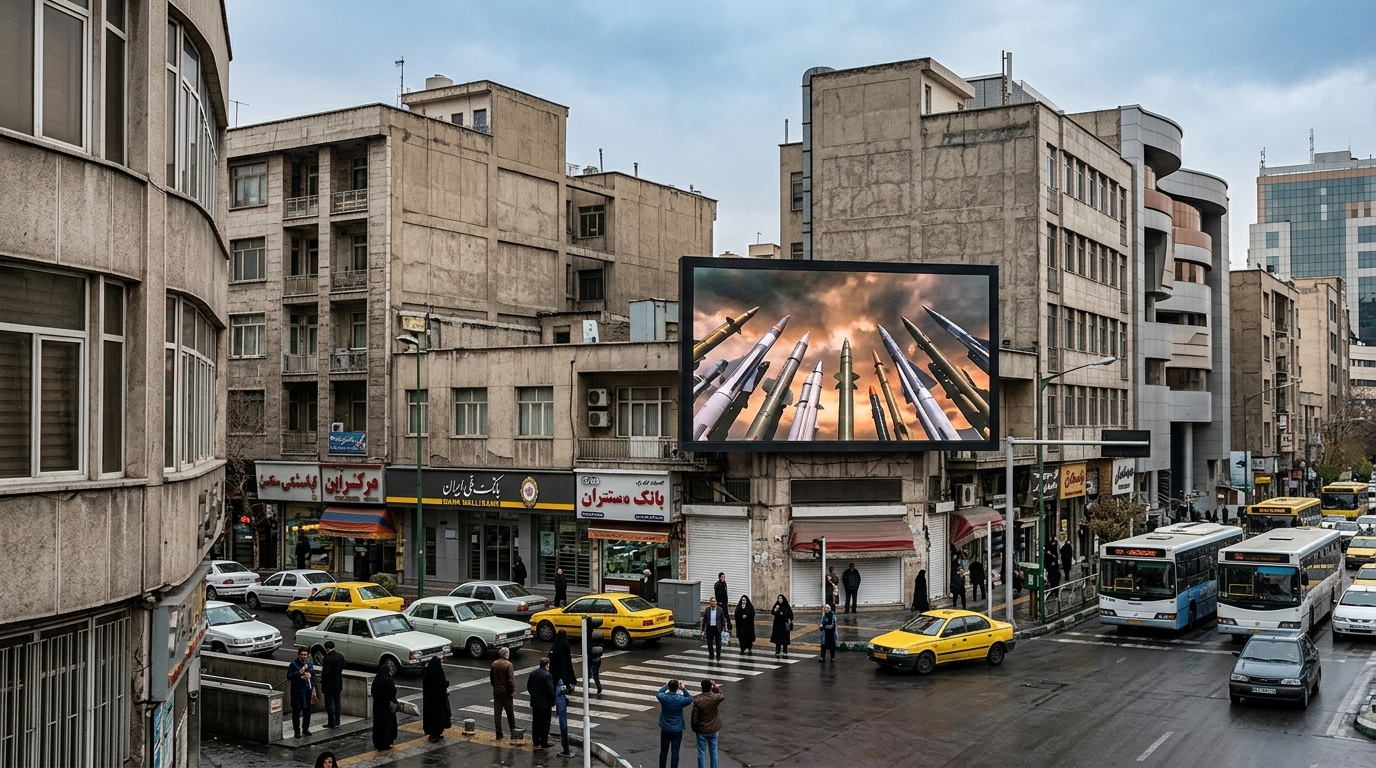
The Russian war economy, though resilient, is showing cracks. Reliance on North Korea for artillery shells and Iran for suicide drones testifies to the domestic industry's inability to keep pace with the front's consumption rates. Meanwhile, Western sanctions, while not collapsing the Russian economy, have made access to critical high-tech components extremely difficult and expensive.
"Russia isn't running out of weapons, but it is running out of quality weapons. Replacing a lost T-90 with a T-62 isn't just an equipment downgrade; it's a strategic regression," military analysts note.
In conclusion, Russia finds itself trapped in a war of attrition it did not foresee. Its numerical superiority remains the most significant factor preventing its collapse, but the lack of strategic innovation, massive losses, and technological lag are forcing it into a slow, bloody, and deadlocked war that tests the very endurance of the Russian state.