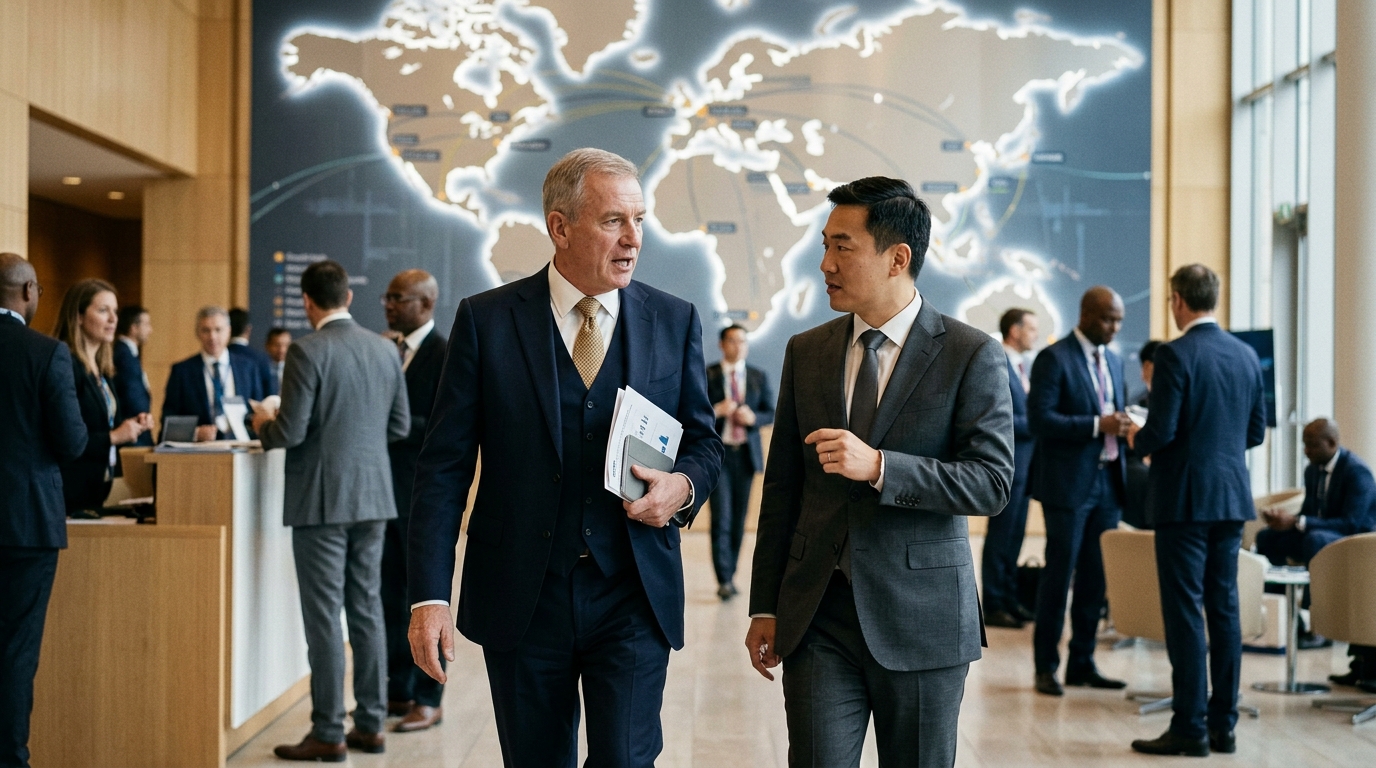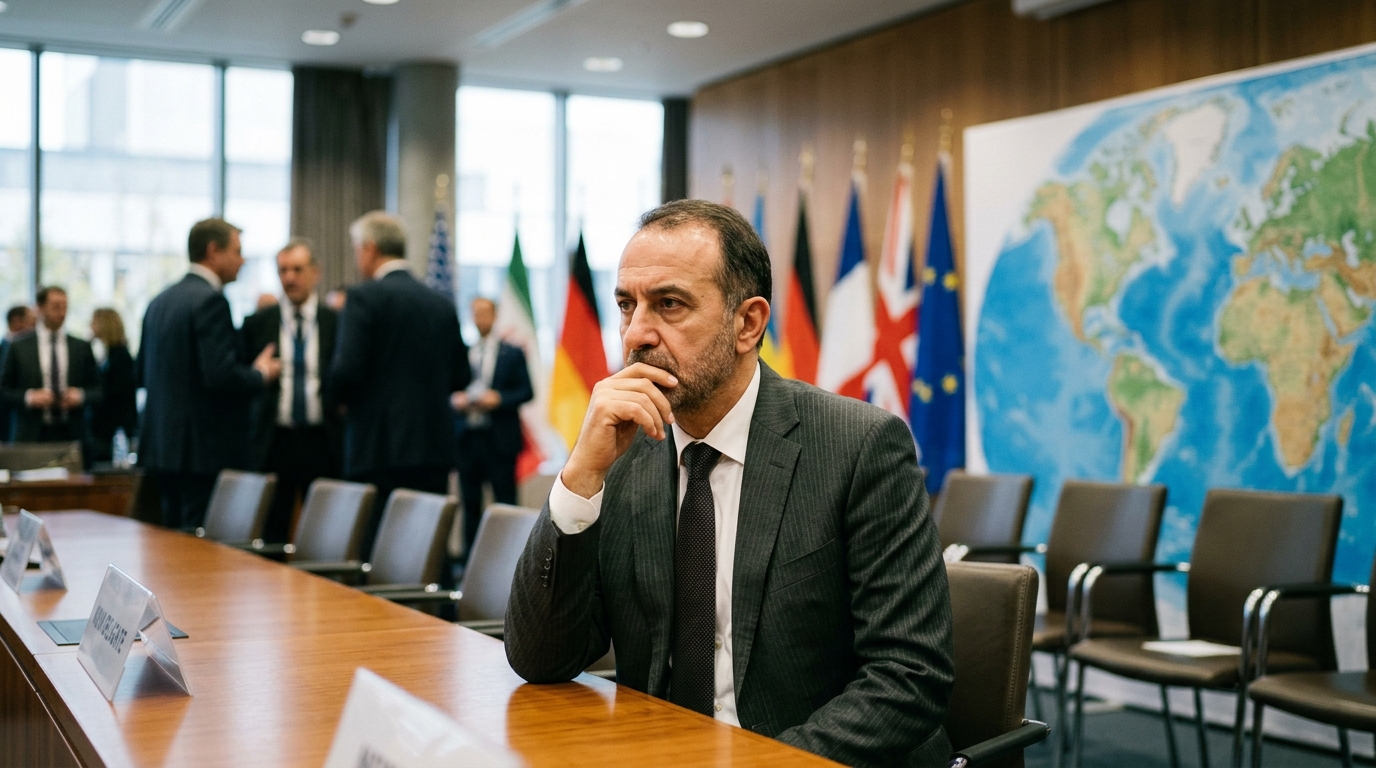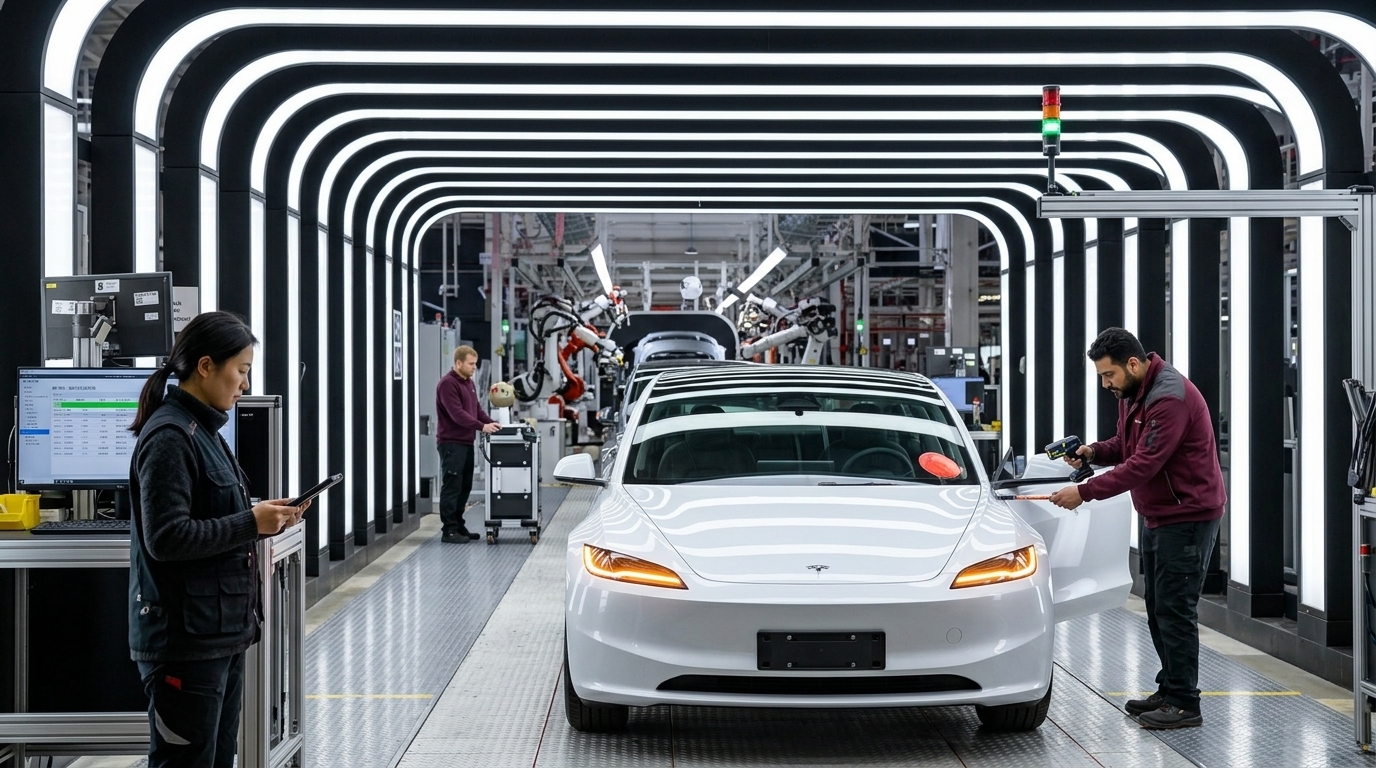
In a move poised to reshape the global automotive and artificial intelligence landscape, Tesla has officially announced the rollout of its Full Self-Driving (FSD) system in the Chinese market. This development, the culmination of intense diplomatic maneuvering and strategic technological concessions, is far more than a mere business expansion; it is a profound geopolitical statement. Coming on the heels of the high-stakes summit between Donald Trump and Xi Jinping in Beijing, the timing suggests that autonomous driving technology has become a pivotal bargaining chip on the international chessboard.
The Data Wall and the Baidu Alliance
For years, Tesla's primary obstacle in China wasn't competition, but data security. The Chinese government harbored long-standing concerns that the cameras and sensors on Tesla vehicles could harvest sensitive information regarding national infrastructure. To break this deadlock, Elon Musk forged a strategic alliance with Chinese tech giant Baidu. The agreement facilitates the use of Baidu’s high-precision mapping and, crucially, ensures that all data generated by Chinese vehicles is stored and processed within Chinese borders.
This concession on data sovereignty was the key that unlocked the world’s largest electric vehicle (EV) market. Yet, the challenge remains formidable: Tesla’s FSD relies on a vision-only approach using cameras, contrasting with Chinese manufacturers who utilize a sophisticated suite of LiDAR, radar, and cameras. The success of Tesla’s neural network algorithms in the chaotic urban environments of Chinese megacities will serve as the ultimate litmus test for the company’s AI-driven philosophy.
Facing the Local 'Dragons'
Tesla is not entering a vacuum. It is stepping into a battlefield where domestic champions like BYD, Xpeng, and the newly entered Xiaomi have already deployed highly advanced Advanced Driver Assistance Systems (ADAS). Xpeng’s XNGP, for instance, is regarded by many analysts as superior to FSD for China’s specific road conditions. Xiaomi, meanwhile, has integrated its vehicles into a seamless ecosystem of smartphones and home appliances, offering a user experience that Tesla struggles to match locally.
Musk’s decision to bring FSD to China is a calculated attempt to reclaim the brand’s premium allure. As the EV price war intensifies, Tesla seeks to differentiate itself through software. The ability to sell FSD as a subscription or a high-margin one-time purchase offers the company financial breathing room that hardware sales alone cannot provide. It is a bet that American AI software prowess will eventually eclipse Chinese manufacturing scale and battery supply chain dominance.
Geopolitical Implications and the Future of Autonomy
Tesla’s FSD presence in China carries broader implications. It serves as a rare instance of technological synergy amidst an era of "decoupling." If Tesla can prove its system is safe and effective in China, it will set the de facto global standard for autonomous driving. Conversely, Beijing benefits from Tesla’s presence, as the American firm acts as a "catalyst" forcing domestic players to accelerate their own innovation cycles.
However, the risks are palpable. A fresh escalation in trade tensions between Washington and Beijing could abruptly jeopardize Tesla’s operations. Elon Musk is playing a high-stakes game, attempting to maintain favor with both the White House and the Zhongnanhai. In this volatile environment, Full Self-Driving is not merely a technical milestone; it is a tool of economic and political leverage that will determine who leads the fourth industrial revolution.