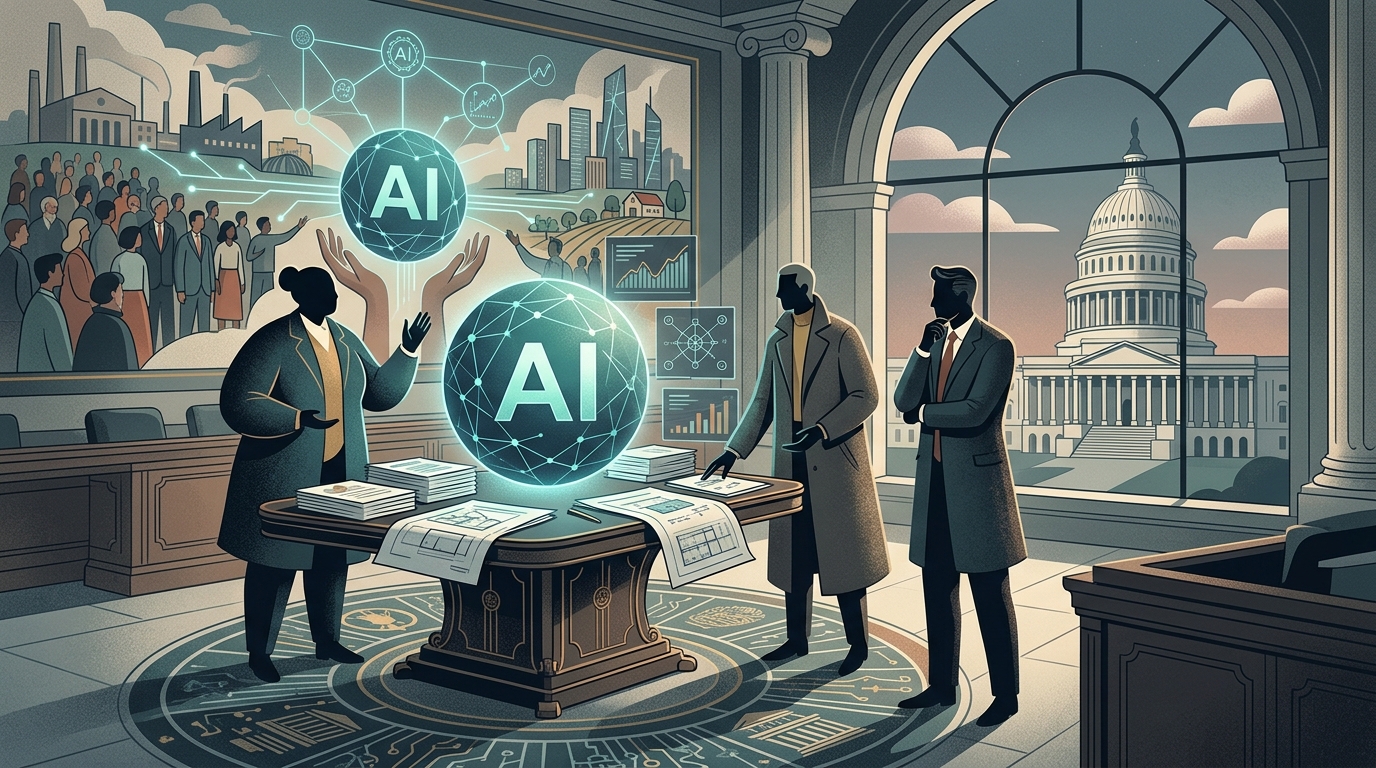
Washington is at a critical crossroads as AI policy shifts from precautionary regulation to active defense. Following a period of intense deconstruction of rules established in previous years—culminating in the challenging of the landmark Executive Order 14110—the White House is now attempting to construct a new framework. This pivot is not merely a political change but a fundamental reassessment of technology’s role on the global stage of power.
The Collapse of the Precautionary Model
For a long time, the U.S. government’s approach was rooted in the "precautionary principle." Regulators focused on the risks of algorithmic bias, misinformation, and job displacement. However, the tide has turned dramatically. The new direction, as analyzed by The Washington Post, suggests that Washington now views many of those rules as "anchors" hindering American innovation in the face of Chinese competition.
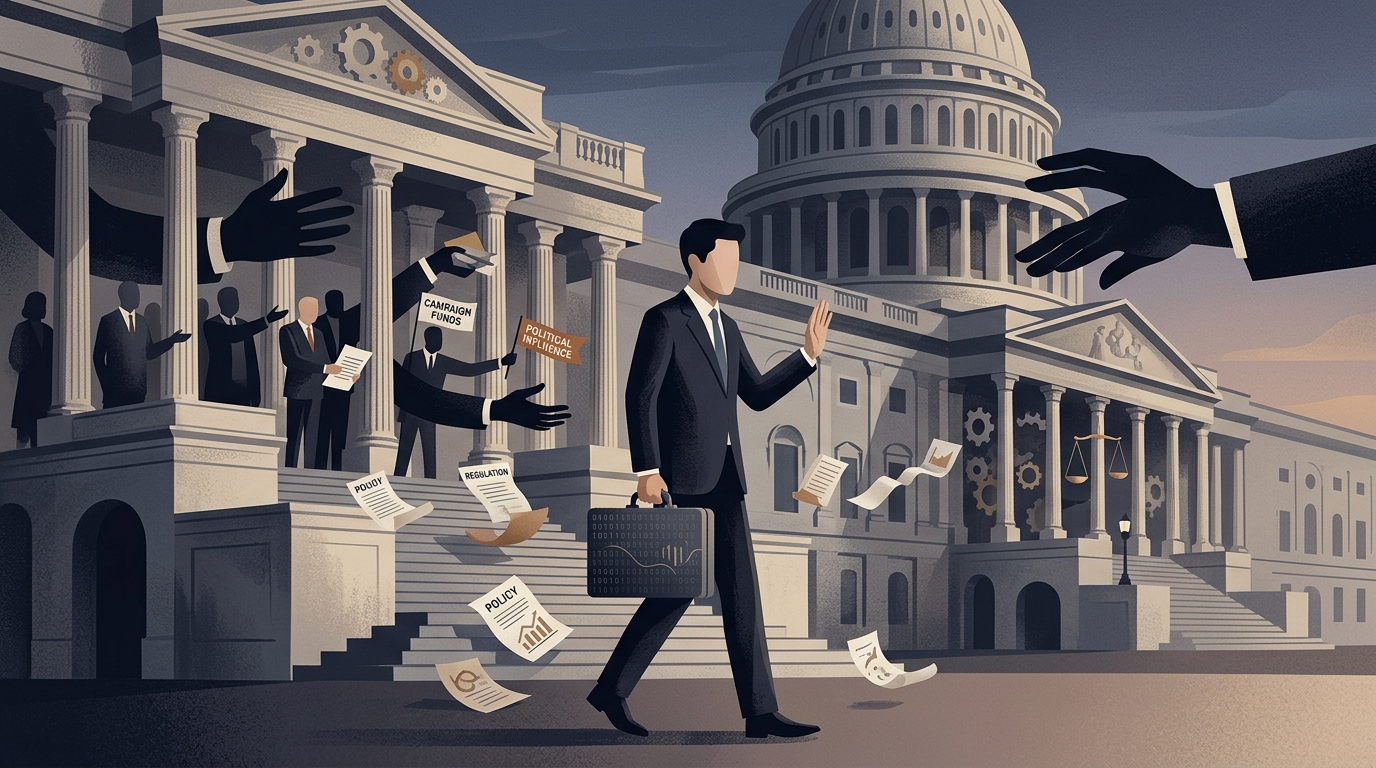
The dismantling of the old rules was not accidental. There was concerted pressure from tech giants and political circles arguing that over-regulation would relegate America to second place. By removing mandatory safety reporting for large language models, the administration sent a clear message: speed is now the ultimate priority. Yet, the complete absence of rules created a security vacuum that even the most ardent proponents of deregulation could not ignore.
Building "New Defenses": The National Security Pivot
Instead of horizontal rules covering every aspect of AI, the White House is now focusing on what is termed "targeted defense." This includes protecting critical infrastructure, preventing the use of AI for biological weapon creation, and hardening electoral processes. It is a transition from "user safety" to "state security."
According to administration sources, the new defenses will not rely on bureaucratic constraints but on close collaboration with tech companies. The AI Safety Institute is being repurposed, not as a monitor, but as a partner helping companies identify vulnerabilities before they are exploited by foreign adversaries. This model of "collaborative defense" seeks to marry market freedom with the necessity of national protection.
"We cannot regulate the future with tools of the past. We must build walls where there is real danger, leaving the rest of the field free for growth," says a senior official from the National Security Council.
The "China Factor" and Techno-Nationalism
The driving force behind this restructuring is strategic competition with Beijing. Washington realizes that AI is the "nuclear energy" of the 21st century. If the U.S. imposes strict rules on its own developers while China moves forward without constraints, the result would be a geopolitical catastrophe for the West. Thus, the "new defenses" also include strict export controls on chips and limiting foreign access to American cloud computing resources.
This "techno-nationalism" means AI is no longer treated as a commercial product but as a sovereign instrument of power. The new rules being built aim to ensure that American AI remains the most powerful, yet also the most well-protected against espionage and sabotage. It is a delicate balance requiring constant monitoring and flexibility.
Conclusions and Challenges
The transition from dismantling to building new defenses is not without risks. Critics argue that focusing exclusively on national security leaves citizens unprotected from the daily impacts of AI, such as hiring discrimination or privacy violations. Furthermore, relying on the goodwill of tech giants to implement these "defenses" raises questions about accountability.
The year 2026 finds the U.S. experimenting with a hybrid model. The success of this venture will determine whether democracy can keep pace with exponential technological growth or if the need for security will ultimately lead to a new type of digital authoritarianism, even in the West. Washington tore down the old rules because they were cumbersome; the new defenses it builds must be strong enough to protect, yet light enough not to stifle creativity.