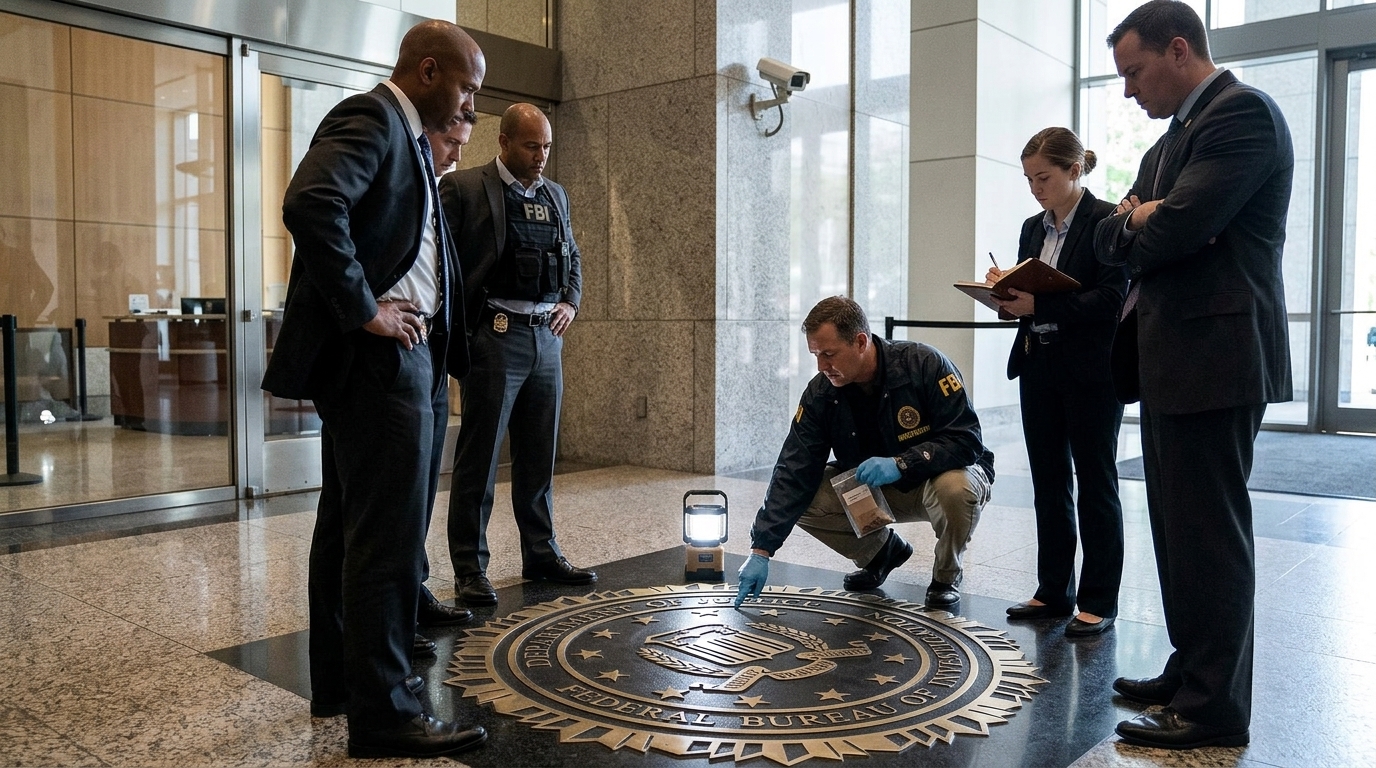
The story began as a series of "strange" reports in tabloid newspapers, the kind that usually end up in the scrapheap of serious journalism. However, in April 2026, reality proved darker than any headline. The FBI has officially confirmed the launch of an extensive investigation into the cases of ten scientists who were either found dead under suspicious circumstances or vanished without a trace over the past 18 months. Their common thread? All had access to classified government secrets regarding artificial intelligence, quantum computing, and biotechnology.
A Mosaic of Death and Mystery
The case, which has sent shockwaves through the U.S. scientific community, involves researchers working at premier laboratories such as Los Alamos and Oak Ridge, as well as private defense contractors. The details emerging are chilling. A top cryptographer was found dead in his home with no signs of struggle, while a neural network researcher disappeared during a conference in Singapore, leaving all her personal belongings behind.
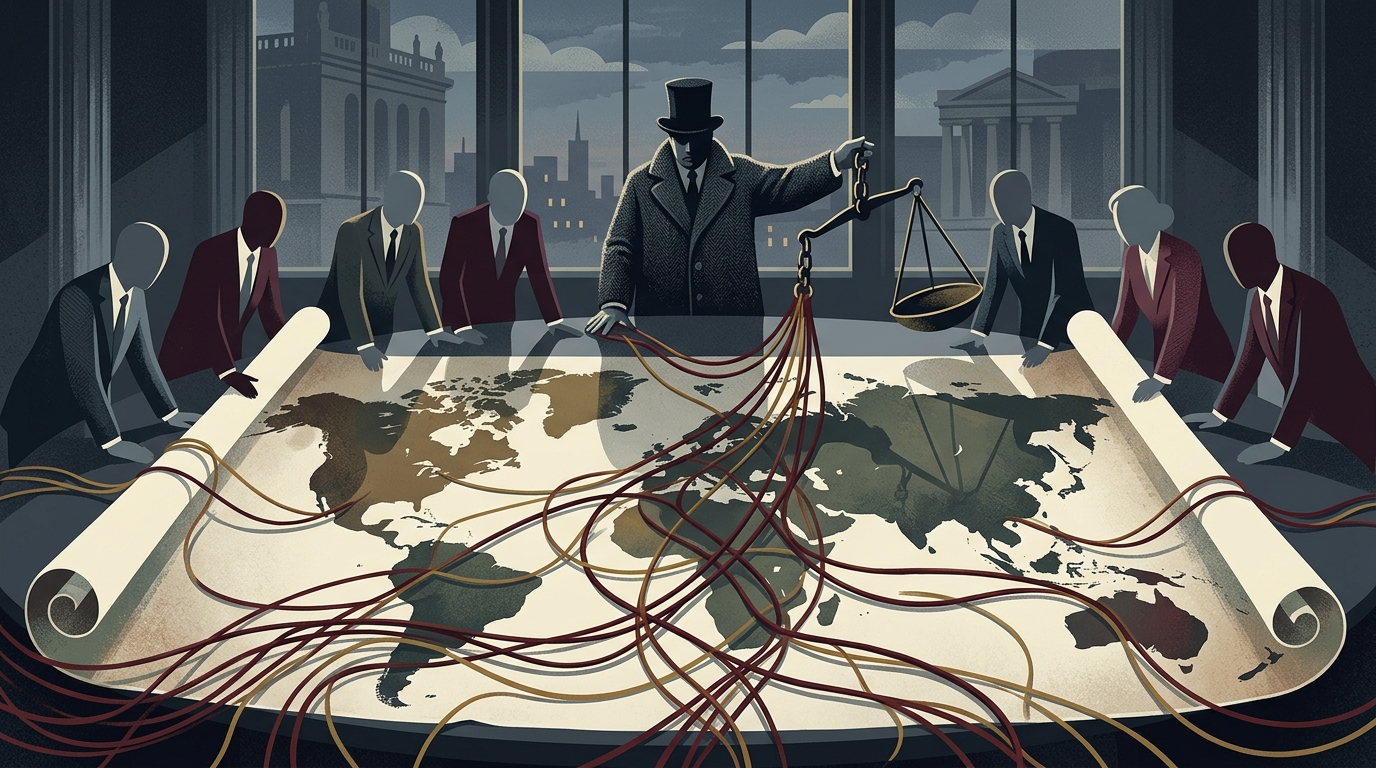
Initially, local authorities treated these incidents as isolated events. It took the persistent investigation of independent journalists and pressure from tabloid outlets—which connected the dots that official bureaucracy ignored—to mobilize the FBI. The suspicion is now clear: this is an orchestrated operation by foreign intelligence services aimed at either extracting critical data or neutralizing the American advantage in the AI arms race.
Science as a Battlefield
In the world of 2026, knowledge is not just power; it is the ultimate weapon. The shift from traditional espionage, where the target was documents, to "human espionage," where the target is the scientist themselves, marks a dangerous escalation. Security analysts point out that the loss of a single top-tier researcher can delay a critical program by years, giving an adversary the necessary time to close the gap.
"They aren't stealing the software anymore; they are stealing the people who know how to rewrite it," a counterintelligence official stated anonymously.
The FBI investigation is now focusing on a specific group of foreign agents allegedly using sophisticated social engineering and cyberattacks to identify and approach their targets. Scientists, often absorbed in their work and less trained in personal security matters, represent the "soft targets" in an undeclared war.
The Failure of Internal Security
The fact that it took yellow journalism to trigger a federal investigation raises serious questions about the effectiveness of U.S. security protocols. How is it possible that the disappearance of individuals with such high-level clearance did not immediately trigger an alarm? The answer may lie in the system's over-reliance on digital firewalls, neglecting the physical security of the people behind them.
- Inadequate monitoring of the movements of high-clearance scientists.
- Lack of communication between local police forces and federal agencies.
- Underestimation of warning signs from the victims' close circles.
This situation has led to a climate of fear within academic and research institutions. Many scientists now refuse to travel abroad or participate in international forums, fearing for their lives. This "isolation of knowledge" could have long-term consequences for global scientific progress, as collaboration gives way to suspicion.
The Future of the Investigation
As the FBI examines the digital footprints and financial transactions of the victims, geopolitical tensions are rising. If it is proven that a foreign power is behind these deaths, the diplomatic consequences will be immeasurable. Already, members of Congress are calling for stricter protection measures for researchers working in "sensitive" fields, even suggesting the provision of personal security details in some cases.
The case of the 10 scientists is a reminder that in the age of AI, the most valuable asset remains the human brain. And in a world thirsty for dominance, the holders of this knowledge are now on the front lines, often without even knowing it themselves.