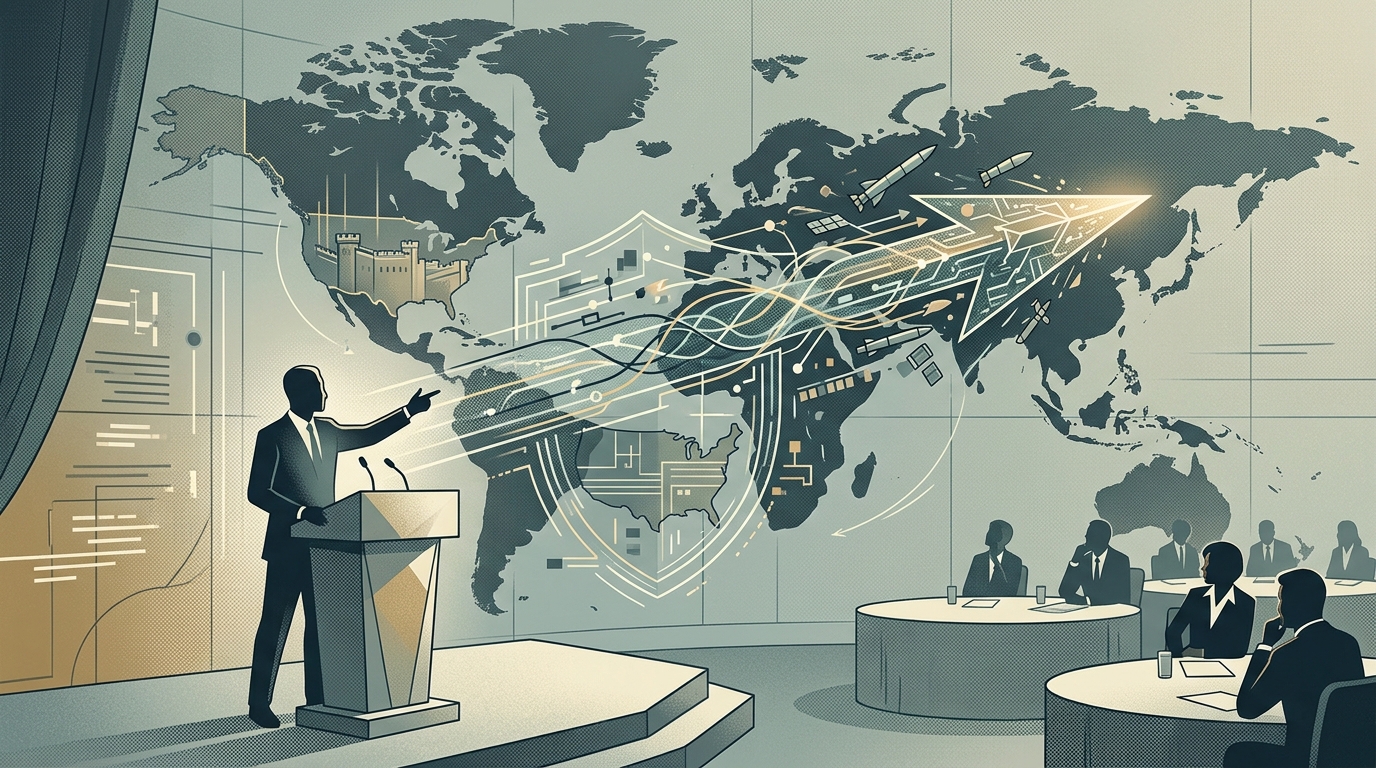
For decades, the Strait of Hormuz has been the primary nightmare for energy analysts. A narrow strip of water separating Iran from Oman, through which 20% of the world's oil consumption flows. However, in 2026, the geopolitical chessboard has shifted significantly. While oil remains critical, a new, more invisible threat is emerging from the seabed: the potential disruption of subsea fiber-optic cables connecting Europe to Asia.
Recent rhetoric from Tehran, highlighting the vulnerability of this infrastructure, is not merely a military threat; it is a stark reminder that the global digital economy rests on an exceptionally fragile physical foundation. If the Strait of Hormuz were to be "closed" digitally, the consequences could far exceed a simple spike in gasoline prices.
The World's Digital Artery
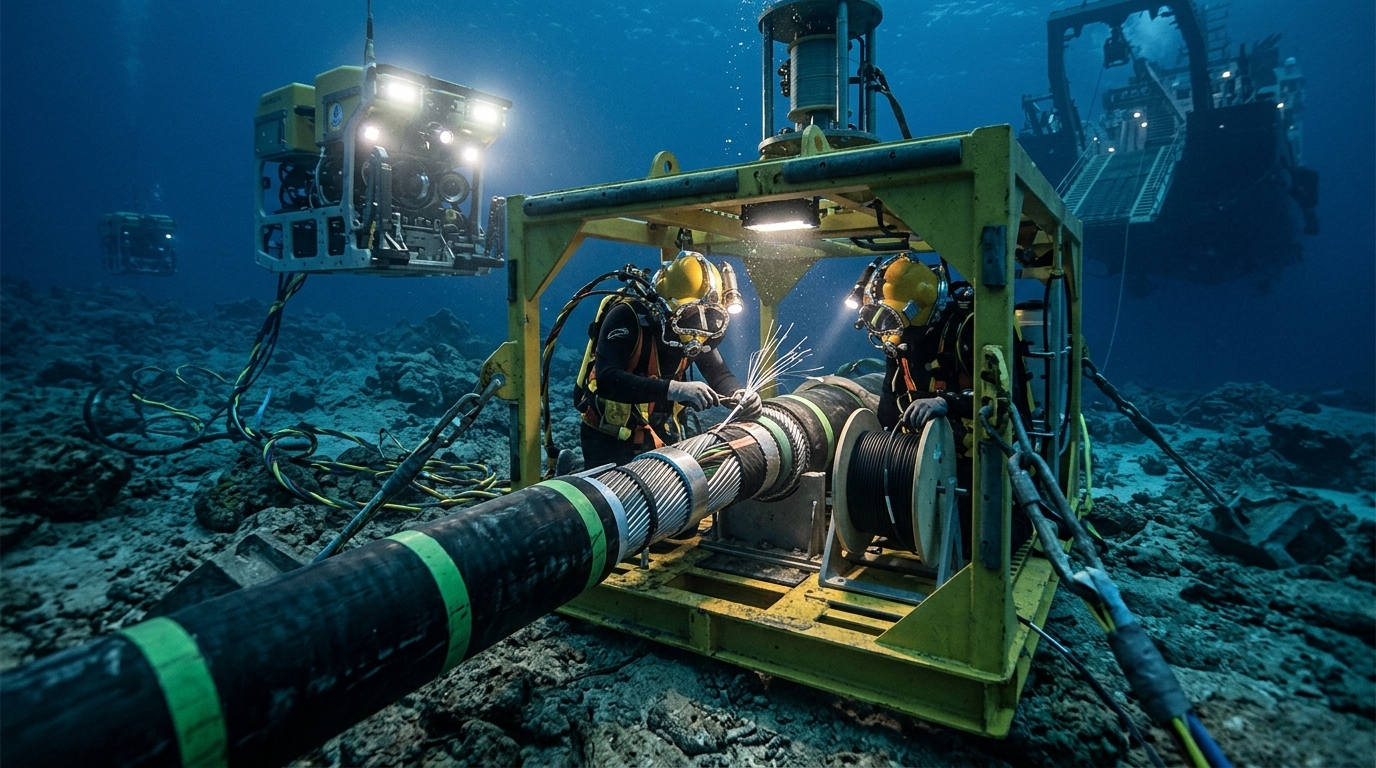
Subsea cables are the unsung heroes of the information age. Over 97% of intercontinental data—ranging from banking transactions and government secrets to daily video calls—is carried via these cables, which are often no thicker than a garden hose. The Strait of Hormuz and the broader Gulf region represent a critical bottleneck for this infrastructure.
- Europe-Asia Connectivity: Most cables linking the financial hubs of London and Frankfurt with Hong Kong and Singapore pass through this volatile region.
- Financial Stability: High-frequency trading (HFT) relies on the ultra-low latency provided by these specific routes.
- Cloud Computing: Data centers in the Gulf, serving millions of users, depend on uninterrupted connections to the global grid.
The strategic importance of these cables makes them ideal targets for "hybrid warfare." Unlike surface military engagements, underwater sabotage is difficult to attribute immediately, providing the perpetrator with the advantage of "plausible deniability."
Geopolitical Leverage and Iran's Tactics
Tehran is well aware that its power lies not only in the shipping lanes but also in the data lanes. Analysts point out that targeting subsea infrastructure is part of a broader deterrence strategy. In a period of heightened tensions with the West, Iran can use the threat of digital isolation as a powerful lever.
"The ability to influence data flows is the modern version of a naval blockade. You don't need to sink ships to paralyze an economy; you only need to cut the cable that carries its banking instructions," says a senior telecommunications security executive.
The situation is further complicated by the fact that repairing these cables in a conflict zone or an area controlled by hostile forces is practically impossible. Specialized cable-laying and repair vessels are scarce globally and highly vulnerable to attack, making any damage potentially permanent for an extended period.
Economic Impact and the Drive for Diversification
An extended disruption of cables in the Strait of Hormuz would trigger a global shock. Financial markets would face unprecedented liquidity issues as clearing systems fail to communicate in real-time. Furthermore, modern industry's heavy reliance on cloud services means that factory production thousands of miles away could grind to a halt.
In response to this risk, we are seeing a strategic shift toward route diversification. Projects like the Google-backed "Blue-Raman" cable seek to connect India to Europe via Jordan and Israel, bypassing traditional routes through the Red Sea and the Gulf. However, geography is unforgiving: alternatives are limited and often traverse equally unstable regions.
In conclusion, the Strait of Hormuz is no longer just an energy issue; it is a critical node of digital sovereignty. Protecting subsea cables requires a new form of international cooperation and investment in security technologies, as our world becomes increasingly dependent on invisible threads that literally hang by a wire on the ocean floor.