The era of Artificial Intelligence (AI) demands not only ingenious algorithms and billions of parameters but also an unprecedented amount of electrical power. As Mark Zuckerberg's Meta shifts its focus from the Metaverse to generative AI, it faces an existential hurdle: Earth's traditional power grids are unable to keep pace with the speed of data center expansion. The solution proposed by the tech giant transcends our planet's boundaries, exploring Space-Based Solar Power (SBSP) and advanced storage technologies.
The AI Energy Crisis
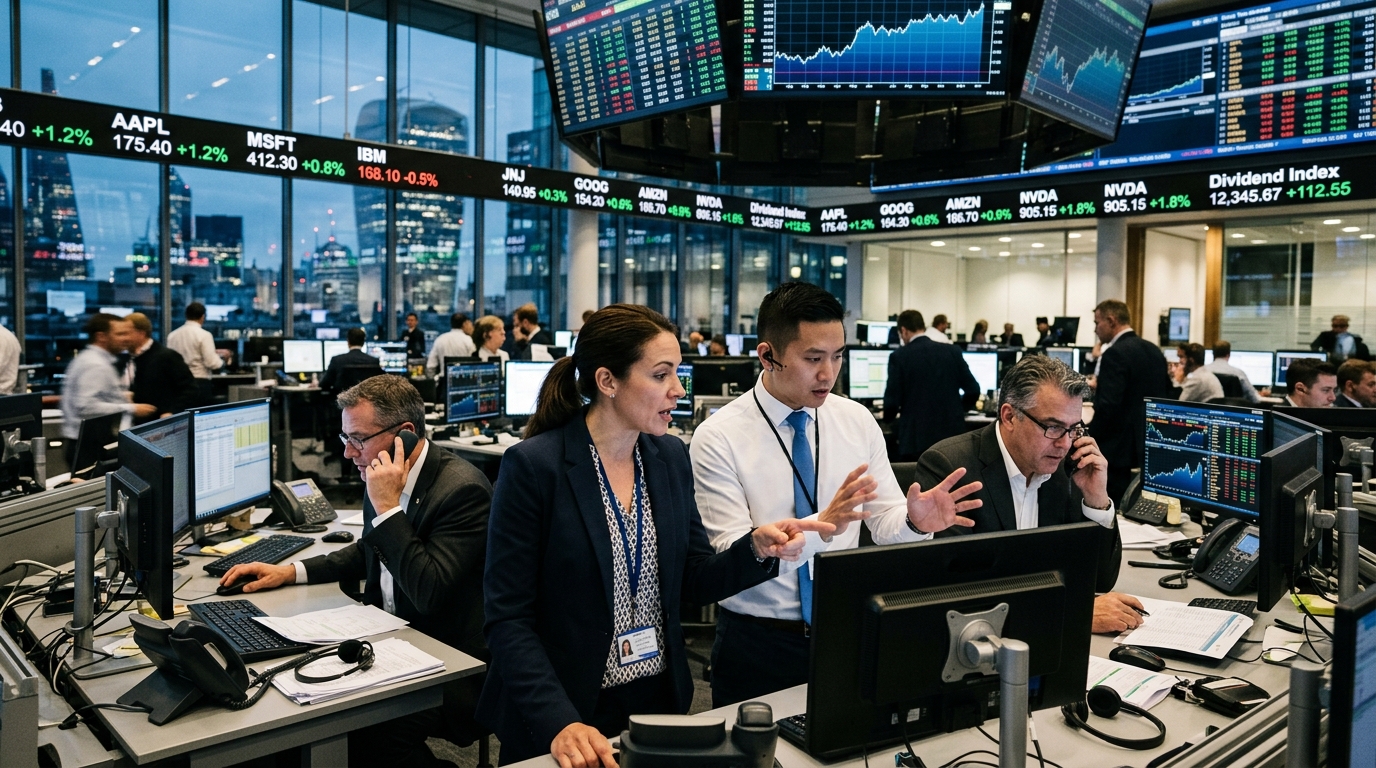
To understand the scale of the challenge, one only needs to consider that training a large language model, like Llama 3, requires thousands of GPUs (Graphics Processing Units) running non-stop for months. These units consume vast amounts of energy, not only for their operation but also for cooling the facilities. Meta, like its competitors Microsoft and Google, has committed to net-zero carbon emissions, but the reality of AI makes these goals extremely difficult to achieve. Solar and wind energy on Earth are intermittent — the sun sets and the wind stops. The need for 'baseload power' available 24/7 is driving Meta toward radical explorations.
Space-Based Solar Power: Science Fiction or Reality?
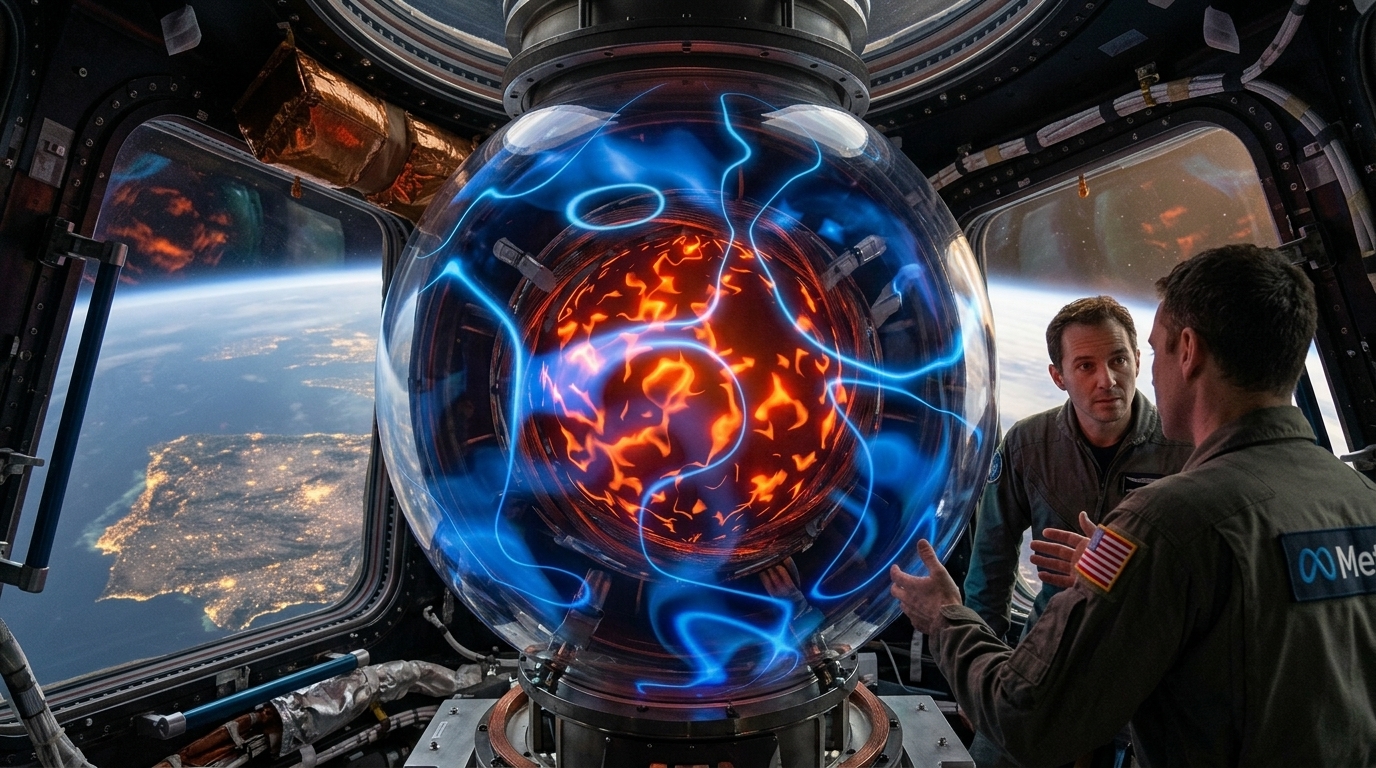
The idea of collecting solar energy in space and transmitting it to Earth via microwaves or lasers is not new, but the economic conditions have shifted. With the reduction in launch costs thanks to companies like SpaceX, Meta is seriously considering investing in satellite systems that collect sunlight without interference from the atmosphere or the night cycle. A satellite in geostationary orbit can receive solar radiation nearly 100% of the time. The challenge remains the efficiency of wireless power transfer and the construction of massive receivers (rectennas) on Earth's surface, which would directly feed the data centers.
"We are no longer just building software; we are building the physical infrastructure that will support the intelligence of the future," a Meta executive recently stated, highlighting the company's shift toward heavy energy projects.
Geothermal and Storage: Earthbound Foundations
Alongside its space plans, Meta is investing in more... terrestrial yet equally advanced solutions. Next-generation geothermal energy is a key pillar of its strategy. Unlike traditional geothermal energy, which is limited to volcanic regions, new drilling technologies allow for heat extraction from deeper layers of the Earth's crust almost anywhere. Furthermore, Meta is exploring new long-duration energy storage methods, such as iron-air batteries or thermal energy storage in molten salts, to ensure its data centers never run out of "fuel," even when renewable sources are underperforming.
Economic and Geopolitical Implications
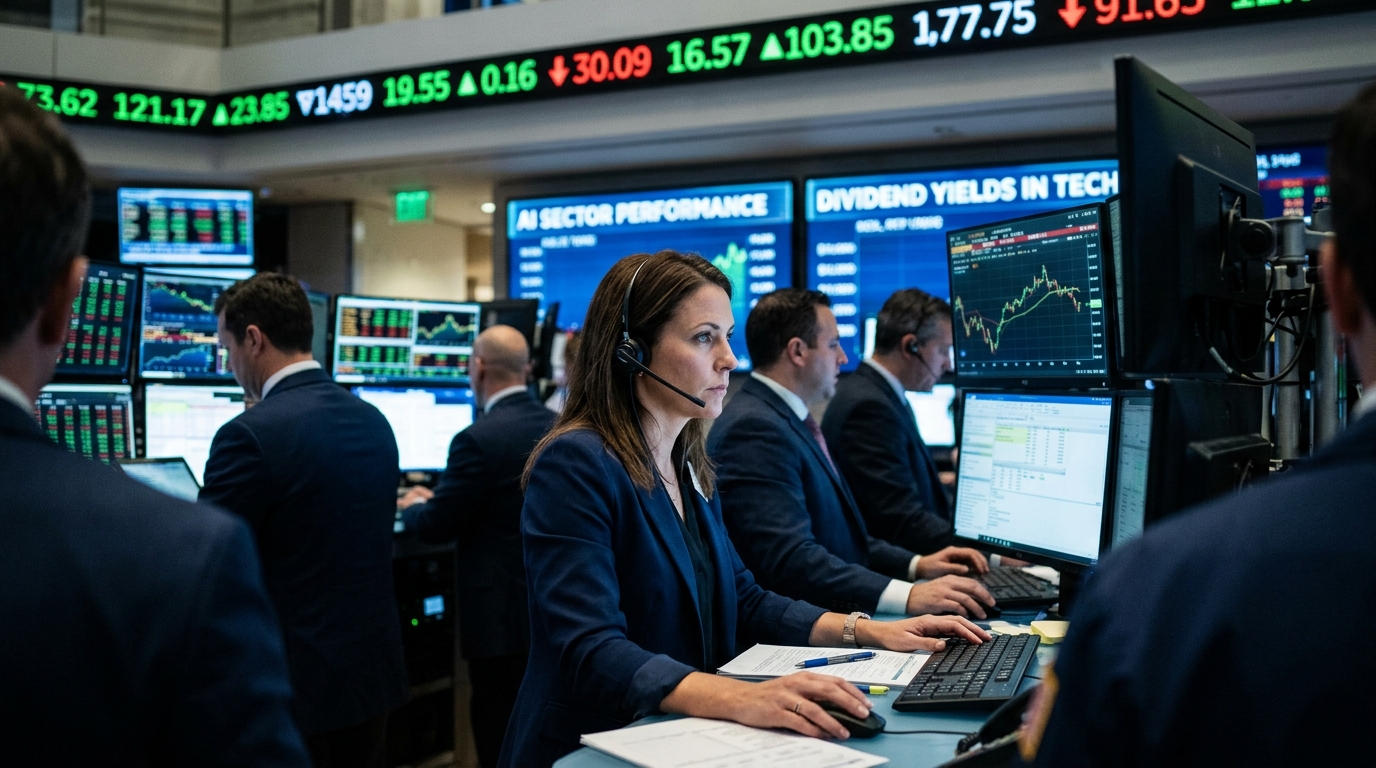
Meta's move is not just environmental; it is purely economic. Controlling the energy supply chain is the new competitive advantage. Whoever possesses the cheapest and most reliable energy will be able to offer the most advanced AI services at the lowest cost. Simultaneously, this trend creates a new form of "corporate sovereignty," where tech giants essentially become independent energy producers, bypassing public grids and influencing the national energy policies of the countries where they operate. Meta is transforming from a social media company into an energy and infrastructure titan, redefining the boundaries of what it means to be a "tech company" in the 21st century.