In a move that fundamentally recalibrates the global balance of power and the architecture of international security, the US Department of Defense has announced a landmark $4.16 billion contract awarded to SpaceX. The deal focuses on the construction and deployment of an advanced constellation of missile-tracking satellites, destined to serve as the technological backbone of President Donald Trump’s ambitious 'Golden Dome' defense initiative. This development is far more than a corporate victory for Elon Musk; it represents a paradigm shift in how superpowers conceptualize defense in the age of hypersonic warfare.
Technical Supremacy in Low Earth Orbit
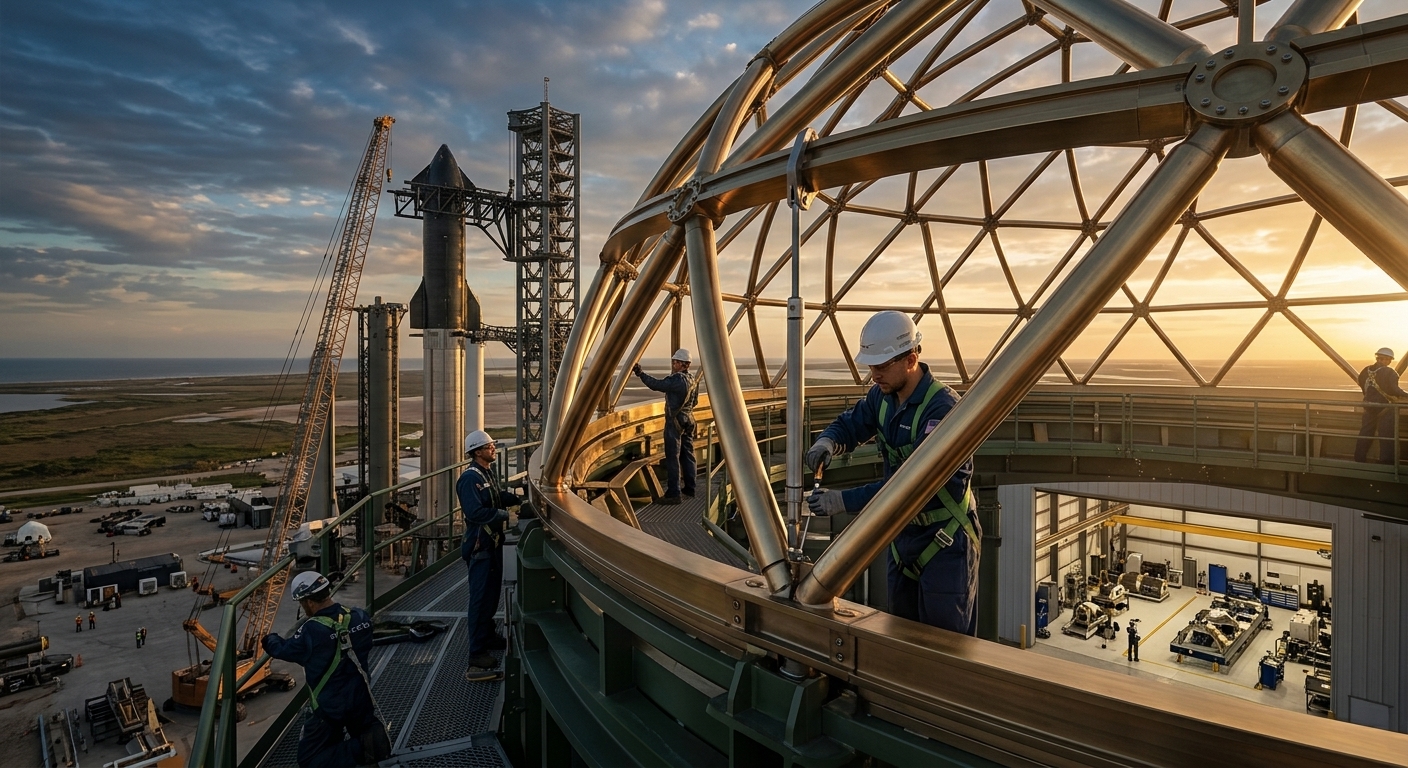
The 'Golden Dome' aims to create an impenetrable shield over American soil. Moving away from legacy systems that relied on a few massive, vulnerable satellites in geostationary orbit, SpaceX’s approach leverages 'proliferation.' Utilizing the mass-production expertise gained from Starlink, the company will deploy hundreds of smaller satellites in Low Earth Orbit (LEO). These satellites, equipped with wide-field-of-view infrared sensors, will possess the capability to detect and track hypersonic missiles—weapons that travel at speeds exceeding Mach 5 and can maneuver mid-flight, making them nearly invisible to traditional terrestrial radar.
The US Space Force emphasized that the selection of SpaceX was predicated on the company's proven ability to manufacture satellites at scale and launch them with unprecedented cadence. Essentially, the Pentagon is not just buying hardware; it is procuring an integrated infrastructure that traditional defense giants like Boeing or Lockheed Martin currently cannot match in terms of cost-efficiency or deployment speed.
Geopolitical Implications and the Rivalry with China
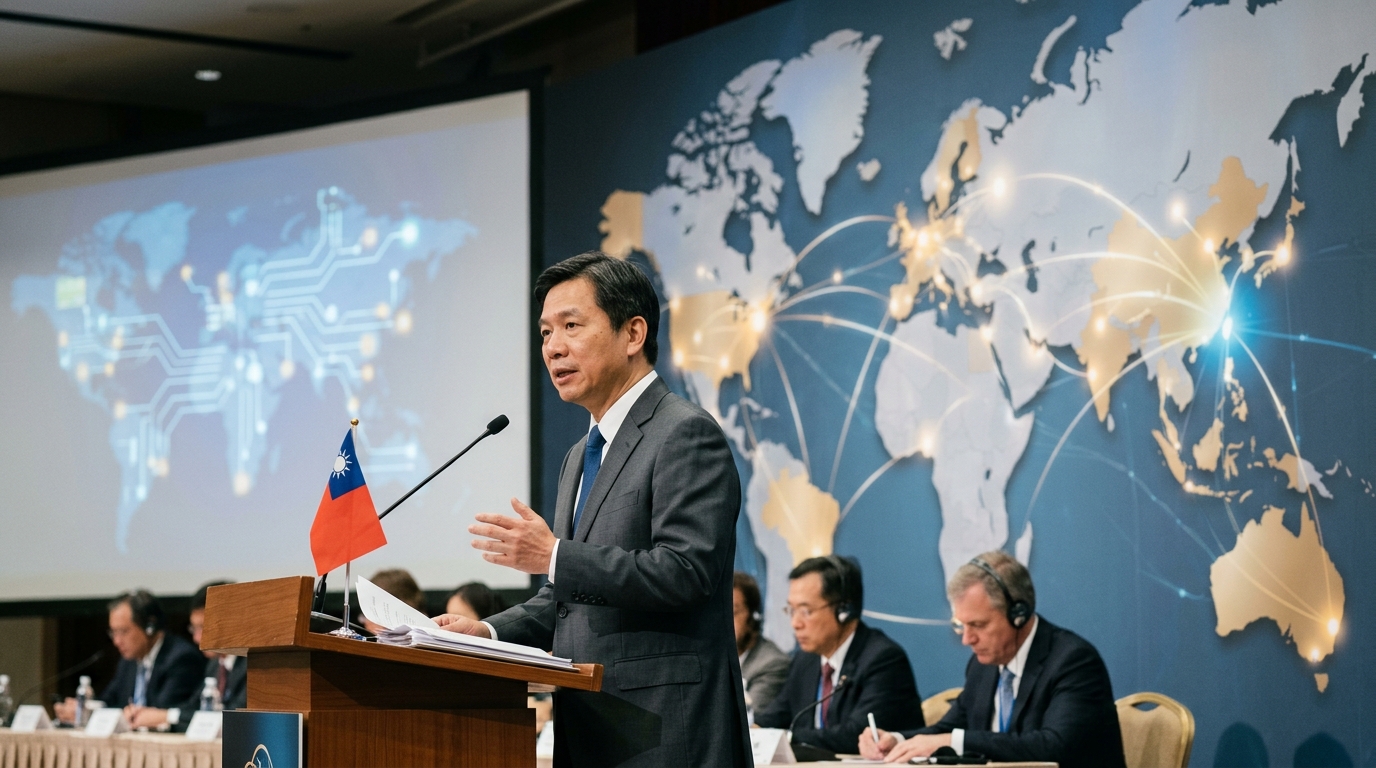
This announcement arrives during a period of heightened friction with China and Russia, both of whom have invested billions into hypersonic technologies specifically designed to bypass US missile defenses. The 'Golden Dome' is Washington’s definitive counter-move. However, the militarization of space on this scale raises profound questions. Moscow and Beijing have already cautioned that such systems could trigger a new arms race, transforming Earth’s orbit into an active theater of conflict.
Furthermore, the reliance of the United States on a single private entity for its national survival is a point of intense debate. Elon Musk, who has occasionally charted his own course in international relations—as seen with the Starlink activation over Ukraine—now holds the 'keys' to the American shield. This $4 billion contract solidifies SpaceX not merely as a launch provider, but as the preeminent defense contractor of the 21st century.
The Ethical and Strategic Dimension
There is also a significant domestic political layer to this story. The 'Golden Dome' is a flagship promise of the current administration, echoing Ronald Reagan’s 1980s 'Star Wars' program (Strategic Defense Initiative). Critics argue that the ultimate costs could balloon, while the efficacy of such a shield against saturated, multi-vector attacks remains theoretically unproven. Nevertheless, the Space Force maintains that sensor technology has advanced to the point where space-based tracking is the only viable solution against modern threats.
In conclusion, this contract signals the end of space as a sanctuary for scientific exploration and the beginning of an era where orbital dominance is the ultimate strategic asset. SpaceX, through its Starshield division, is becoming the invisible sentinel of the West, carrying with it all the risks and opportunities that such power entails for global stability.