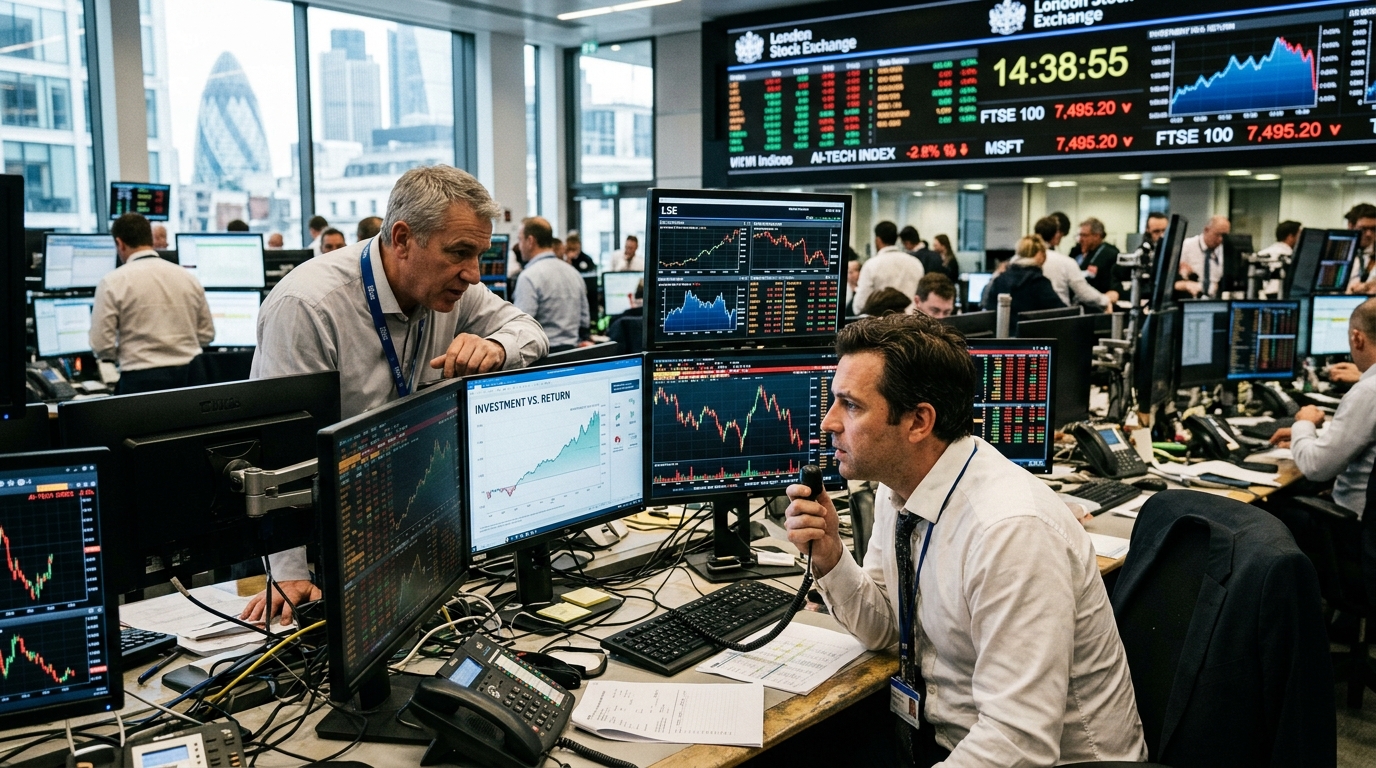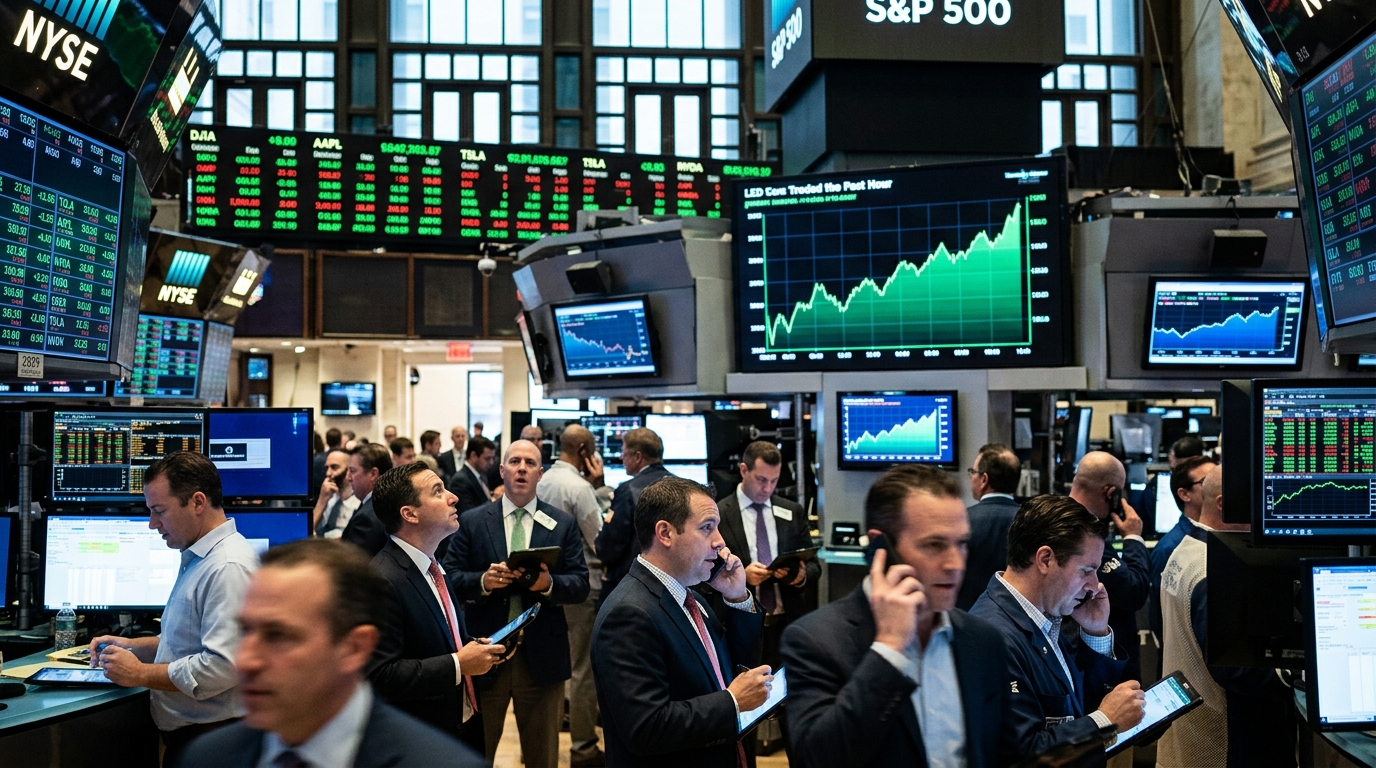
In a trading session that will be etched into the annals of American capital markets, Wall Street shattered every previous record, driven by an explosive combination of technological dominance and diplomatic optimism. As we approach mid-2026, investor sentiment appears to be shedding the fears of the past, focusing instead on the promises of next-generation technologies and the possibility of a more stable geopolitical reality.
The AI Engine as a Growth Catalyst
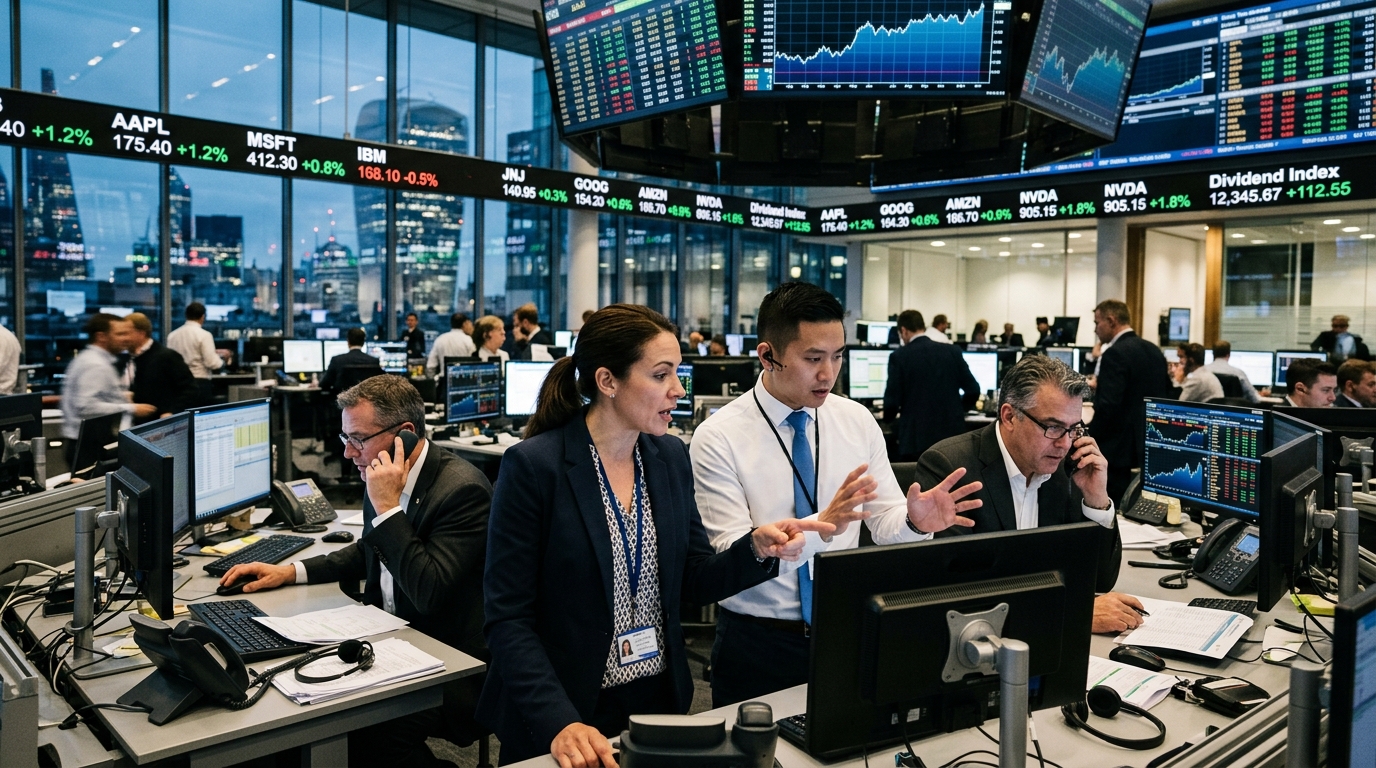
The rise in indices was no coincidence. Technology giants, which have now fully integrated Artificial Intelligence (AI) into their revenue streams, led the charge. Nvidia, Microsoft, and Apple saw their shares strengthen significantly, as quarterly results proved that AI is no longer a theoretical promise but a profit-generating engine. Investors are rewarding the efficiency and scalability offered by automation, driving the Nasdaq to levels many analysts considered unreachable a year ago.
However, the rally was not limited to the well-known 'Magnificent Seven.' We are observing a broadening of the market, where mid-cap software companies and second-tier semiconductor manufacturers are recording double-digit gains. This suggests a healthy circulation of capital, based not just on speculation but on fundamental economic data. The demand for cloud infrastructure and data centers remains insatiable, creating an ecosystem that feeds the entire high-tech supply chain.
The Geopolitical Variable: Hopes for the Middle East
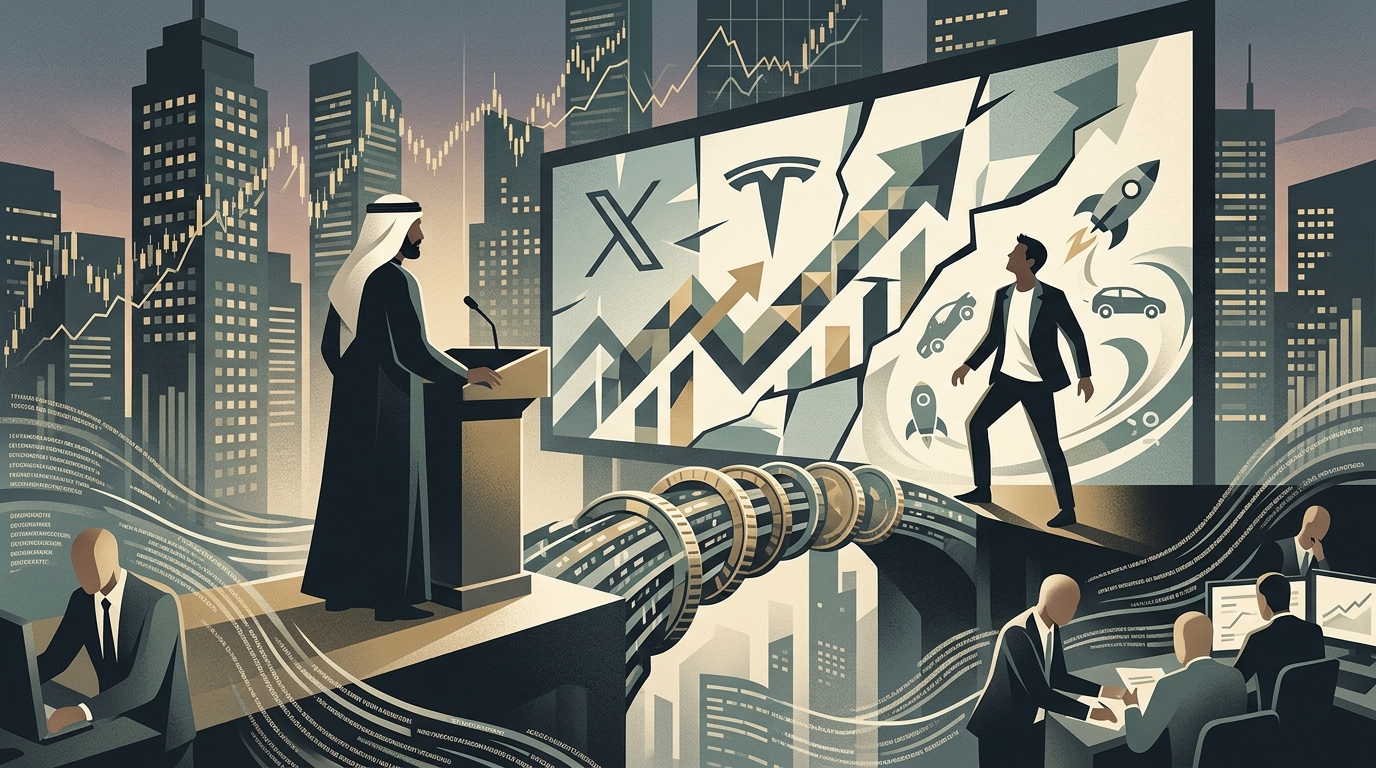
Beyond microchips and algorithms, the macroeconomic picture improved markedly due to news from the diplomatic front. Reports of a potential ceasefire agreement and long-term stabilization in the Middle East acted as a catalyst for reducing the risk premium in international markets. The prospect of a peace settlement affects not only energy prices but also the security of global shipping routes, which is vital for controlling inflation.
"The market is now pricing in peace as an economic asset. The reduction in geopolitical tension allows investors to refocus on corporate earnings rather than headlines of conflict," notes a senior analyst at Goldman Sachs.
The decline in oil prices, which followed news of the negotiations, offered a sigh of relief to the transportation and manufacturing industries. This, in turn, bolsters the belief that the Federal Reserve (Fed) will maintain a more dovish stance regarding interest rates, as inflation appears to be coming under control without requiring a painful recession.
Monetary Policy and the 'Soft Landing' Reality
The Fed's strategy for 2026 seems to be bearing fruit. After a long period of high interest rates, the U.S. economy is showing remarkable resilience. Consumption remains strong, while unemployment stays at historically low levels. The 'soft landing' scenario, which many doubted, is now the prevailing reality. Bond markets reflect this optimism, with yields stabilizing and providing a secure backdrop for further equity gains.
But is it all rosy? Critics warn that valuations in the tech sector are starting to resemble the dot-com era, although proponents argue that today's profits are real and not based on mere hopes. The challenge for the rest of the year will be maintaining this momentum without leading to market overheating. Attention is now turning to the next moves of central banks and the implementation of diplomatic commitments in the Middle East.
Conclusion and Future Outlook
Wall Street's closing at new record highs is not just a number on a screen. It is a reflection of a world betting on innovation and the logic of cooperation over conflict. For the average investor, the current situation offers opportunities but also requires increased vigilance. Portfolio diversification remains the key, as volatility could return if geopolitical hopes are dashed or if AI faces regulatory hurdles.
In any case, May 30, 2026, will be remembered as the day Wall Street embraced the future, leaving behind the shadow of uncertainty that characterized the first half of the decade.