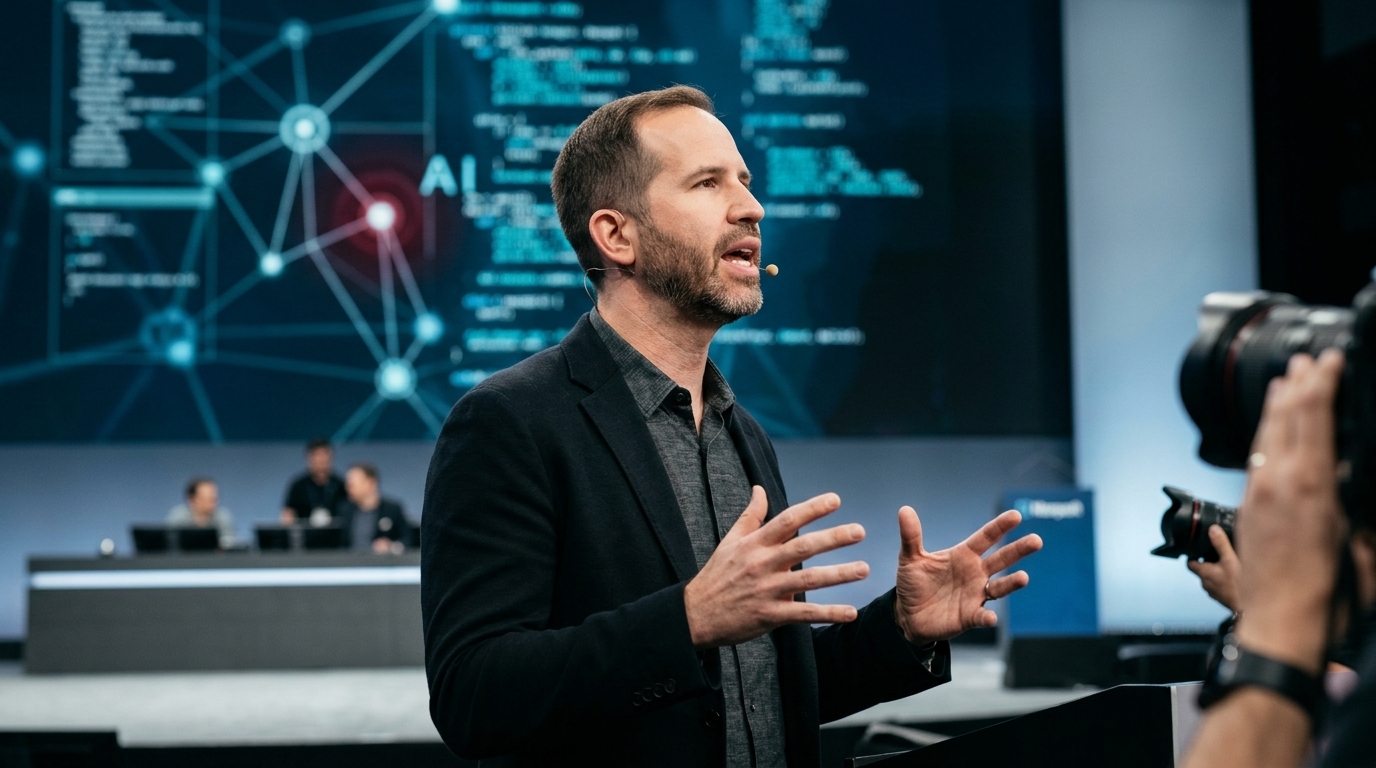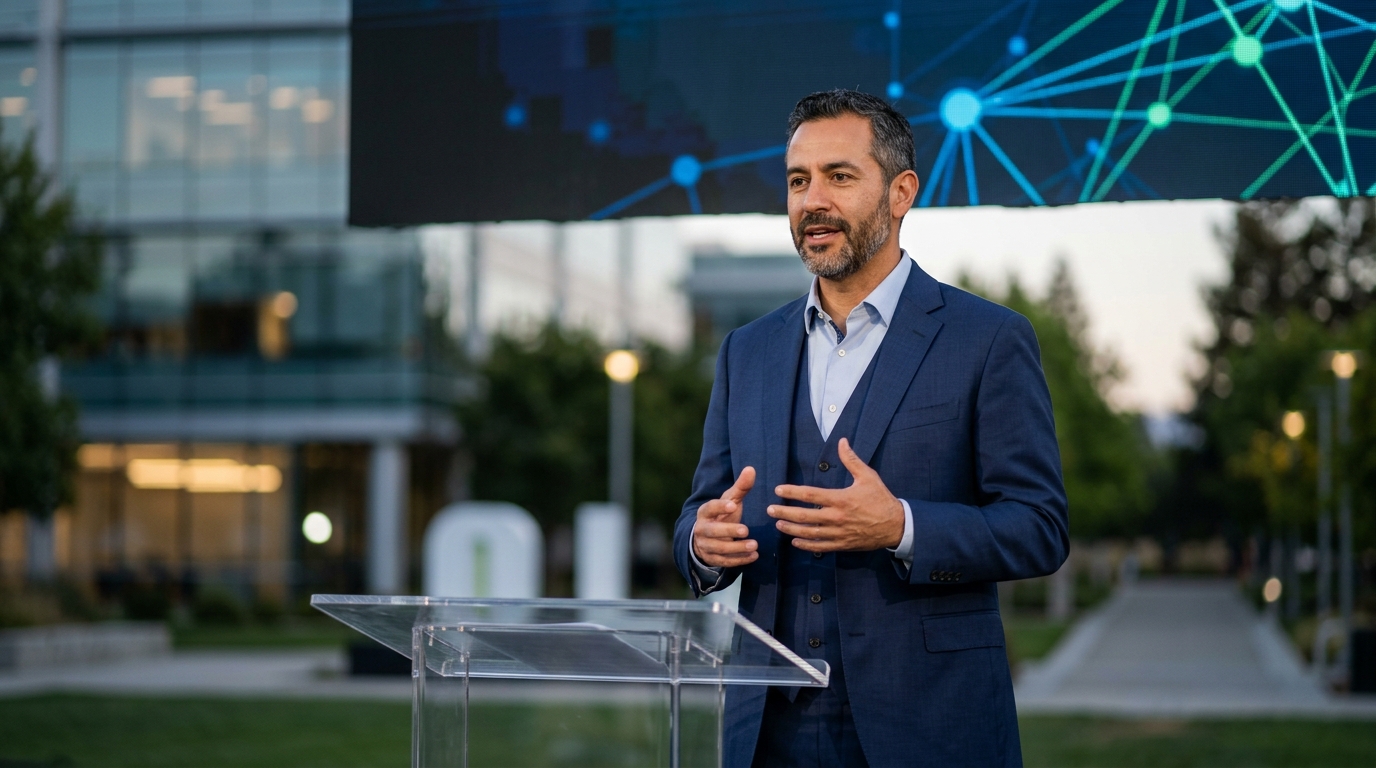
At the dawn of 2026, the discourse surrounding Artificial Intelligence (AI) has shifted from fascination with the capabilities of large language models to their substantive integration into the core of business strategy. Jose Daniel Duarte Camacho, a prominent figure in business analysis, emphasizes that AI is no longer a mere productivity tool but the defining force separating market leaders from laggards. According to Duarte Camacho, a company's ability to adopt AI at a strategic level has become the 'holy grail' of modern competitive advantage.
From Automation to Prediction: The New Strategic Reality
For decades, business technology was primarily used to automate repetitive tasks. However, Duarte Camacho argues that in 2026, the true value of AI lies in its predictive power. Businesses thriving today are those using algorithms to forecast market trends, shifts in consumer behavior, and supply chain disruptions before they occur.
This transition from a 'reactive' to a 'proactive' management model requires a radical overhaul of organizational structures. As highlighted in the analysis, AI enables real-time decision-making, narrowing the gap between data collection and strategic execution. "It's not just about speed," Camacho notes, "but about the precision of insight that machine learning offers at a scale that the human mind cannot process autonomously."
Data as the Modern Competitive Moat
In the current business landscape, the concept of a 'moat'—the advantage that protects a company from competition—has transformed. Duarte Camacho underscores that proprietary data is the new gold. While AI models are becoming increasingly accessible as commodities, the quality and uniqueness of the data these models are trained on determine the winner.
- Hyper-personalization: The ability to deliver unique experiences to millions of customers simultaneously.
- Resource Optimization: Using AI to minimize waste in energy and materials.
- Dynamic Pricing: Adjusting prices based on demand and competition in fractions of a second.
Camacho warns that companies relying solely on generic AI models without leveraging their own data risk ending up with 'mediocre strategies' that offer no market differentiation.
Leadership and Culture: Navigating the Algorithmic Shift
One of the most compelling aspects of Duarte Camacho's analysis is the emphasis on the human element. Despite the dominance of algorithms, leadership remains critical, though its role is transforming. Leaders in 2026 must be 'bilingual'—fluent in both the language of business and the language of data.
"Artificial Intelligence will not replace managers, but managers who use AI will replace those who do not," he famously states.
Creating a culture that fosters experimentation and accepts failure is essential. In a world where AI can test thousands of scenarios in seconds, an organization's ability to learn and adapt quickly is the ultimate competitive advantage. Duarte Camacho suggests investing in staff upskilling, focusing not just on technical skills but also on critical thinking and ethical decision-making.
The Future of Competition and Ethical Challenges
Despite the opportunities, Camacho does not overlook the risks. The concentration of power among a few tech giants and the ethical implications of automated decision-making pose serious challenges. A company's strategy must now include transparency and accountability as core pillars of its corporate reputation.
In conclusion, Jose Daniel Duarte Camacho's perspective highlights that Artificial Intelligence is the great accelerator of our time. For businesses that manage to integrate it organically, the future promises unprecedented growth. For the rest, the path to obsolescence seems inevitable. Strategy in 2026 is no longer a static report but a living, algorithmic organism evolving alongside the market.