In late May 2026, the Strait of Hormuz, the world's most critical energy artery, has transformed into a theater of shadows and technological brinkmanship. As tensions between Tehran and the West escalate, a new, silent reality is emerging in maritime transport. Dozens of oil tankers and Liquefied Natural Gas (LNG) carriers are now choosing to traverse the 21-mile-wide passage "dark," disabling their Automatic Identification Systems (AIS) to evade detection by the Islamic Revolutionary Guard Corps (IRGC) fast-attack boats.
The Art of Invisibility and AIS Risk
The practice of "going dark" is not entirely new, but the scale at which it is currently being implemented is unprecedented. The Automatic Identification System (AIS) was designed for collision avoidance, allowing ships to broadcast their position, speed, and heading. However, in the current geopolitical climate, AIS acts as a beacon for Iranian forces seeking to seize vessels as leverage in international negotiations. By turning off the transmitter, a captain transforms a massive tanker into a "ghost ship" within the crowded strait, relying solely on radar and visual lookouts.
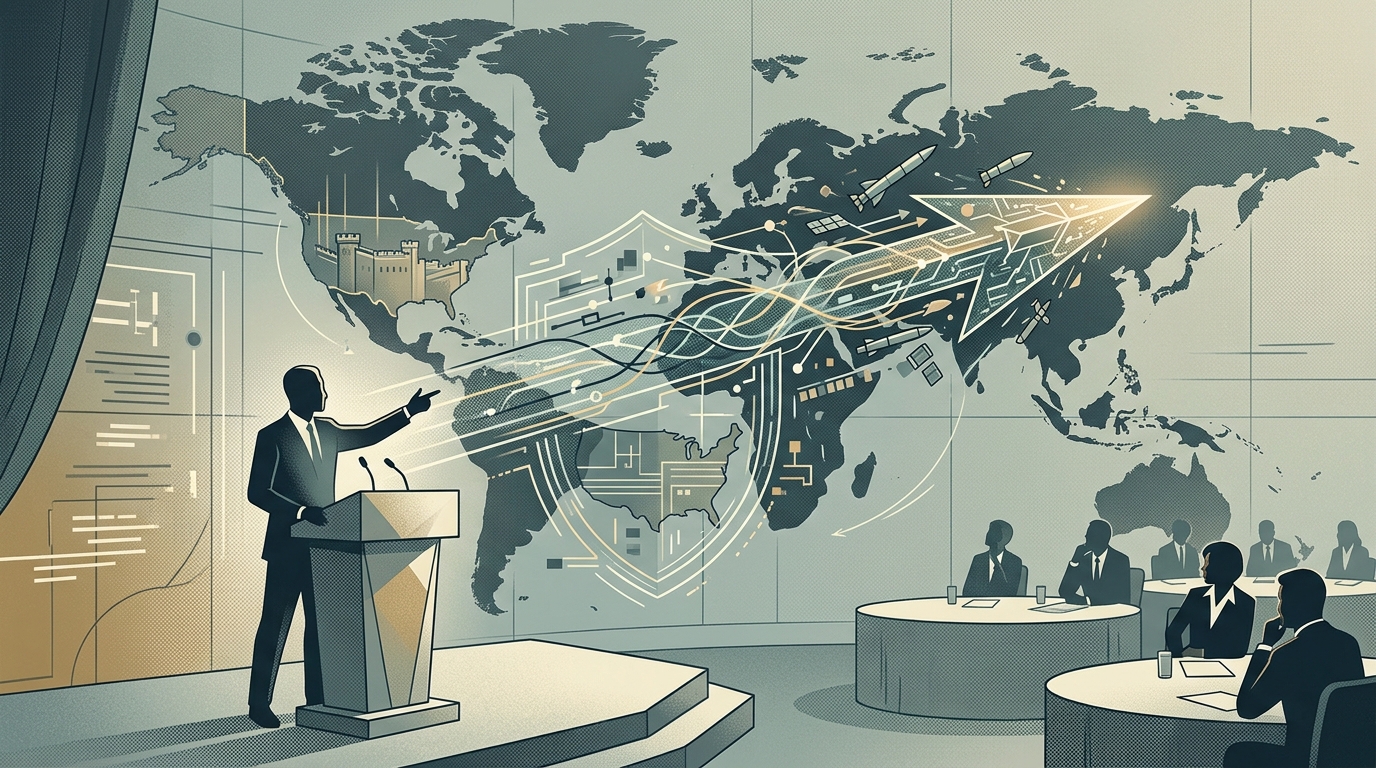
This tactic, while hazardous to navigational safety, is now considered the lesser of two evils. According to analysts, the statistical probability of a collision with another vessel is lower than the probability of harassment or seizure by Iranian fast-attack craft. The "silence" of these vessels is often accompanied by electronic spoofing, where ships broadcast false coordinates, appearing on monitors dozens of miles away from their actual location, effectively blinding Tehran's surveillance networks.
The Aerial Shield: Helicopters vs. Fast Boats
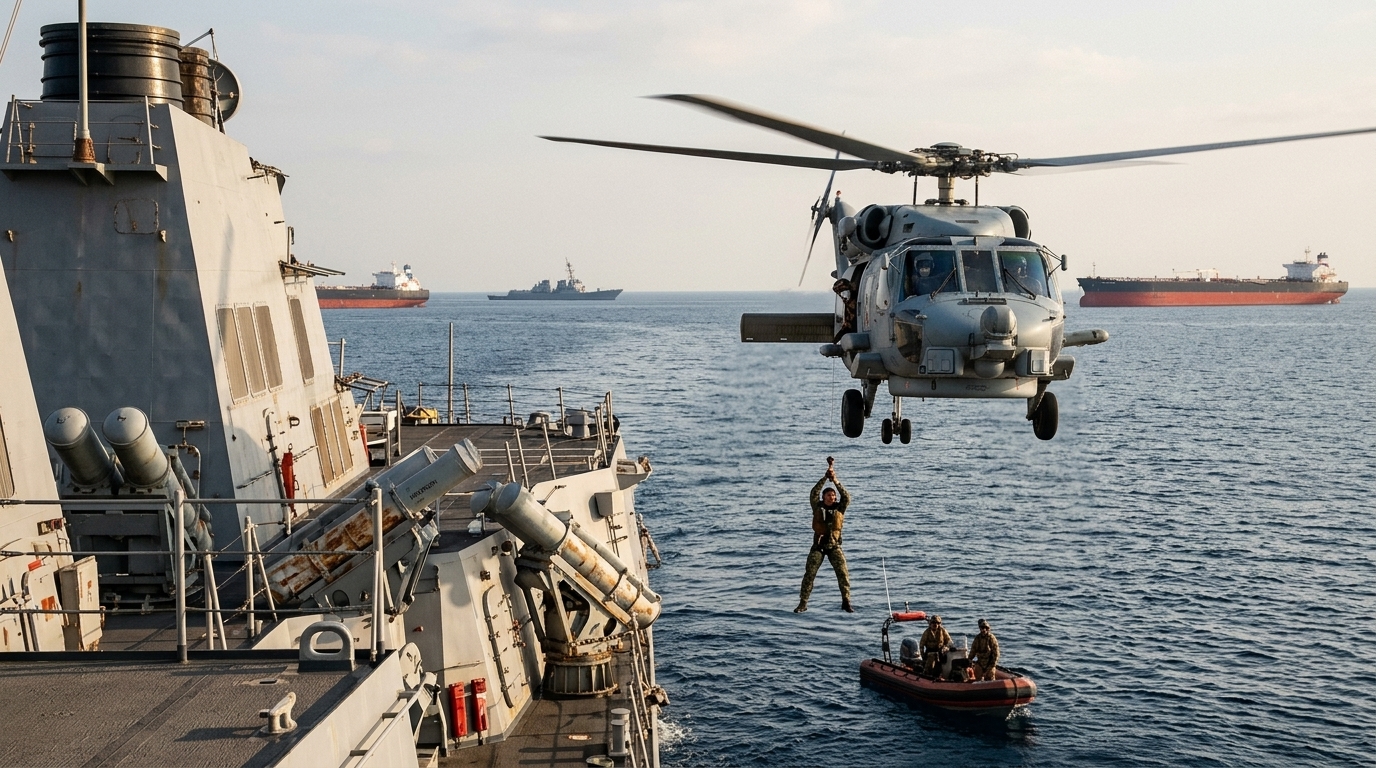
The significant shift in the 2026 landscape is the dynamic presence of aerial assets. Helicopters, both manned and unmanned (UAVs), are now flying low-altitude patterns over tankers deemed "high risk." The presence of an Apache or a Seahawk naval helicopter serves as the ultimate deterrent. While agile and equipped with short-range missiles, Iranian fast boats are extremely vulnerable to aerial strikes.
Recent incidents demonstrate that the mere appearance of a helicopter launching from a nearby frigate is sufficient to force Iranian vessels to retreat. This "protective umbrella" allows ships to transit the straits with greater confidence, even when sailing without an AIS signal. The "Damn the torpedoes" strategy—a nod to Admiral Farragut's historic command—perfectly encapsulates the determination of shipping companies to maintain the flow of oil despite the threats.
Geopolitical Implications and China's Stance
While the US and its allies provide the bulk of the security, China's position remains ambiguous. Beijing is the largest buyer of Iranian oil, yet it simultaneously depends on the stability of the Strait for its imports from Saudi Arabia and the UAE. China appears to tolerate Western patrols as they secure its energy supply, while maintaining open channels with Tehran to ensure that vessels with Chinese interests are not targeted.
This situation creates a peculiar balance of terror. Iran knows that a full blockade of the Strait would trigger a global economic collapse and likely a total military response threatening the regime's survival. Consequently, it limits itself to "stings" and displays of power, which the new tanker tactics and aerial cover are making increasingly ineffective.
Economic Costs and the Road Ahead
The cost of this "invisible" navigation is not negligible. War risk insurance premiums have skyrocketed, adding hundreds of thousands of dollars to the cost of each voyage. Furthermore, disabling AIS requires additional bridge personnel for constant visual monitoring, increasing crew fatigue. However, as long as oil prices remain high, the profit margins justify the risk.
The international community is closely watching to see if this tactic will become the new norm. If Iran develops more sophisticated detection systems based on AI and satellite tracking, the "silence" of the ships may no longer suffice. For now, the battle of the Strait is being won by those who dare to sail in the dark, under the watchful eye of helicopters hovering on the horizon.