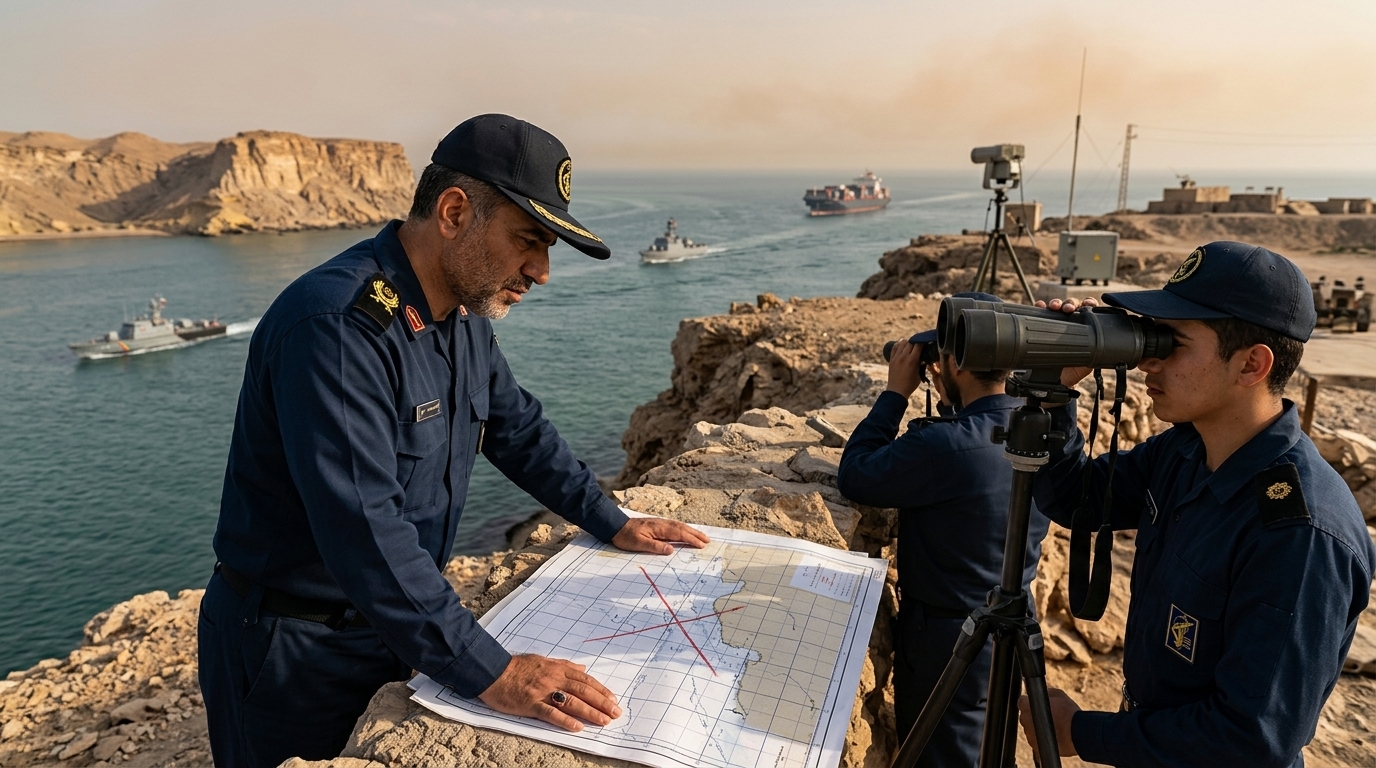
The global geopolitical stage is once again teetering on the edge of an abyss. The announcement by Iran’s Revolutionary Guard Corps (IRGC) to reimpose "strict control" over the Strait of Hormuz is not merely a tactical military maneuver; it is a direct challenge to the international community and global energy markets. The Strait, which serves as the world's most vital artery for oil transit, is transforming into a battlefield where diplomacy appears to have yielded to intimidation and displays of raw power.
The Strategic Significance of the Strait and Tehran's Gambit
The Strait of Hormuz is a geographic chokepoint through which approximately 20% to 30% of global daily oil consumption passes. For Iran, controlling this passage is its most potent bargaining chip. The recent move by the IRGC to intercept vessels and conduct "rigorous inspections" is interpreted by analysts as Tehran’s way of reminding the West that it holds the keys to the global economy's engine.
This escalation does not occur in a vacuum. It happens at a time when sanctions against Iran have strangled its economy, and regional conflicts in the Middle East have reached a boiling point. The IRGC, operating as a state within a state, seems to be taking the initiative, bypassing the more moderate voices within the Iranian government—if such voices still exist.
The Trump Response and the Specter of War
The reaction from Washington was instantaneous and characteristic of Donald Trump’s rhetoric. The former and potentially future occupant of the White House signaled that any attempt to obstruct freedom of navigation would mean the final termination of any ceasefire or diplomatic rapprochement achieved in recent times. Trump’s language "ignites" the atmosphere, as it brings back the "maximum pressure" policy that previously pushed both nations to the brink of open warfare.
"Iran is playing with fire, and this fire will consume Tehran itself if it does not immediately cease its provocations," said a source close to the Trump camp.
The threat to end the ceasefire does not only concern military operations but also the back-channel negotiations regarding the nuclear program and prisoner exchanges. If Trump follows through on these threats, the region will enter a phase of absolute uncertainty, where the slightest maritime accident could trigger a generalized conflagration.
Economic Implications and Market Anxiety
Oil markets reacted immediately to the news from the Strait. Brent crude prices surged as investors fear a prolonged supply disruption. The shipping industry, particularly the Greek-owned fleet which dominates tanker transportation, is on high alert. War risk insurance premiums for vessels traversing the region have skyrocketed, making transport more expensive and perilous.
- Surge in oil prices in international markets.
- Sharp rise in shipping insurance (war risk premiums).
- Potential delays in the energy supply chain to Europe and Asia.
- Strengthening of global inflation due to energy costs.
Europe, still struggling to recover from the energy crisis triggered by the war in Ukraine, views this new source of instability with dread. Dependence on Gulf oil remains high, and any entanglement in the Strait of Hormuz will have an immediate impact on gas pumps and the production costs of European industries.
Conclusion: Diplomacy on the Brink
The situation in the Strait of Hormuz is a stark reminder of the fragility of the global order. Iran is weaponizing geography, while the US, under the influence of Trump’s assertive stance, appears ready for a head-on collision. The question is no longer whether there will be a crisis, but whether global powers possess the tools and the will to contain it before it turns into a disaster of biblical proportions for the global economy and peace.