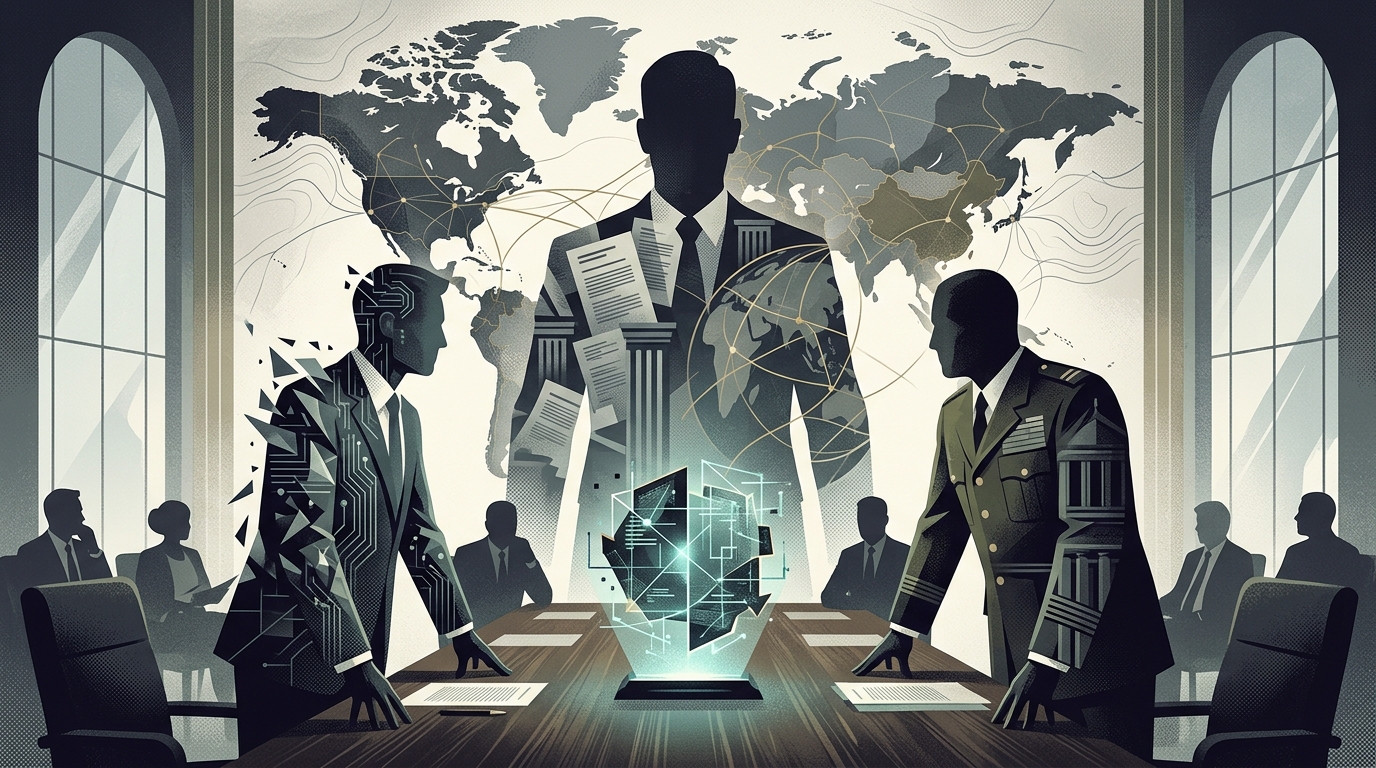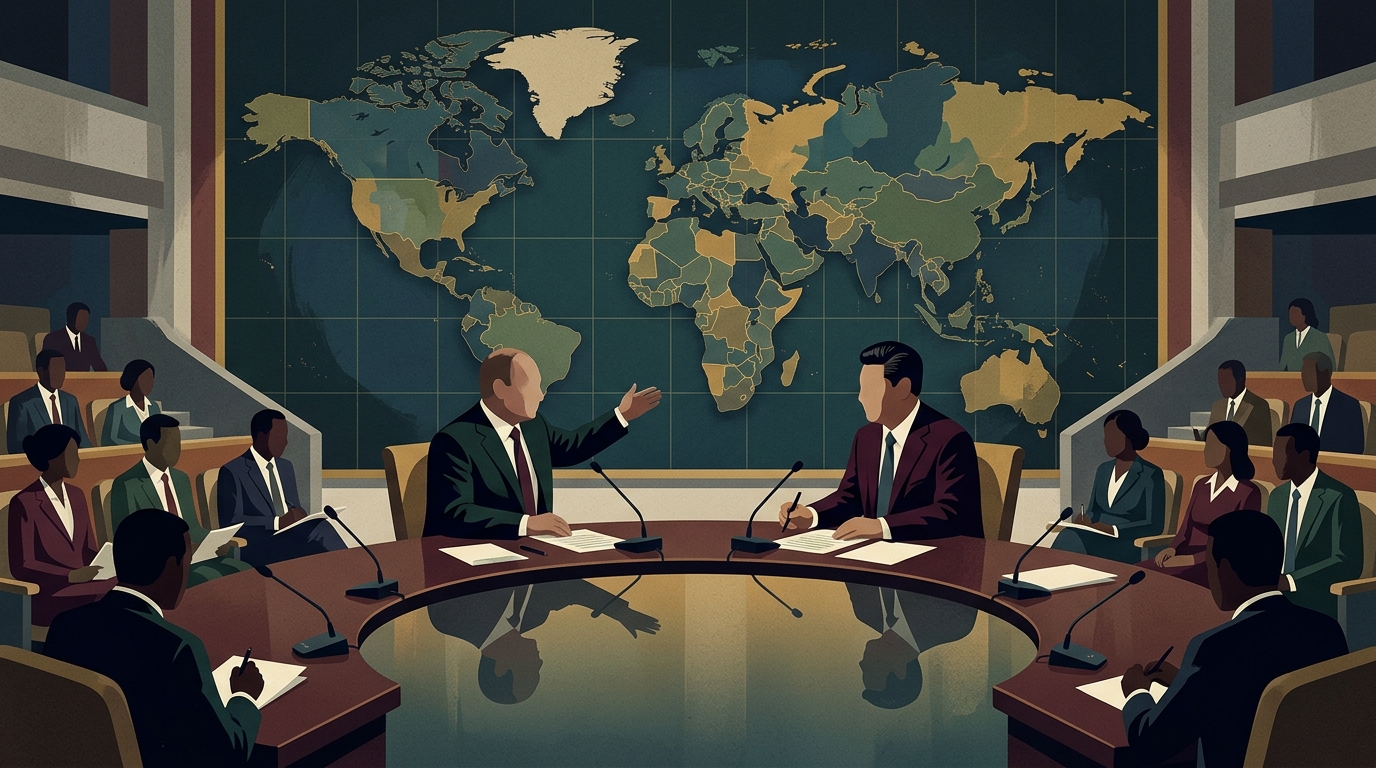
Two years after the landmark joint declaration of 2024, the alliance between Vladimir Putin and Xi Jinping has transcended a mere 'marriage of convenience' to become the central pillar of an emerging multipolar world. The rhetoric emanating from the Kremlin and Zhongnanhai reflects a profound conviction: that the West, led by the United States, is dragging the planet back into the 'law of the jungle' by imposing unilateral sanctions and disregarding the security concerns of other major powers.
The Break with the Liberal International Order
The critique from both leaders focuses on the concept of the 'rules-based international order,' which Moscow and Beijing characterize as a nebulous construct designed exclusively to serve Western interests. According to their strategic analysis, these rules are not the product of global consensus but of coercion. The warning about a return to the 'law of the jungle' is an ironic reversal of Western accusations. While Washington blames Russia for the invasion of Ukraine and China for aggression in the South China Sea, Putin and Xi counter that true anarchy stems from the weaponization of the dollar and NATO's expansionist agenda.
Their strategic convergence is rooted in the shared belief that the sovereignty of nation-states must override universalist values regarding human rights, which they view as a pretext for interference in domestic affairs. This 'sovereign democracy,' as they term it, seeks to legitimize authoritarian governance models as equal alternatives to Western liberal democracy.
Economic and Technological Fortressing
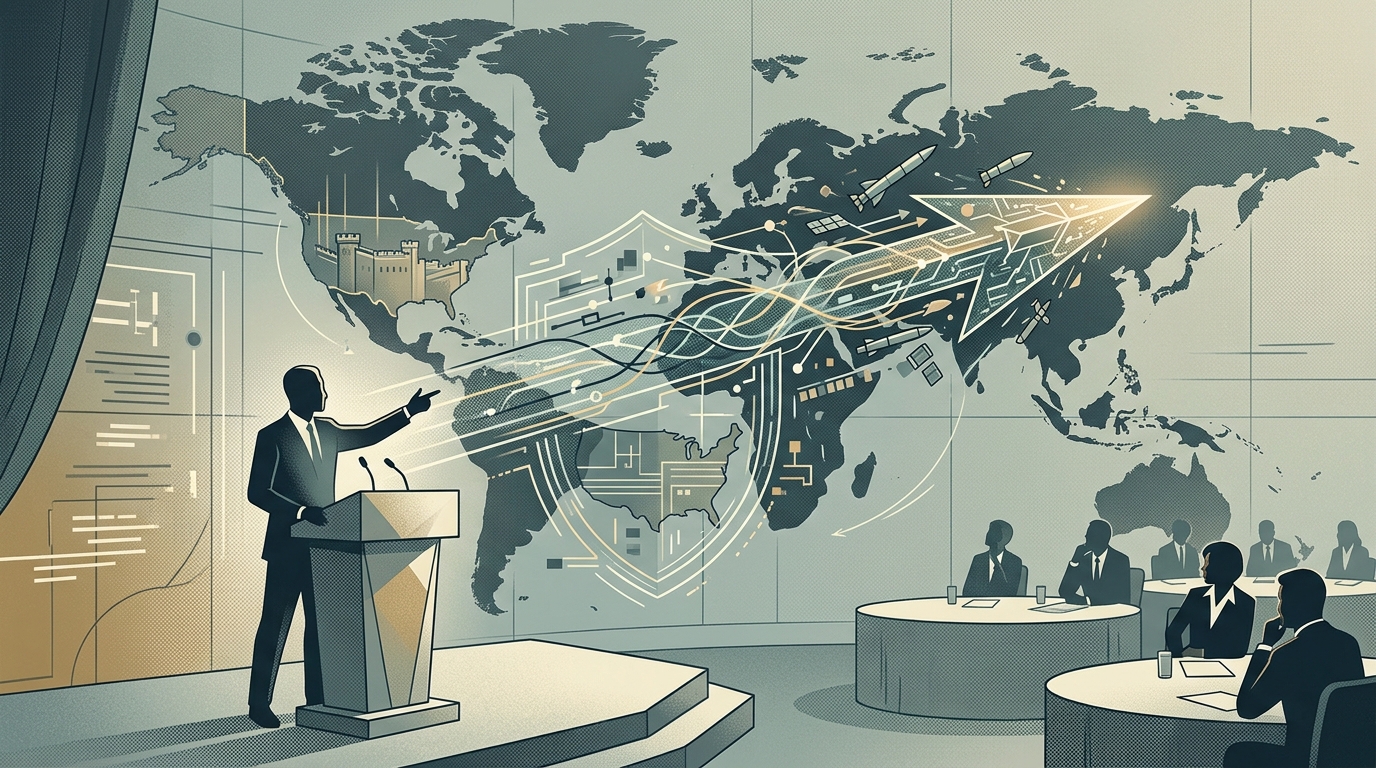
Beyond geopolitical rhetoric, the Russia-China relationship has acquired deep structural characteristics. De-dollarization is no longer a theoretical scenario but a daily reality for their bilateral trade. Russia, largely excluded from the SWIFT system, has become China's largest energy supplier, while Beijing provides Moscow with the technological support—ranging from semiconductors to dual-use components—essential for maintaining its military machine and domestic stability.
- Surge in Yuan and Ruble-denominated trade, bypassing the Western financial system.
- Strengthening the BRICS+ axis as a viable alternative to the G7.
- Joint military exercises spanning from the Arctic to the Pacific Ocean.
- Cooperation in Artificial Intelligence development for information control and surveillance.
China, while careful to avoid secondary sanctions that would jeopardize its access to Western markets, appears to have firmly chosen its side. The 'limitless friendship' proclaimed in 2022 has been tested but remains intact, proving that the mutual interest in eroding American power outweighs individual economic risks.
The Shadow of Trump and Europe's Dilemma
Of particular interest is the stance of both leaders toward internal political shifts in the West. Subtle references to a potential return of Donald Trump to the U.S. presidency reflect a 'wait-and-see' strategy. On one hand, Trump’s isolationism could weaken NATO and give Russia a freer hand in Eastern Europe. On the other, his unpredictable nature and penchant for trade wars pose a significant risk to Chinese economic stability.
"The world is at a turning point. The attempt by certain countries to maintain their hegemony at all costs is what generates instability," Xi Jinping stated, clearly referencing Washington.
For Europe, the challenge is existential. The Old Continent finds itself caught between its security needs (provided by the US) and its economic dependence on China. Moscow and Beijing are betting on the fragmentation of European unity, courting nations that feel marginalized by Brussels. The message is clear: in a world where the 'law of the jungle' returns, smaller players must choose a side or risk being crushed between the tectonic plates of the great powers.