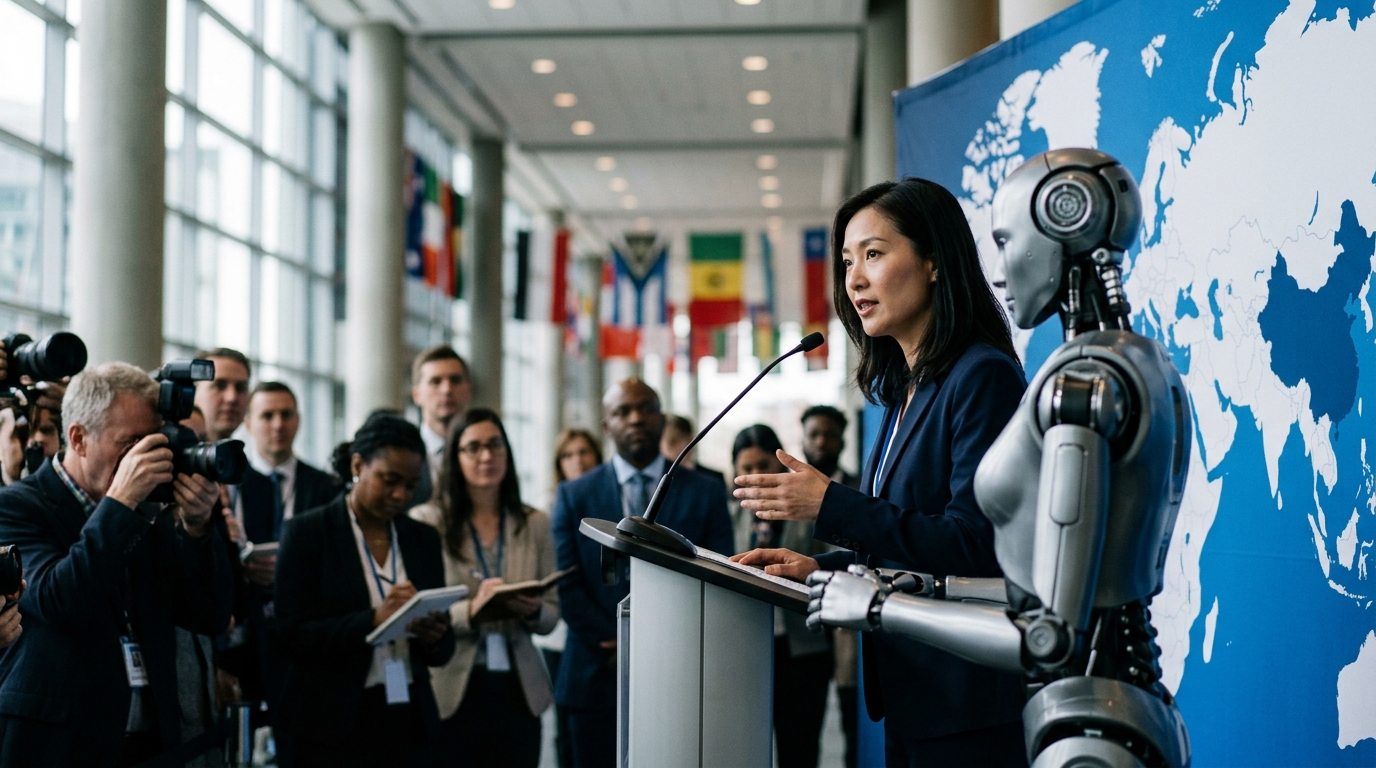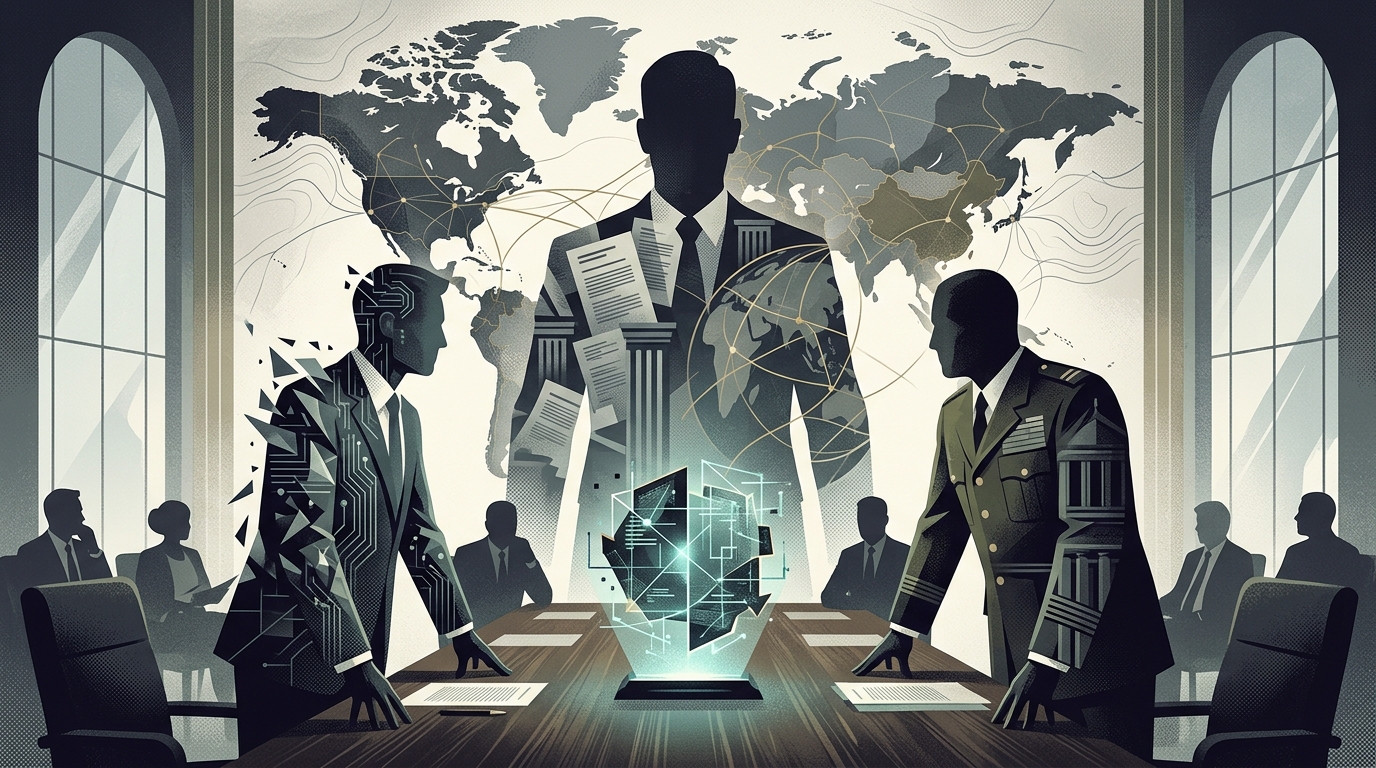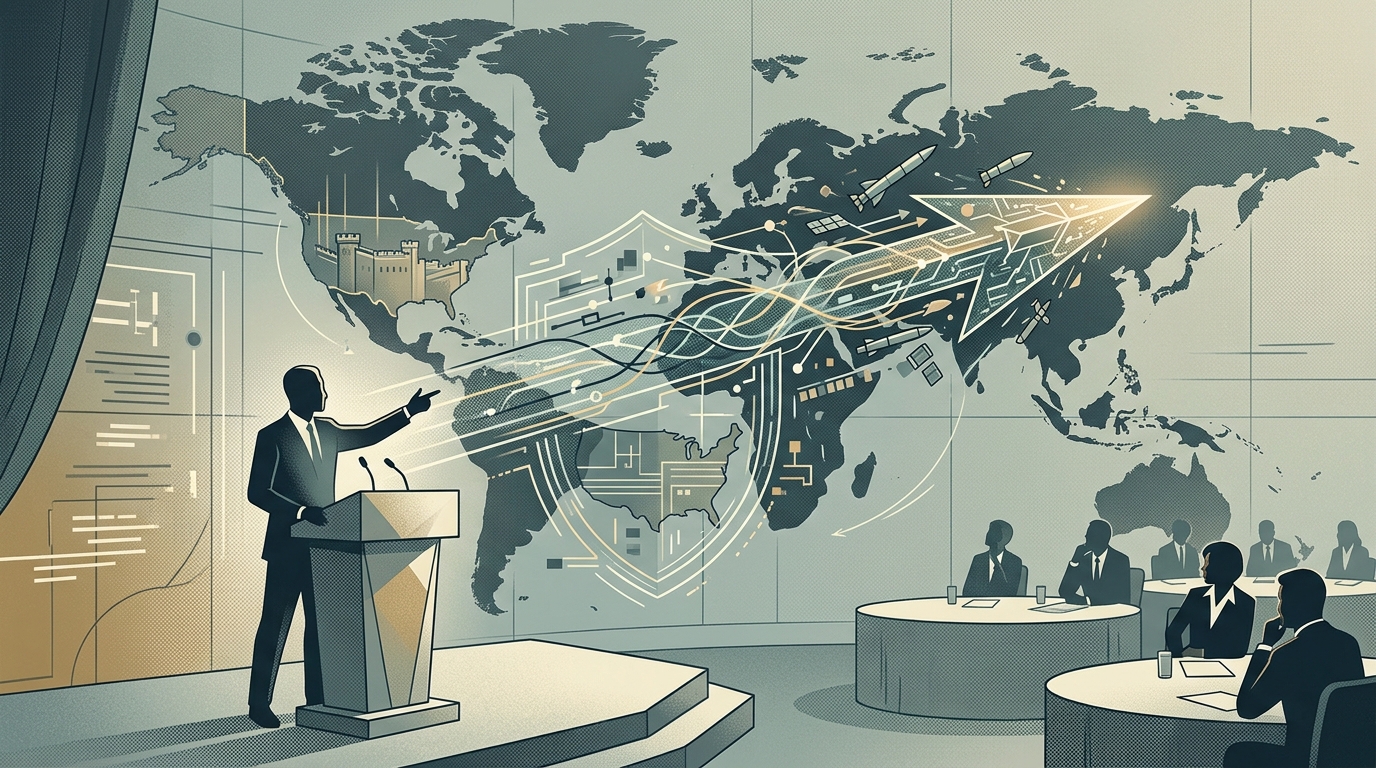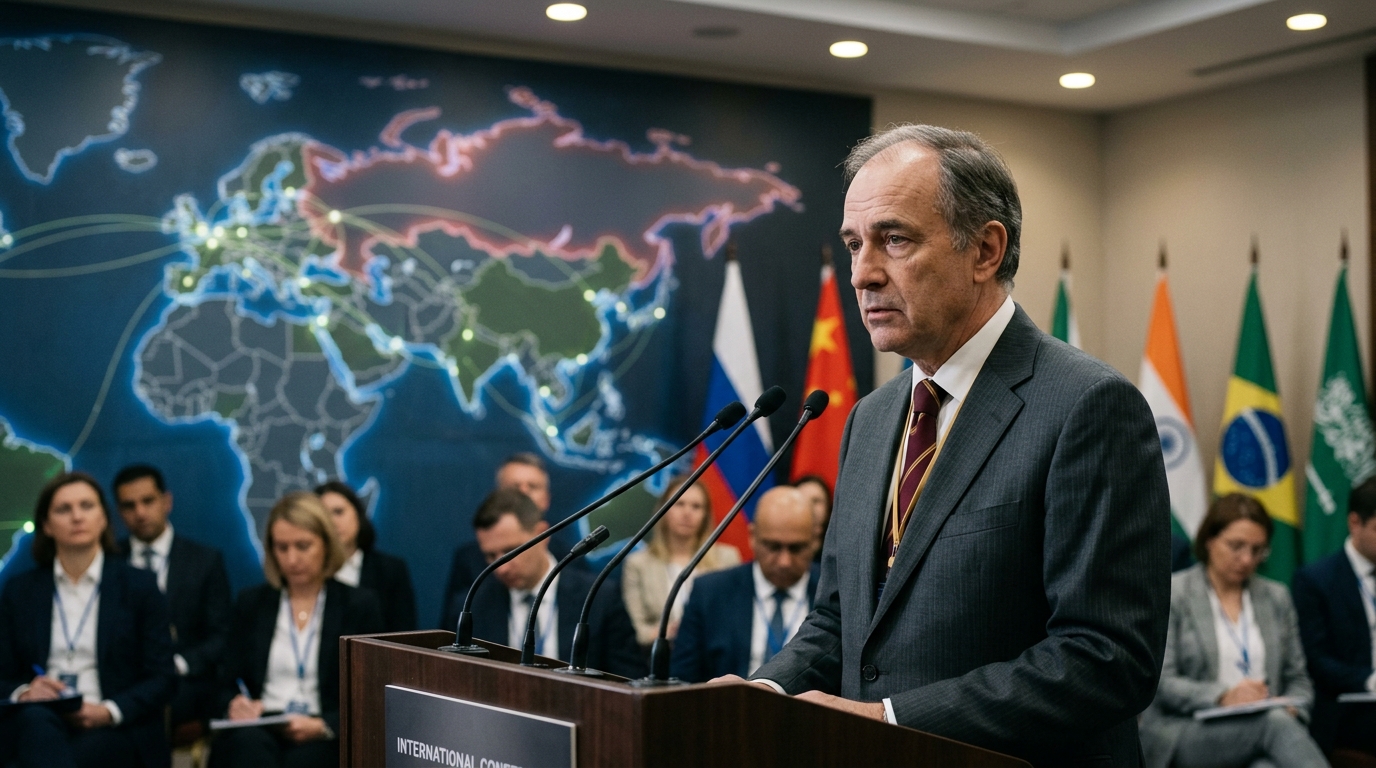
In a move that reshuffles the global technological chessboard, Vladimir Putin has announced Russia's intention to lead a new international alliance for Artificial Intelligence (AI). The announcement, made within the context of deepening ties with BRICS nations and the Global South, signals a frontal assault on the monopoly of Silicon Valley and the Western ethical standards embedded in contemporary large language models.
The Russian initiative is not merely an effort toward technological advancement; it is a strategic maneuver for survival and dominance in a world where 'cognitive sovereignty' is becoming as vital as territorial integrity. Putin, who famously declared in 2017 that 'whoever becomes the leader in this sphere will become the ruler of the world,' now appears to be moving from theory to practice, seeking to build an alternative ecosystem free from US and EU influence.
The Strategy of 'Sovereign Artificial Intelligence'
The central pillar of this new alliance is the concept of 'Sovereign AI.' According to the Kremlin, Western AI models—such as OpenAI's ChatGPT or Google's Gemini—are 'one-sided' and saturated with Western liberal values that often clash with the traditional values of other civilizations. Russia proposes the creation of models that respect the cultural and linguistic specificities of each member state within the alliance.
This approach resonates with nations fearing 'digital colonization.' Moscow promises technology transfers and data sharing without the constraints imposed by Western sanctions. The use of Russian platforms, such as Sberbank’s GigaChat and YandexGPT, is being promoted as the foundation for this new cooperation. However, the question remains: can Russia, under the weight of sanctions, provide the necessary computational power?
The BRICS Factor and De-Westernization
The alliance primarily targets the BRICS+ countries (Brazil, Russia, India, China, South Africa, Iran, Egypt, Ethiopia, and the UAE). With China already holding a leading position in AI and India possessing a vast talent pool, Russia is attempting to act as a diplomatic and strategic catalyst. The cooperation envisions the creation of joint data centers and the development of open-source algorithms that do not rely on American chips.
The major hurdle in this plan is the lack of access to advanced semiconductors (GPUs), such as those from Nvidia. Russia is forced to turn to domestic production and parallel imports, while China accelerates its own processor manufacturing. The alliance aims to create a 'closed market' where technological exchange bypasses the dollar and Western prohibitions, establishing a parallel digital economy.
Ethics and Censorship: A Different Perspective
One of the most controversial points of Putin's announcement is the critique of Western 'AI ethics.' The Russian president argued that Western algorithms implement a form of 'digital cancel culture' against Russian culture and history. The new alliance promises an 'objective' AI, which many analysts translate as an AI tailored to the needs of authoritarian regimes for information control.
The creation of an 'Ethics Code' for the alliance is expected to emphasize state security and social stability over individual rights and privacy protections, as defined in the European Union's AI Act. This divergence in perspectives risks leading to a definitive fragmentation of the internet (splinternet), where AI's 'truth' will depend on the user's geographic coordinates.
Conclusions and Challenges
Putin's announcement is a clear declaration that the digital world is no longer unified. The creation of this alliance is an attempt to break Russia's technological isolation and create a center of gravity for the Global South. However, its success will depend on whether China is willing to share its dominance with Moscow and whether India will risk its relations with the West for such a partnership.
What is certain is that Artificial Intelligence has long ceased to be a mere productivity tool. It is now the primary weapon in the new Cold War, and Putin's move shows that Moscow does not intend to surrender to Silicon Valley's digital hegemony without a fight, proposing its own alternative path.