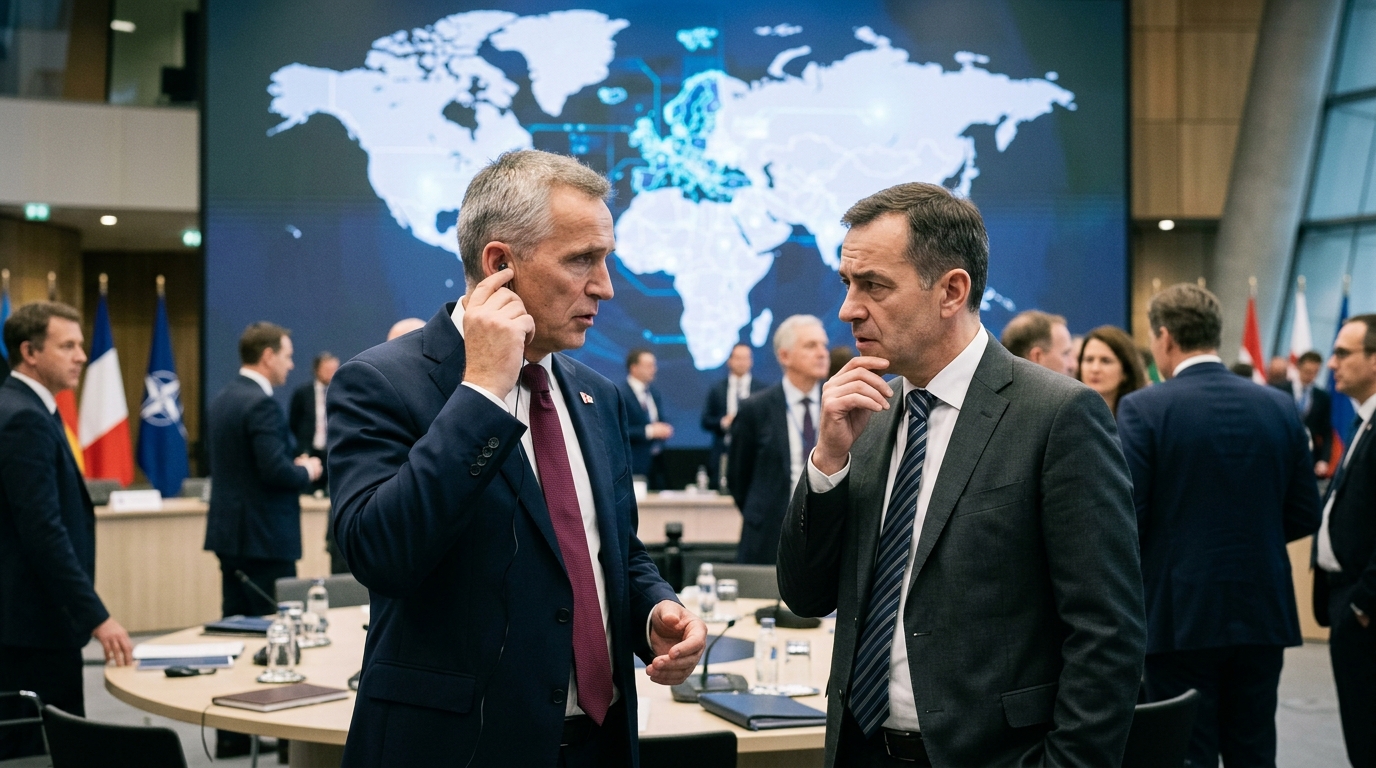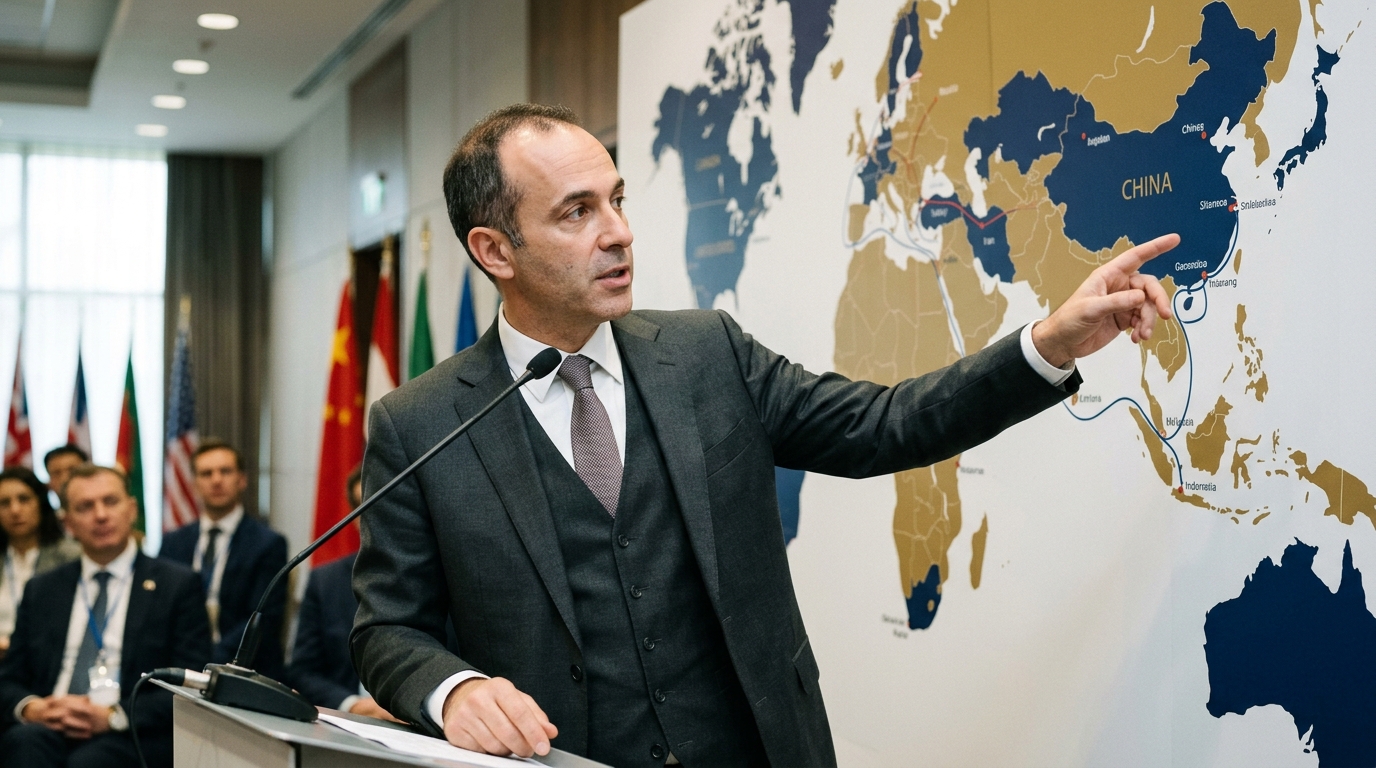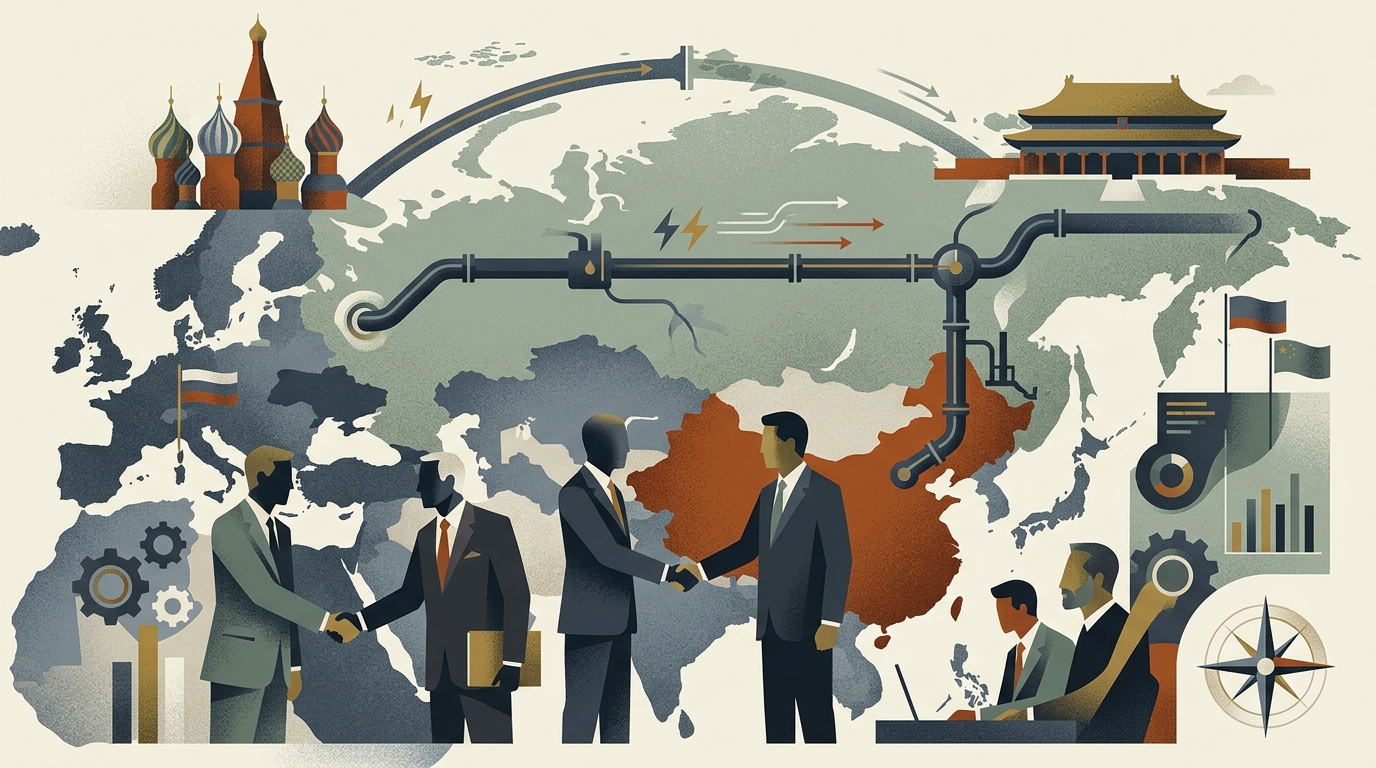
In an era where geopolitical tectonic plates are shifting violently, the summit between Vladimir Putin and Xi Jinping in Beijing is not merely a diplomatic formality but the consolidation of a new world order. By signing over 40 agreements, Russia and China are cementing a 'no limits' partnership that aims directly at the heart of Western economic and political dominance. At the center of this strategy lies the 'Power of Siberia 2' pipeline, a project that promises to transport Russia's energy wealth from the frozen steppes of Siberia to China's energy-hungry industries, permanently replacing European markets.
The Energy Axis and the Pipeline of Contention
The 'Power of Siberia 2' pipeline is more than just a gas conduit; it is Moscow's geopolitical response to Western sanctions. With a capacity of 50 billion cubic meters per year, this pipeline is designed to channel gas that was once destined for Germany and the rest of the European Union toward the East. Its significance is twofold: on one hand, it secures a permanent revenue stream for Russia that the West cannot touch, and on the other, it provides China with the energy security required to continue its economic expansion without depending on maritime routes controlled by the US Navy.
'Our cooperation is not directed against anyone, but is a factor of stability in a chaotic world,' Putin stated, emphasizing the intention of the two powers to act as a counterweight to Washington.
However, negotiations over gas pricing remain a tough testing ground. Beijing, aware of Moscow's limited alternatives, is pushing for prices close to production costs, highlighting the power asymmetry beginning to form in their relationship. Russia, though an 'equal partner' in words, finds itself needing the Chinese market more than Beijing needs Russian gas, given China's diversified supplies from Turkmenistan and Qatar.
De-dollarization and Economic Convergence
Beyond energy, the 40 agreements cover a wide spectrum from high technology and artificial intelligence to agriculture and space exploration. The most concerning element for the West is the speed at which the two countries are abandoning the dollar in their bilateral transactions. Currently, over 90% of Russia-China trade is conducted in rubles and yuan. This development creates a parallel financial system, immune to SWIFT sanctions and the influence of the US Treasury Department.
- Military Cooperation: Joint exercises in the Pacific and the exchange of dual-use technology that bolsters Russia's defense industry.
- Infrastructure: Construction of new bridges and border checkpoints to facilitate trade flows.
- Technology: Collaboration on 5G networks and cybersecurity, creating an 'Eastern wall' of data protection.
The Geopolitical Chessboard: Ukraine and Taiwan
Putin's visit to Beijing also sent a clear message regarding regional conflicts. China, while officially maintaining a stance of neutrality on the Ukraine issue, provides Russia with the economic lifeline necessary to sustain the war. In return, Moscow aligns itself fully with Beijing's positions on Taiwan, recognizing it as an integral part of Chinese territory. This mutual support creates a front that forces the US to spread its forces across two different theaters of operation, weakening its ability to intervene effectively.
Challenges and the Future of the Relationship
Despite the triumphant rhetoric, the Moscow-Beijing alliance is not without its frictions. Historical suspicion between the two nations remains beneath the surface. China is careful not to directly violate secondary Western sanctions that could damage its own exports to Europe and the US. Furthermore, the Russian elite is concerned about the country turning into an 'energy gas station' for China, losing its technological autonomy.
In conclusion, the agreement for the 'Power of Siberia 2' pipeline and the 40 accompanying deals form the foundation of a Eurasian bloc that aspires to end the 'unipolar world.' For Europe, the loss of Russian gas is now permanent as infrastructure pivots eastward. For the rest of the world, the emergence of this axis means that globalization as we knew it has given way to a world of competing coalitions, where energy and technology are the primary weapons of enforcement.