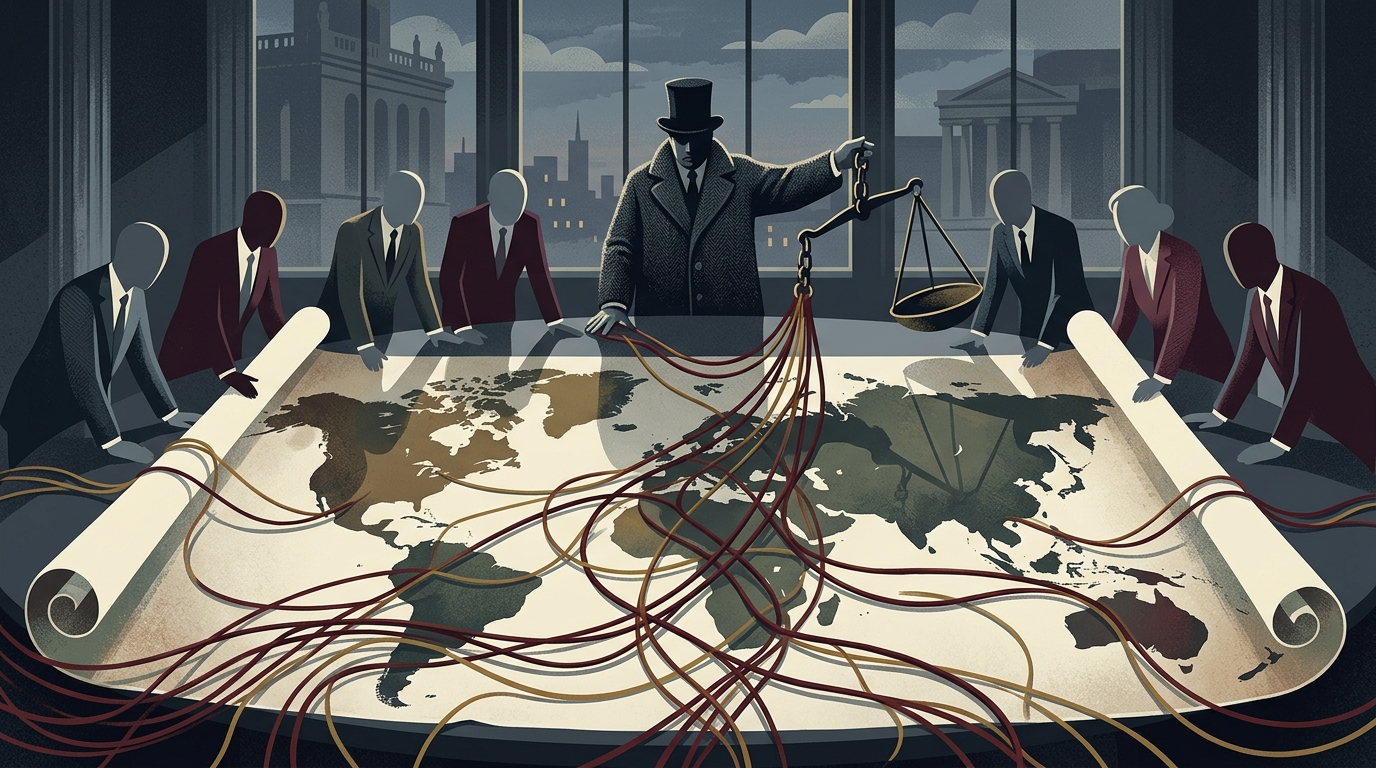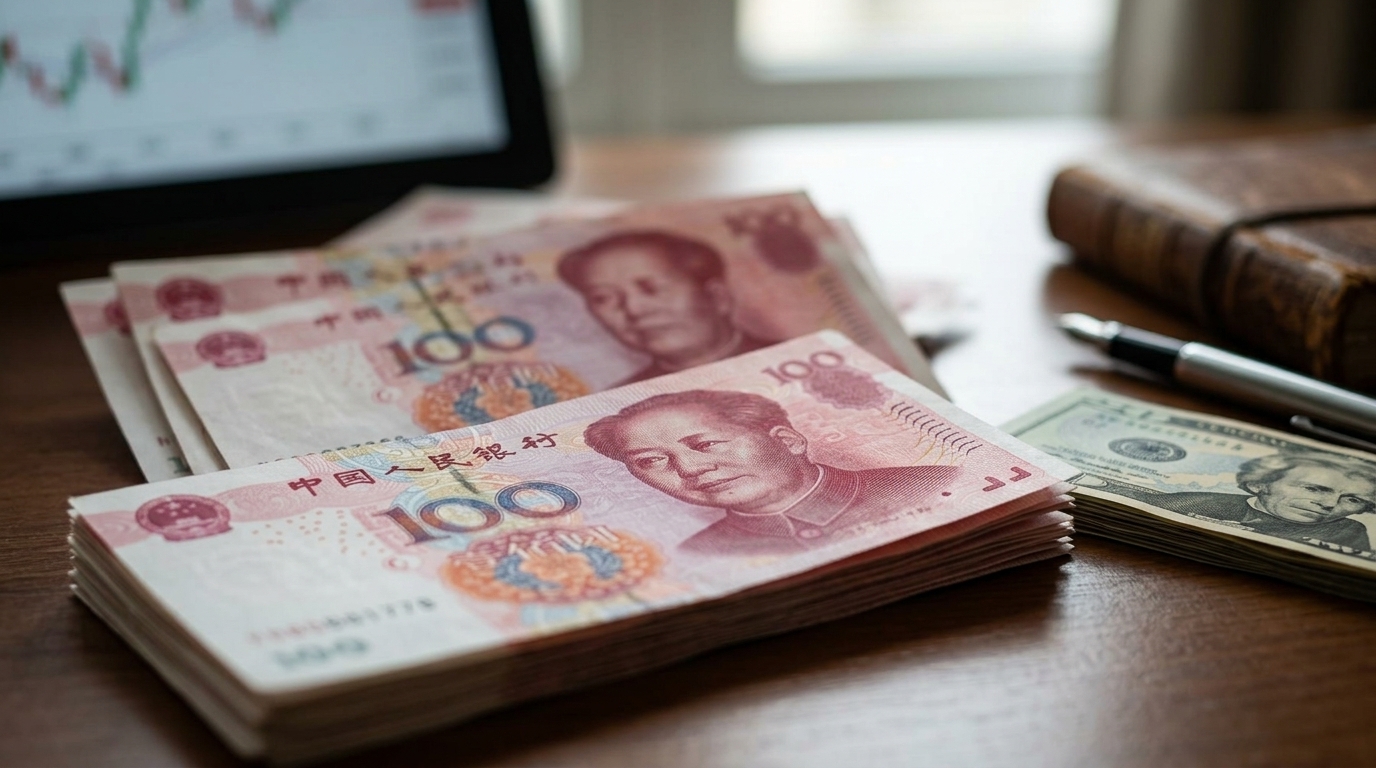
The global financial architecture, established upon the dominance of the US dollar post-1944, is currently undergoing its most critical phase of transformation. At the heart of this shift lies the "petrodollar" — the 1974 agreement between the US and Saudi Arabia that mandated oil pricing exclusively in dollars, granting Washington an unprecedented geopolitical advantage. However, as we move through 2026, the emergence of the "petroyuan" is no longer a theoretical threat but a functional reality reshaping energy maps.
The Petrodollar Legacy and the Fraying of Trust
For half a century, the dollar functioned as the lifeblood of global trade. The necessity for every nation to hold dollars to purchase energy ensured constant demand for the US currency and Treasury bonds. This "exorbitant privilege," as Valéry Giscard d'Estaing termed it, allowed the US to finance massive deficits. Yet, the weaponization of the dollar through sanctions — particularly after the freezing of Russian foreign exchange reserves in 2022 — acted as a catalyst. Nations of the "Global South" realized that dependence on a single currency constitutes an existential risk.
China, as the world's largest oil importer, has exploited this trust vacuum. Beijing’s strategy is not the immediate overthrow of the dollar — which would be economically suicidal given Chinese dollar holdings — but the creation of a parallel system. The petroyuan allows countries like Russia, Iran, and now Saudi Arabia to transact outside the SWIFT system, shielding their economies from Western pressures.
The Strategy of Silent Penetration
The rise of the yuan in energy transactions is not happening with a bang, but through methodical maneuvers. The expansion of BRICS+ in 2024 and 2025 brought the largest producers (Saudi Arabia, UAE, Iran) and the largest consumers (China, India) to the same table. Today, in April 2026, we are witnessing the implementation of bilateral swap agreements that bypass the dollar at percentages that would have been deemed unthinkable five years ago.
- CIPS System: China's Cross-Border Interbank Payment System has evolved into a robust alternative to SWIFT, offering yuan clearing with increased speed and lower costs.
- Digital Yuan (e-CNY): The integration of China's central bank digital currency into cross-border payments allows for instantaneous settlement, reducing the need for US-controlled correspondent banks.
- Gold Backing: China has linked the yuan with convertibility into gold through its Shanghai and Hong Kong exchanges, providing a safety net for oil producers hesitant to hold large reserves in Chinese currency.
Geopolitical Implications: A Fragmented World
The emergence of a bipolar monetary system in energy signifies the end of globalization as we knew it. This is not merely about economics; it is about the redistribution of power. When Saudi Arabia accepts yuan for its oil, it sends a message to Washington: regional security is no longer a Western monopoly. China offers infrastructure and technology investments through the "Belt and Road Initiative" without the demands for political reforms that often accompany Western aid.
"The dollar will remain the primary reserve currency for the foreseeable future, but the loss of its oil monopoly strips the US of the right to enforce global order through the banking system."
This development forces Europe to re-evaluate its position. The EU, caught between the security provided by NATO and the economic necessity of relations with the East, sees the euro losing ground as an alternative as the yuan gains trust in emerging markets. The green energy transition further complicates the matter, as China controls the supply chain of critical minerals, creating a new kind of "monetary sovereignty" over the materials of the future.
Conclusion: The New Normal
In 2026, talk of the "end of the dollar" is hyperbolic, but talk of the "end of its absolute hegemony" is more relevant than ever. The petroyuan is not here to replace the dollar in every transaction, but to provide an exit. In a world where geopolitical instability is the new normal, the existence of an alternative energy system serves as a pressure relief valve for many, but also as a historic challenge to Western hegemony.