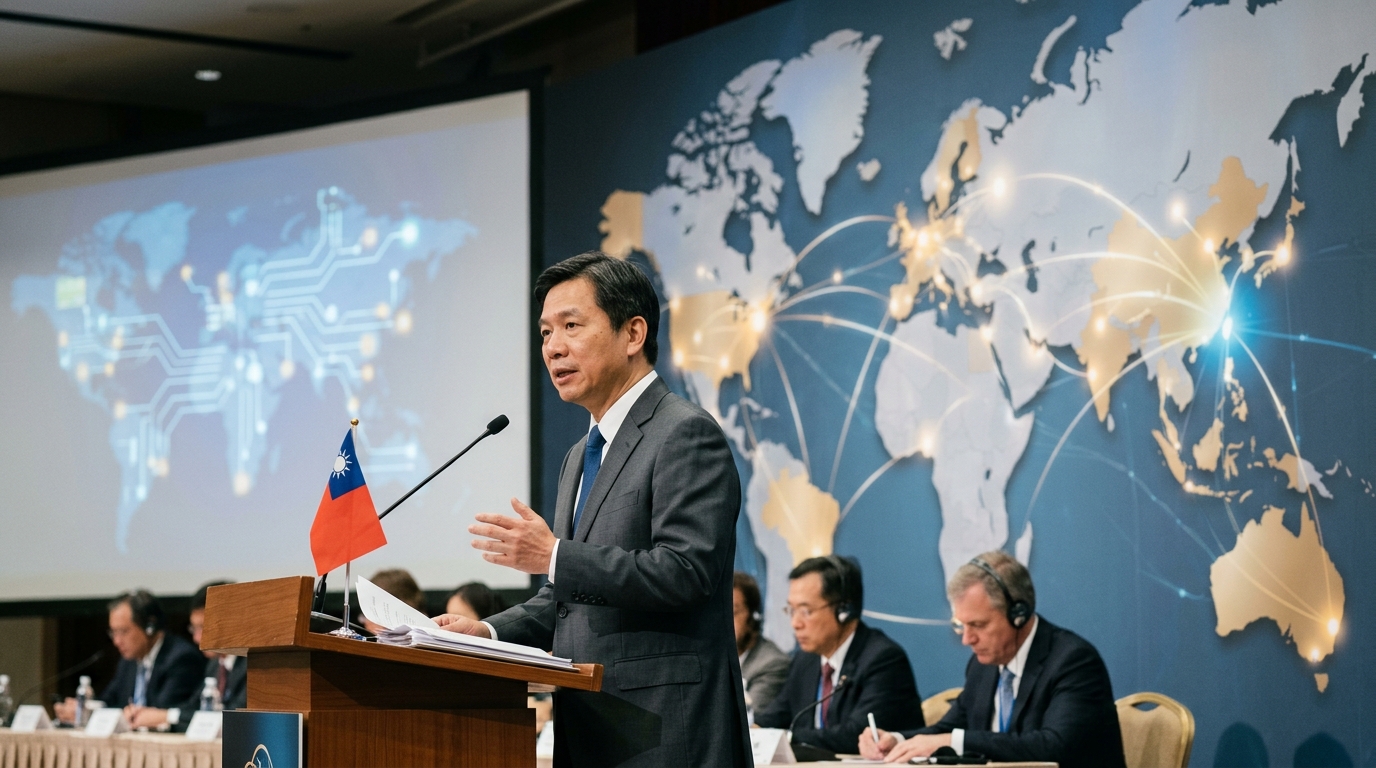
In a move reminiscent of the Cold War years and the mobilization of top scientists for the Manhattan Project, the U.S. Department of Defense (Pentagon) is moving toward an unprecedented convergence with Silicon Valley giants. The goal is no longer just about improving logistics or data analysis, but about preventing an "AI Armageddon" that could threaten national security and global stability.
The Threat of 'Black Swans' and Biological Weapons
The concern in Washington is not about science fiction scenarios with rogue robots, but much more tangible and immediate threats. According to recent reports from the Strategic Capabilities Office, the primary fear focuses on the ability of Large Language Models (LLMs) to guide malicious actors in creating biological weapons or executing cyberattacks that could paralyze critical infrastructure. The "democratized" knowledge offered by AI, if not restricted by strict protocols, becomes a low-cost tool of mass destruction.
Partnerships with companies like OpenAI, Anthropic, and Google DeepMind are no longer limited to commercial deals. It is a deep integration where AI researchers gain access to classified information to "train" their models to recognize and block dangerous queries regarding pathogen synthesis or power grid breaches.
The End of Silicon Valley's Neutrality
For years, Silicon Valley employees resisted the military use of their technologies—recall the internal revolts at Google over Project Maven in 2018. However, 2026 finds the atmosphere completely changed. Geopolitical reality, with China investing billions in "intelligentized warfare," has forced tech leaders to pick a side. Cooperation with the Pentagon is no longer seen as a "betrayal" of tech's liberal values, but as a necessary defense against authoritarianism.
- OpenAI removed explicit bans on military use of its tools, focusing instead on "responsible use."
- Microsoft is enhancing Azure Government with AI capabilities for real-time threat analysis.
- Palantir and Anduril are now operating as the new "industrial national champions" of the U.S.
The Geopolitical Chessboard and Competition with China
The Pentagon knows that AI supremacy is the new nuclear arms race. The fear of an AI disaster stems not only from accidents but from the possibility that China or Russia will develop systems without the ethical constraints discussed in the West. The U.S. "Replicator" strategy, aimed at deploying thousands of cheap, autonomous drones, is the response to the numerical superiority of the Chinese military. However, managing these swarms requires an AI so advanced that the risk of losing control is ever-present.
"We are no longer in an era where we can separate commercial from military technology. AI is the backbone of both," says a senior Pentagon official.
In conclusion, the enlistment of tech giants is an admission that the state can no longer guarantee the safety of its citizens without the assistance of private algorithms. This new "digital shield" is necessary, but it simultaneously raises questions about who ultimately controls the power of AI: elected governments or the CEOs of California's corporations?