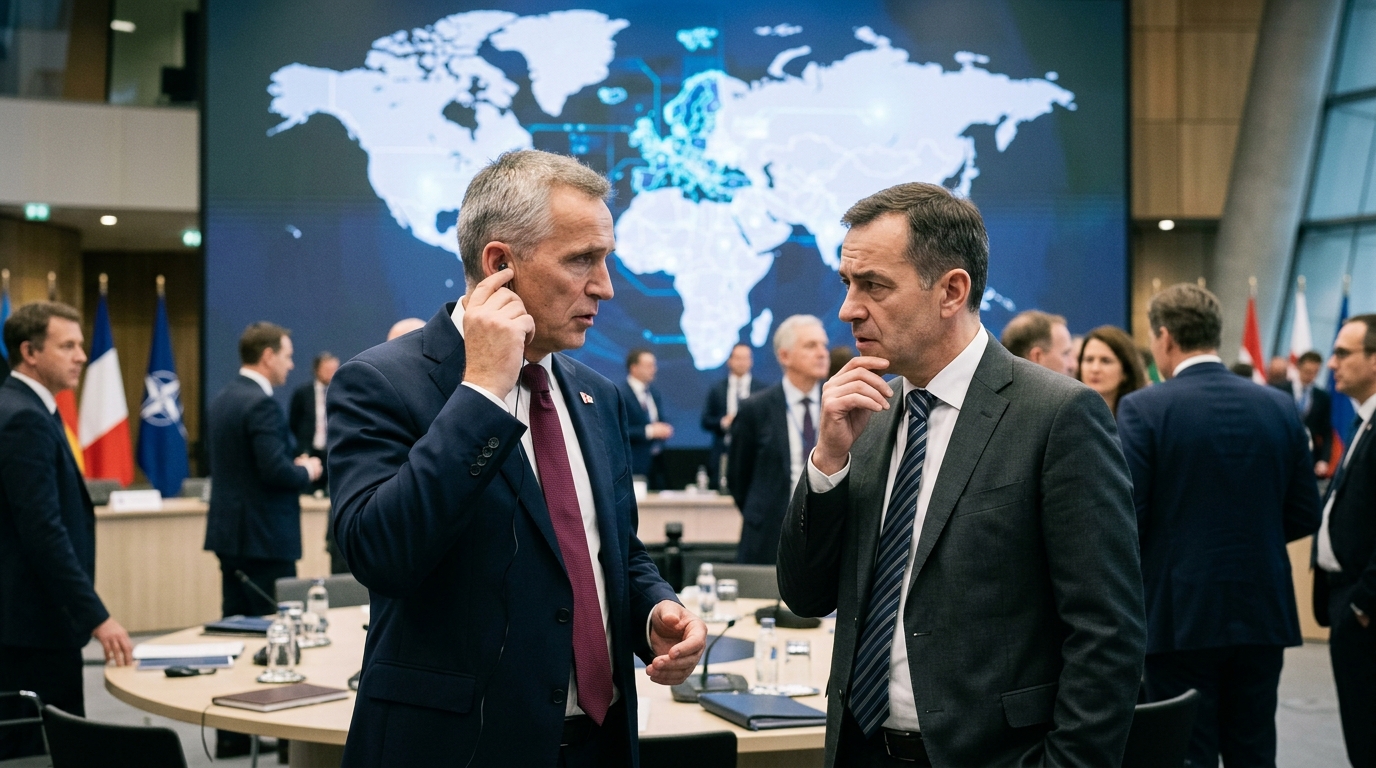
The NATO Foreign Ministers' meeting in Stockholm was far from a routine diplomatic gathering. At a time when the global geopolitical architecture is reeling from conflicts in Eastern Europe and escalating tensions in the Middle East, the presence of US Secretary of State Marco Rubio injected a sense of urgency—and for many, a sense of foreboding. Sweden, the Alliance's newest member, found itself at the center of a debate that transcends traditional defense, touching the very foundations of the transatlantic relationship.
Rubio, representing Washington’s hardline stance, made it clear that the era of the "blank check" for European security is over. Using rhetoric that blends American pragmatism with a streak of isolationism, the US top diplomat framed the issue of burden-sharing in its bluntest form yet. It is no longer just about the 2% GDP threshold; it is about a wholesale revision of how Europe perceives its own survival.
The Rubio Doctrine: From Words to Demands
During the closed-door sessions, Marco Rubio reportedly employed particularly sharp language. According to diplomatic sources, the Secretary of State emphasized that the United States can no longer serve as the "world’s policeman" while European economies benefit from American protection without contributing their fair share. The spearhead of his criticism was aimed at nations still falling short of spending targets, underscoring that American patience is wearing thin.
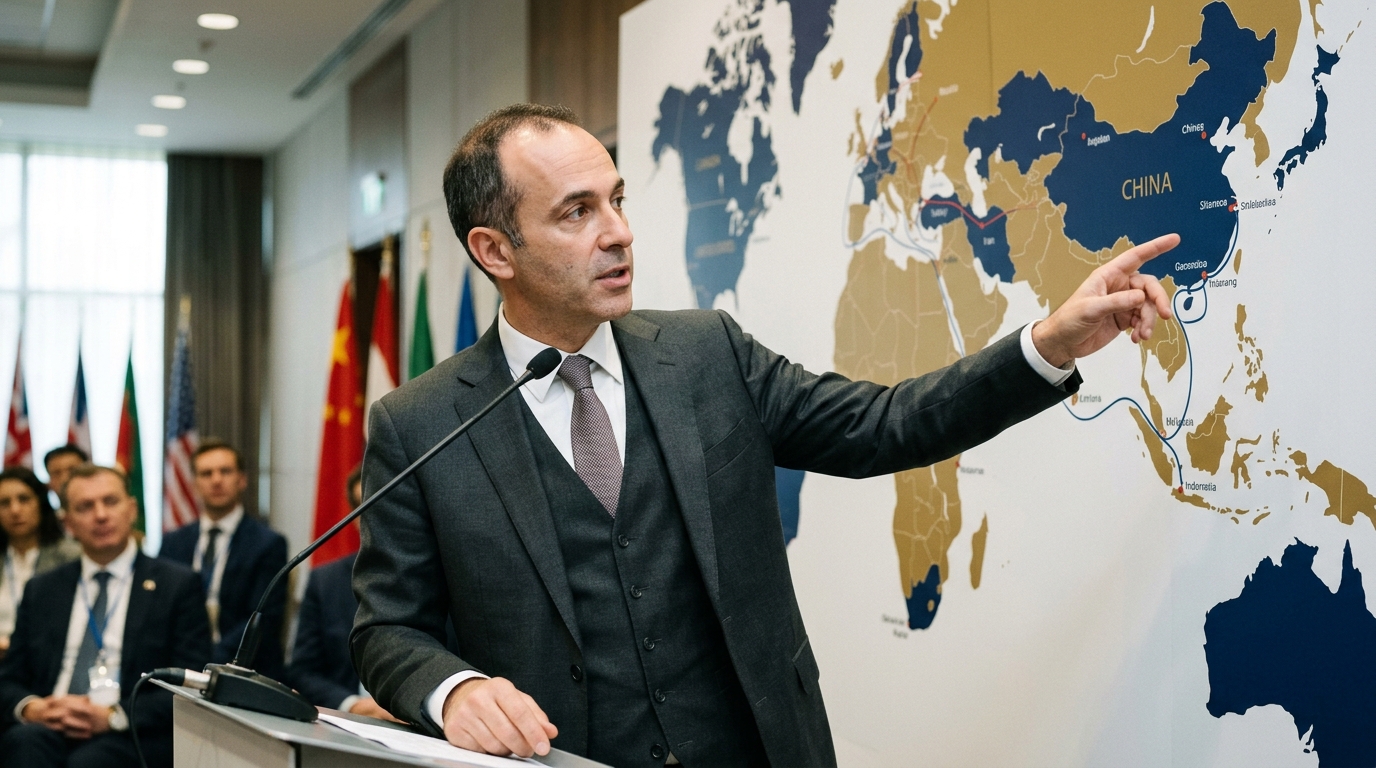
Rubio did not stop at financial demands. He called on European allies to take full responsibility for managing the crisis in Ukraine, allowing the US to pivot its focus toward the Indo-Pacific and China. "Europe must be the primary security provider on its own continent," was the phrase that echoed through the summit halls, sending shivers through capitals like Berlin and Paris, which have traditionally relied on the American security umbrella.
Expanding NATO’s Horizon: The Hormuz Factor
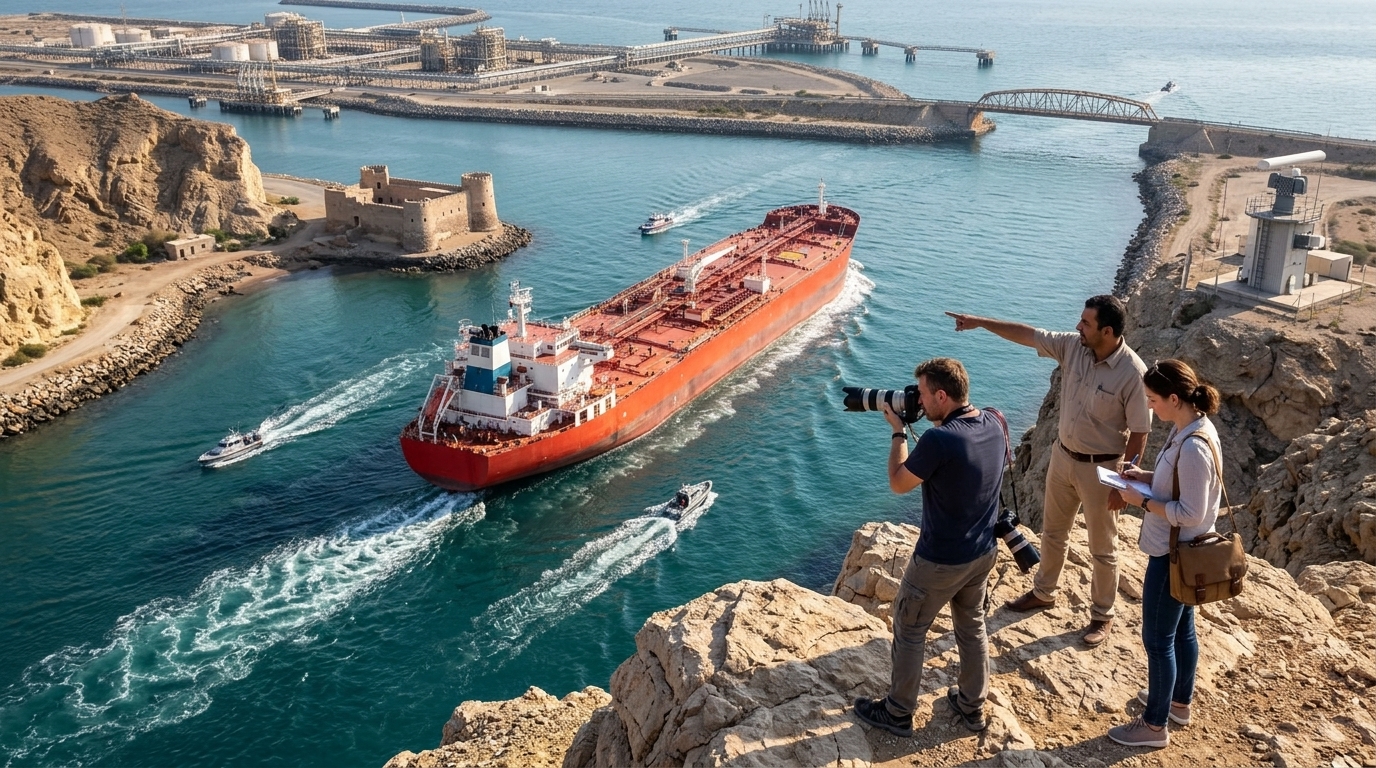
One of the most controversial proposals tabled was NATO’s active involvement in securing maritime routes, specifically the Strait of Hormuz. Rubio argued that European energy security is directly dependent on stability in the region, and therefore, the Alliance must establish a permanent presence or at least a coordinated rapid reaction force.
This proposal represents a significant shift. Traditionally, NATO limited its scope to the North Atlantic and Europe. Expanding its sphere of influence into the Middle East signals its transformation into a global security actor—a move welcomed by some Eastern Flank nations but met with skepticism in the South. Greece, as a major shipping power, is closely monitoring these developments, as any instability in the Strait of Hormuz has an immediate impact on global trade and energy costs.
Ukraine: Fatigue and the Exit Strategy
The issue of Ukraine remains the Alliance's "open wound." In Stockholm, the discussion was not just about weapon shipments but about charting a long-term strategy that might involve painful compromises. Rubio was explicit: military aid cannot be indefinite without a clear roadmap for ending hostilities.
European ministers, for their part, attempted to balance the need to support Kyiv with Washington’s pressure for "European ownership" of the conflict. Sweden, as the host, emphasized the importance of unity, but the cracks within the Alliance are now visible. The fear is that a premature US withdrawal could leave Europe exposed to Russian aggression that might not stop at Ukraine’s borders.
Conclusions and Outlook
The Stockholm summit marks the beginning of a new, harsher era for NATO. Marco Rubio did not come to Europe to reassure; he came to warn. Europe is now called upon to decide whether it will remain a "vassal" partner or seriously invest in its strategic autonomy. The Strait of Hormuz and Ukraine are merely the arenas where this new balance of power will be tested. The question that remains unanswered is whether the Old Continent possesses the political will and economic resilience to meet the demands of the new American reality.