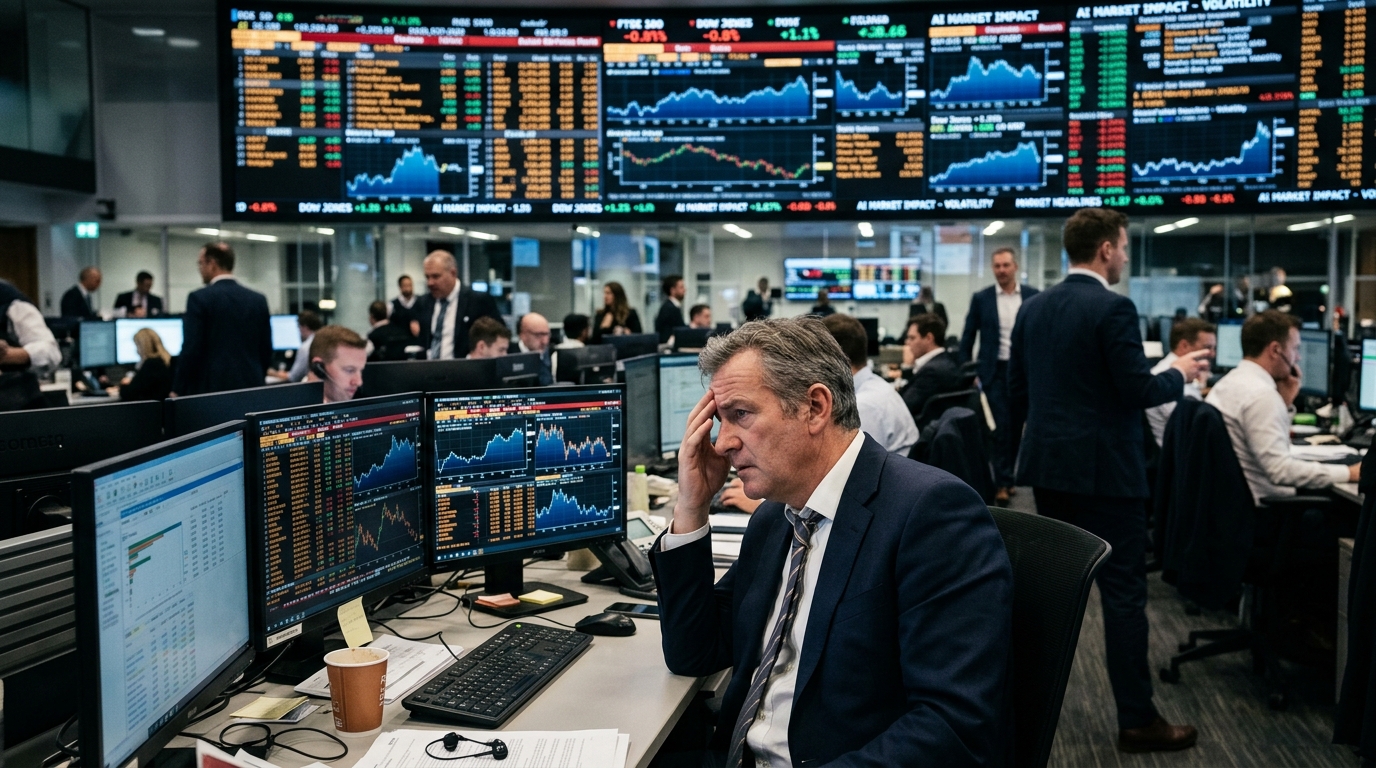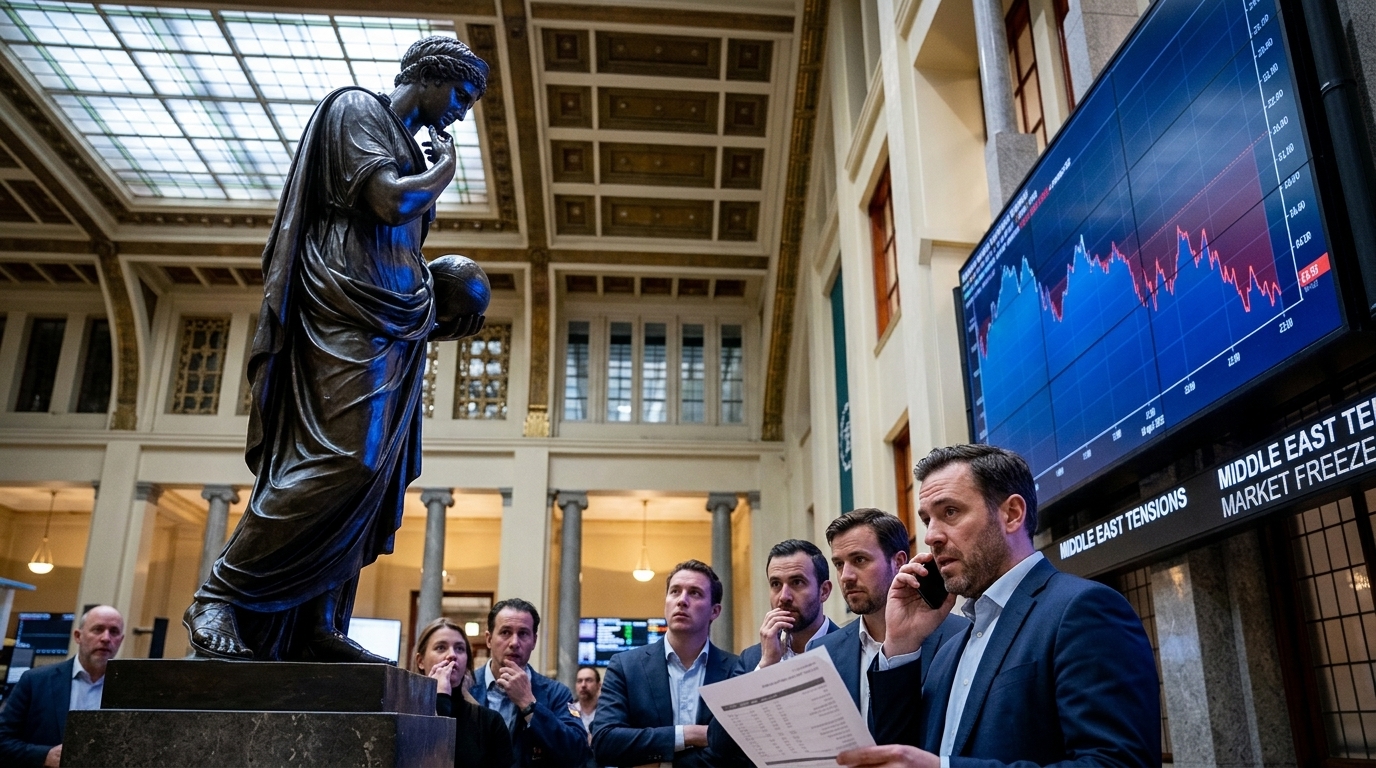
For months, European markets basked in a climate of cautious optimism. With inflation showing signs of retreat and the European Central Bank (ECB) laying the groundwork for a series of interest rate cuts, the Old Continent's 'bull case' seemed more solid than ever. However, the geopolitical reality of the Middle East has arrived to remind investors that economic stability is often a hostage to conflicts erupting far beyond its borders.
The Energy Thorn and the Fear of Oil
Europe, despite its efforts to decouple from fossil fuels, remains exceptionally vulnerable to fluctuations in energy prices. The recent escalation between Iran and Israel, coupled with ongoing conflicts in Gaza and Lebanon, has caused jitters in international Brent crude prices. For European economies, every dollar increase in the price of a barrel translates into immediate pressure on production costs and consumer purchasing power.
Analysts warn that if the conflict expands to the point of affecting navigation in the Strait of Hormuz, Europe will face a new inflationary shock. This scenario would force the ECB to reconsider its monetary policy, 'freezing' the planned rate cuts that European industry—particularly in Germany and France—so desperately needs.
The Shift in Investment Capital
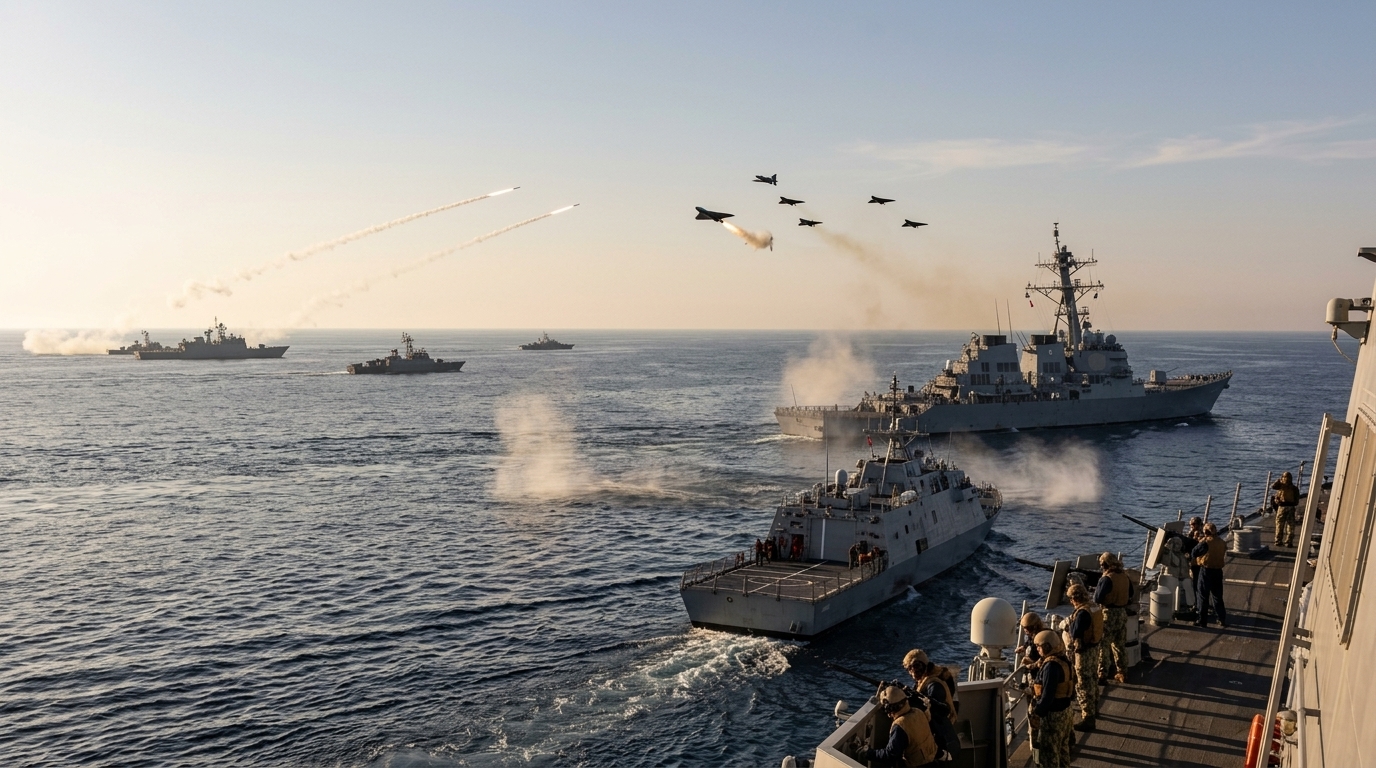
Uncertainty traditionally leads to a shift toward safety (risk-off sentiment). While the beginning of the year saw a significant inflow of capital into European tech and luxury stocks, the current crisis is forcing portfolio managers to seek refuge in defensive sectors. Companies in the defense and aerospace sectors are seeing their valuations soar as European nations accelerate their armament programs.
- Defense Industry: Companies like Rheinmetall and Dassault Aviation are becoming the new 'stars' of the indices.
- Energy Giants: TotalEnergies and Shell benefit from rising prices, providing a safety net for the benchmarks.
- Banking Sector: Remains in a wait-and-see mode, as high rates favor margins, but economic slowdown increases the risk of non-performing loans.
Supply Chains and the Ghost of Stagflation
It's not just about oil. Houthi attacks in the Red Sea have already increased freight costs, as ships are forced to circumnavigate Africa to reach European ports. This delay and the increase in transport costs act as a 'hidden tax' on the European economy. If the Middle East crisis becomes entrenched, Europe risks entering a period of stagflation: low growth (or even recession) accompanied by persistently high prices.
"Europe is in a delicate balance. The hope for a 'soft landing' of the economy now depends more on decisions in Tehran and Jerusalem than on decisions in Frankfurt," notes a senior investment bank analyst.
Conclusion: Geopolitics as the New Normal
The European 'bullish story' is not dead, but it has certainly been altered. Investors are now required to incorporate geopolitical risk as a permanent variable in their equations. Europe's ability to demonstrate resilience against external shocks will determine whether its markets will manage to regain their momentum or remain trapped in a long period of volatility. The continent's strategic autonomy, in both energy and defense, is no longer a political ambition but an economic necessity for the survival of its markets.