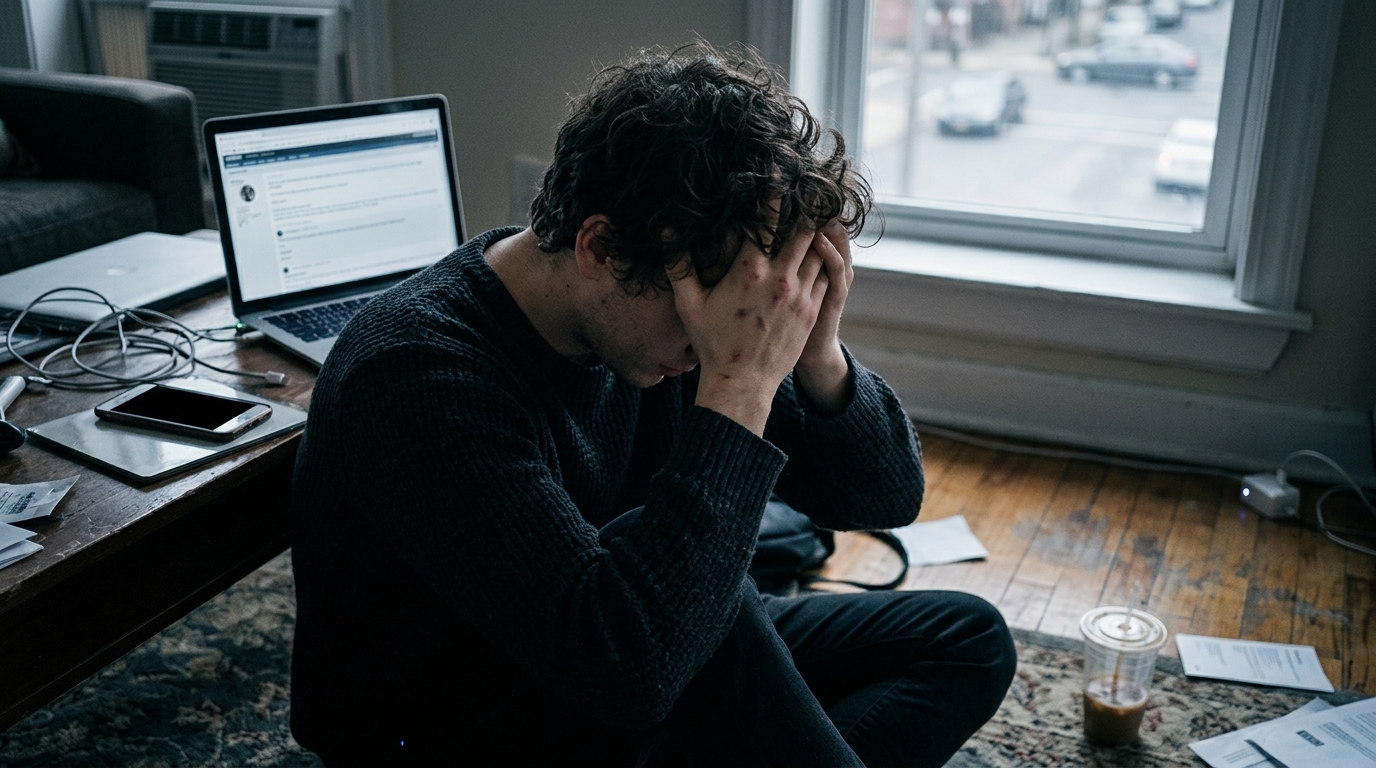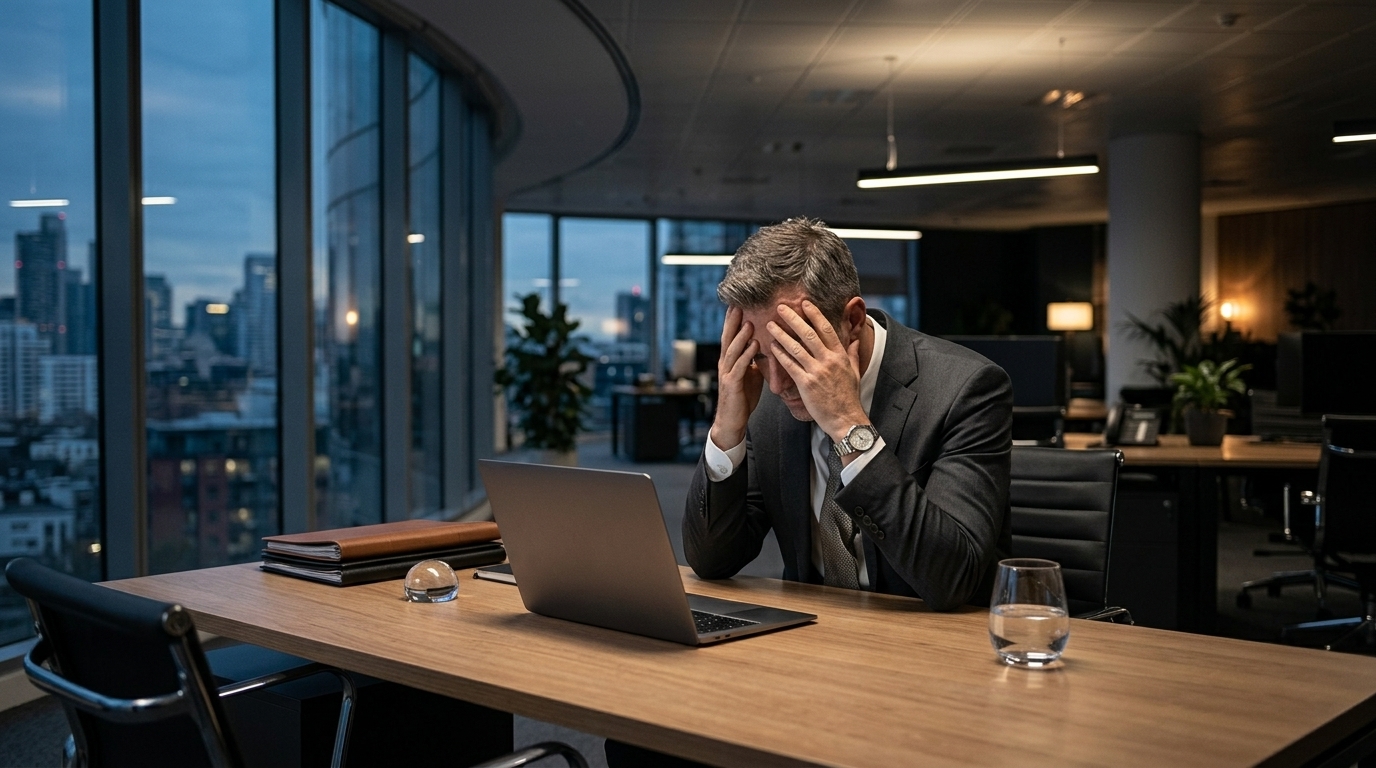
The image of the invincible leader, working tirelessly and remaining cool under pressure, is beginning to crack. At the dawn of 2026, the business community is facing a harsh reality: burnout among senior and middle management has reached epidemic proportions. While during the pandemic, attention was—rightly—focused on frontline workers, the executives tasked with managing the crisis, remote work transitions, and digital acceleration are now reaching their breaking point.
The 'Sandwich' Phenomenon: Pressure from All Sides
Modern executives are caught in a vice. On one side, shareholders and boards demand constant growth and profitability in a volatile geopolitical and economic landscape. On the other, their teams demand more empathy, flexibility, and mental health support. This 'sandwich' of responsibilities creates an exhausting burden of emotional labor that few were trained to handle.
The shift to hybrid work models, instead of providing the expected balance, has added layers of complexity. Managers are now required to maintain team cohesion through screens, resolve conflicts remotely, and track productivity without traditional physical presence. The 'always-on' culture, amplified by digital tools, has obliterated the boundaries between professional and private life, turning the home into a permanent annex of the boardroom.
The Illusion of Resilience and the Lingering Stigma
For decades, corporate culture has rewarded self-sacrifice. Admitting fatigue was often seen as a sign of weakness, especially for those in positions of power. This stigma remains potent. Many executives fear that speaking about their exhaustion will make them appear unfit for promotion or incapable of handling critical projects. The result is 'presenteeism'—a state where the executive is physically or digitally present, but their cognitive and emotional capacity is severely diminished.
- Decision-making becomes slower and more prone to errors.
- Creativity drains as the brain operates in survival mode.
- Interpersonal relationships within the company erode due to irritability and lack of patience.
"It’s not the fatigue of the work that kills us, but the feeling that we must be infallible in a world changing faster than we can process," says a CEO of a major European retail group.
From Individual Resilience to Systemic Change
The solution cannot be purely individual. Meditation apps and gym memberships, while useful, are insufficient to cure a structural problem. Organizations must rethink how they define success and performance. 21st-century work ethics require respect for biological and psychological limits.
A radical overhaul of processes is needed: reducing unnecessary meetings, establishing 'digital detox' periods, and, most importantly, fostering an environment of psychological safety where leadership can show vulnerability without fear of repercussion. The sustainability of a business is directly dependent on the sustainability of the people who lead it. If the leaders burn out, the fire will inevitably spread throughout the entire organization.