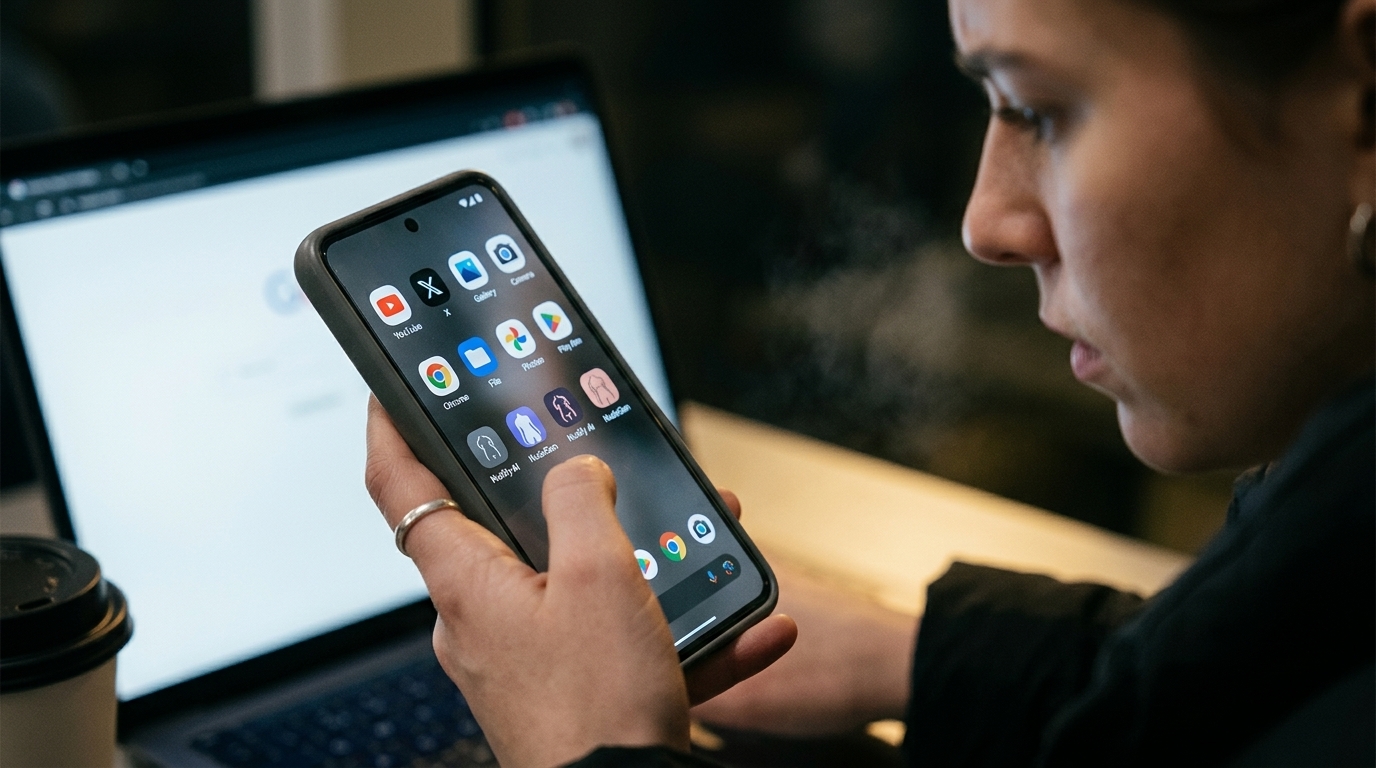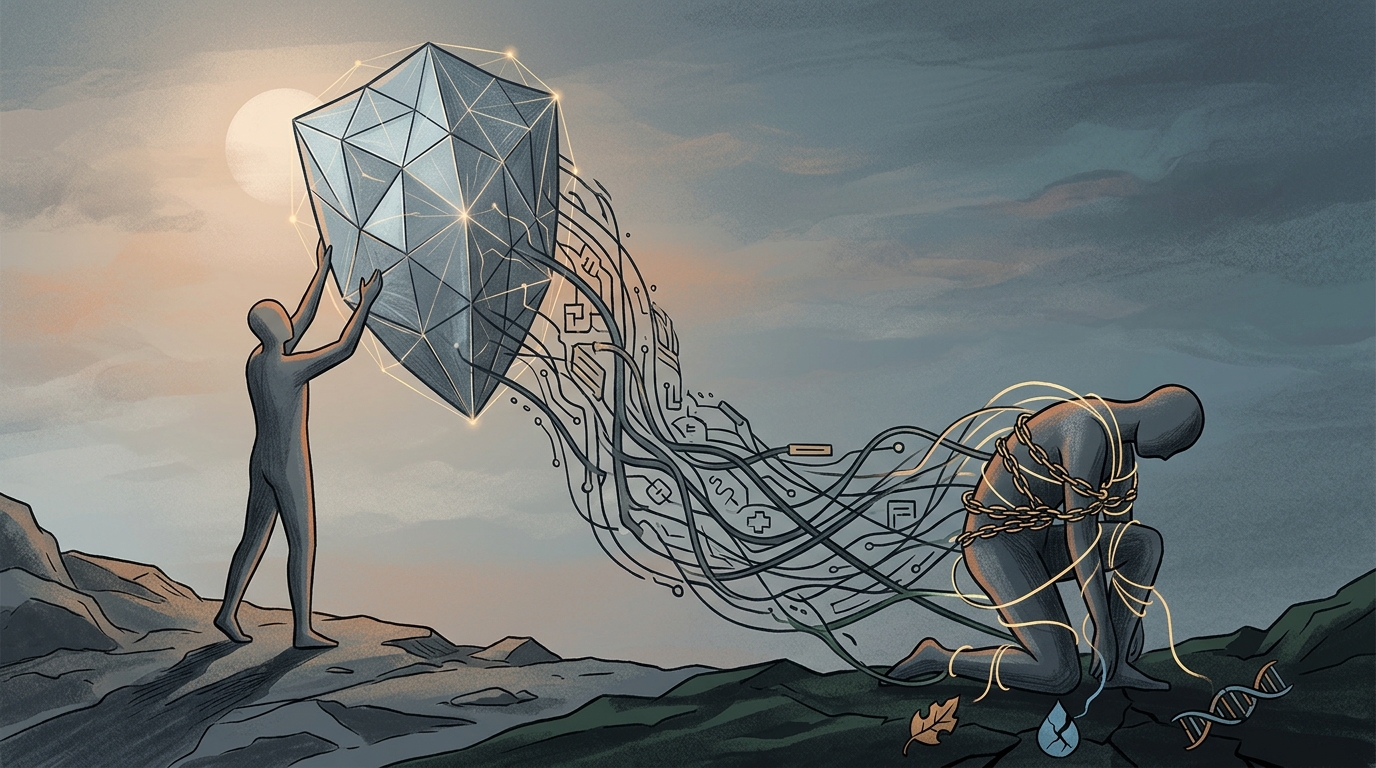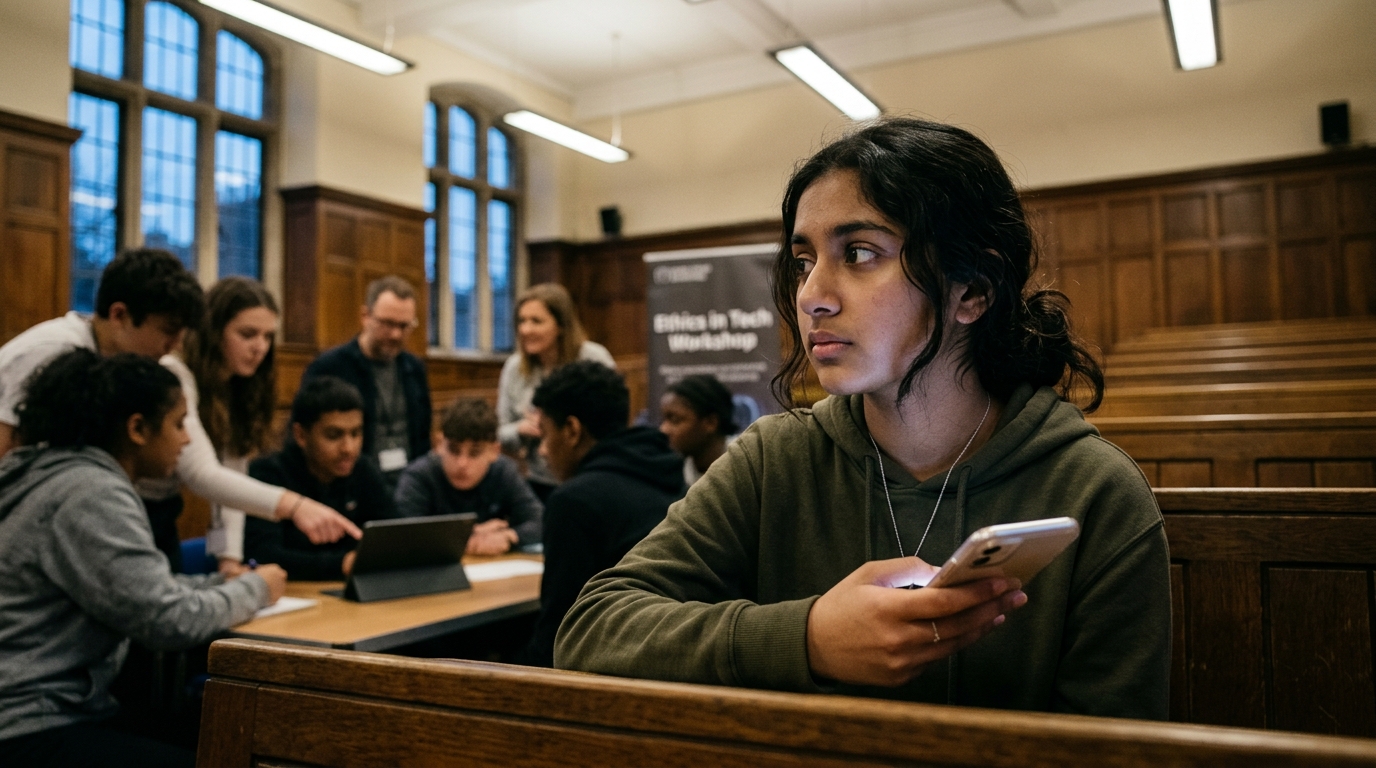
As we navigate the middle of 2026, the discourse surrounding Artificial Intelligence (AI) and its impact on the youth has evolved from speculative wonder to a matter of urgent ethical governance. The question posed by recent analyses—can AI serve as a protective shield for the younger generation?—is multifaceted, touching upon digital safety, psychological well-being, and the very nature of privacy.
AI as a Proactive Guardian
The most immediate promise of AI lies in its capacity for real-time content moderation. Unlike traditional filters that relied on static lists of banned words, modern Large Language Models (LLMs) understand nuance, irony, and cultural context. This allows platforms to intervene in cases of cyberbullying or predatory behavior with unprecedented speed.
- Predictive Safety: Identifying patterns of speech that precede online harassment.
- Mental Health Monitoring: Detecting early signs of depression or anxiety through changes in linguistic patterns, enabling timely intervention.
- Deepfake Detection: Protecting minors from the devastating impact of non-consensual synthetic imagery.
However, the efficacy of this 'shield' is only as good as the ethics of the developers. There is a fine line between protective moderation and censorship, and the risk of algorithmic bias—where certain dialects or cultural expressions are unfairly flagged—remains a significant hurdle.
Educational Empowerment and Accessibility
AI's role as a shield extends into the pedagogical realm. For students with neurodivergent profiles, such as ADHD or autism, AI-driven personalized learning acts as a buffer against a standardized education system that often leaves them behind. By providing a tailored, low-pressure environment, AI can mitigate the trauma of academic exclusion.
"AI should not be viewed as a replacement for the teacher, but as a scaffold that supports the student's unique cognitive architecture, protecting them from the 'one-size-fits-all' failure," notes a leading digital ethicist.
In the classroom, AI tutors can provide instant feedback, reducing the performance anxiety that often plagues teenagers. This protective layer allows for a safer space to make mistakes and learn from them without the fear of social judgment.
The Panopticon Trap: Protection vs. Privacy
The central dilemma of using AI as a shield is the 'surveillance paradox.' To protect a child effectively, the system must monitor their every digital move. This constant oversight creates a digital Panopticon where the youth are never truly alone or private. The long-term psychological effects of being raised under constant algorithmic observation are still being studied, but early indicators suggest a potential stifling of creative risk-taking and autonomy.
Furthermore, the data harvested in the name of 'safety' is a goldmine for surveillance capitalism. If the shield is built by corporations whose primary goal is engagement and data monetization, the conflict of interest is inherent. Can we trust a shield that is also a data-harvesting net?
Toward a Human-Centric Regulatory Framework
For AI to function as a genuine shield, it must be governed by frameworks like the EU AI Act, which mandates transparency and accountability for high-risk AI systems. Protection cannot be outsourced entirely to code; it requires the 'human-in-the-loop' principle to ensure that algorithmic decisions are fair and reversible.
Moreover, the ultimate shield is not technological, but educational. Digital literacy—teaching young people how algorithms work, how to spot manipulation, and how to protect their own data—is the only sustainable way to ensure their safety. AI can assist in this process, but the goal should be to empower the individual, not just to build a higher wall around them.
In conclusion, AI offers a powerful set of tools to mitigate the risks of the digital age. Yet, it must be wielded with wisdom. A shield that is too heavy can crush the person it is meant to protect. The challenge for 2026 and beyond is to calibrate this technology so that it fosters growth while ensuring safety, maintaining the delicate balance between a protected childhood and a free one.