By mid-2026, the global geopolitical landscape bears no resemblance to the equilibrium of previous decades. The convergence of three seemingly disparate factors—the ongoing conflict in Ukraine, Iran's revisionist strategy, and the rapid weaponization of Artificial Intelligence (AI)—has forged a new paradigm of power. What was once considered a theoretical scenario is now the daily reality of diplomatic offices from Washington to Beijing: war is no longer fought solely on the ground, but in algorithms and semiconductor networks.
Ukraine: The Living Laboratory of Algorithmic Warfare
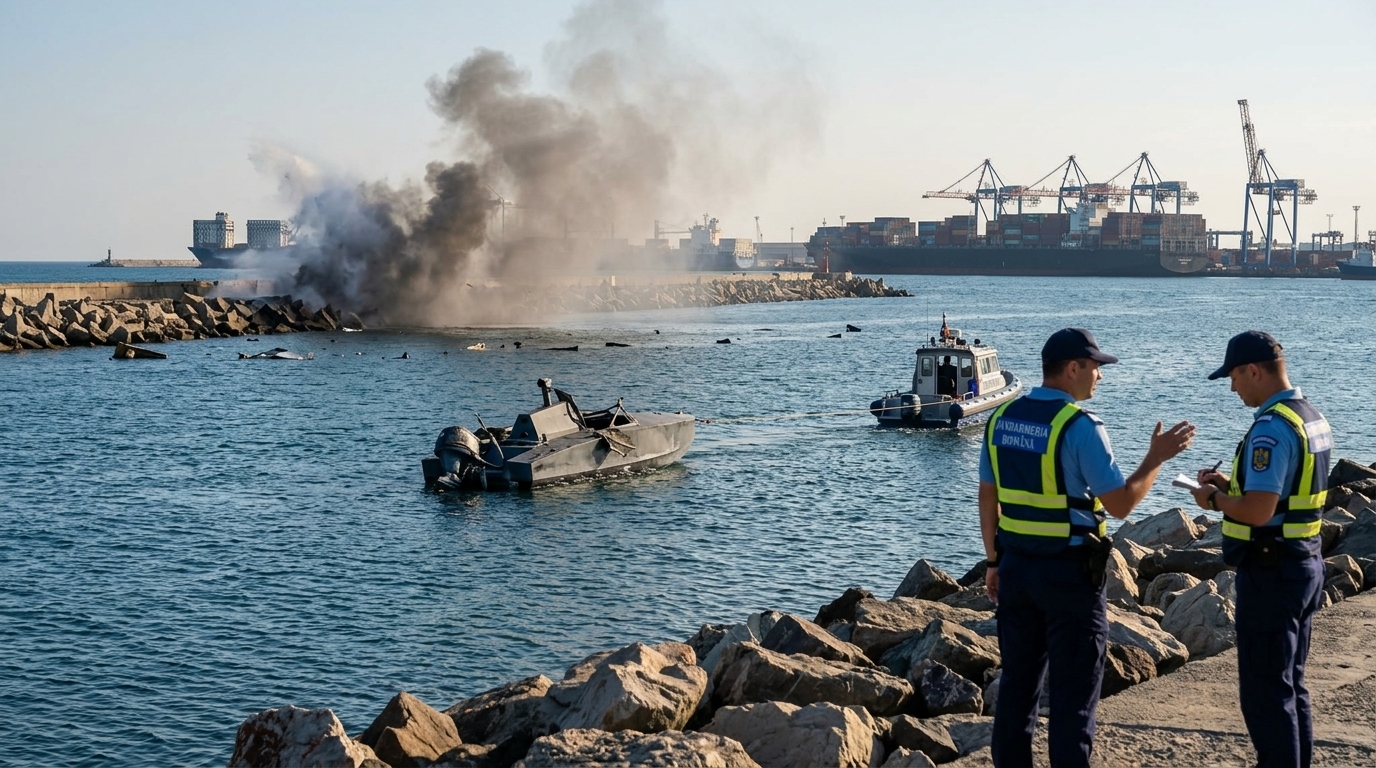
Ukraine has transformed into the first true testing ground for what analysts call "Machine Warfare." After years of conflict, the front lines have stabilized not due to a lack of ammunition, but because of the absolute transparency offered by AI. Autonomous drones, equipped with target recognition systems that require no human intervention, patrol the skies 24/7. The use of AI to analyze satellite data in real-time allows Ukrainian forces to predict Russian troop movements before they even begin.
However, this technological edge is no longer a Western monopoly. Russia, having adapted, now employs its own "swarm intelligence" systems, rendering traditional anti-aircraft defenses obsolete. The conflict in Ukraine has proven that AI is not merely a supporting tool, but the central pillar of national sovereignty in the 21st century. Whoever controls the code, controls the territory.
The Iranian Factor and the "Democratization" of Lethality
Simultaneously, Iran has emerged as an unexpected key player on the global agenda. Tehran, despite sanctions, has managed to create an ecosystem for producing cheap yet highly effective drones, which are now enhanced with basic AI functions. Iran's cooperation with Russia in Ukraine was just the beginning. Today, Iranian technology is exported to non-state actors across the Middle East, creating an "asymmetric nightmare" for traditional powers.
Iran's strategy relies on exploiting low-cost AI to neutralize expensive defense systems. This reshapes the global agenda as it forces NATO and Gulf states to invest billions in anti-AI technologies. Iran no longer seeks only nuclear deterrence; it seeks "digital deterrence," using AI to disrupt global supply chains and energy infrastructure through neural-network-guided cyberattacks.
Artificial Intelligence as the New Nuclear Power
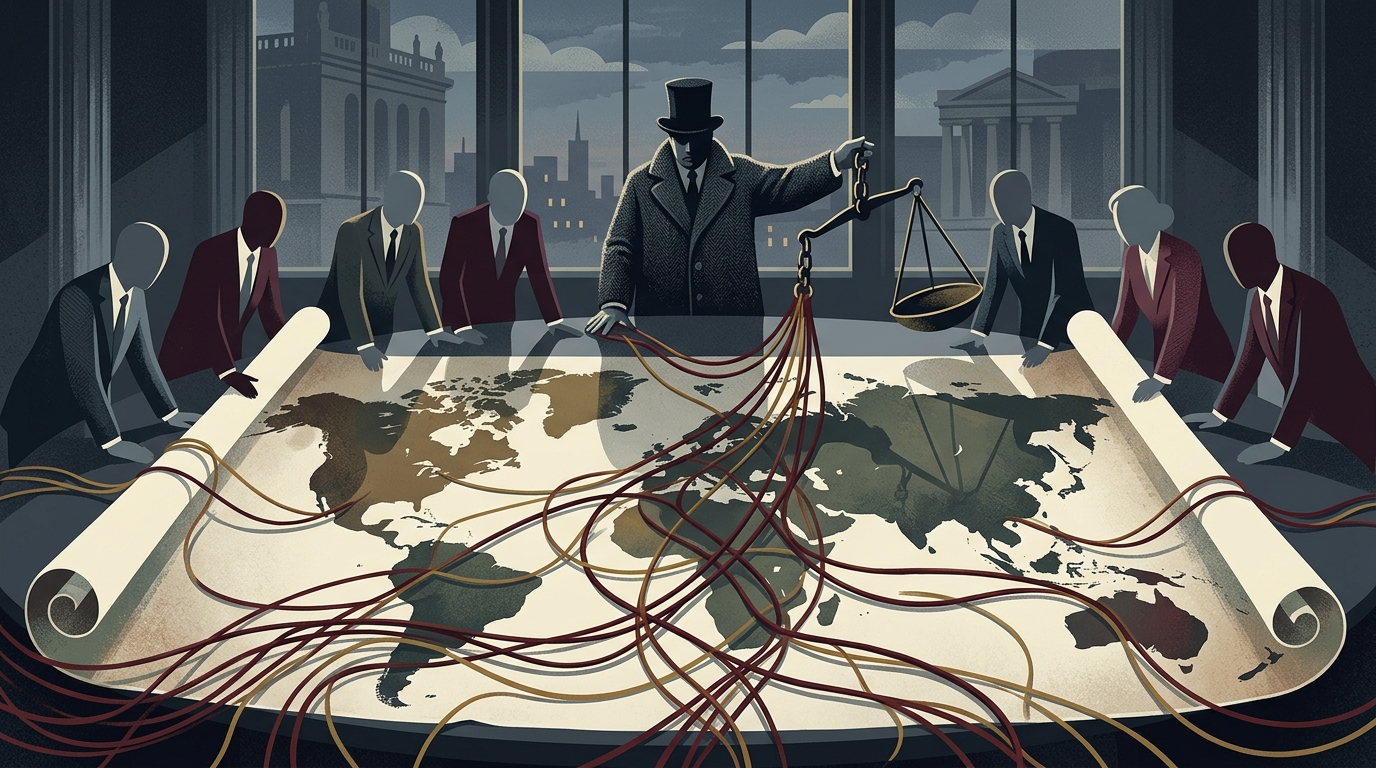
The international community faces an "Oppenheimer moment." AI is reshaping alliances, as states are no longer divided into rich and poor, but into "AI-ready" and "AI-vulnerable." The 2026 global agenda is dominated by the race to control rare earth elements and the chips that power these systems. China and the US are in a cold war over data, while Europe desperately tries to establish regulatory frameworks in a world moving faster than Brussels' bureaucracy.
The implications are profound:
- Loss of Human Control: The speed of decision-making on the battlefield has surpassed human cognition, risking unintended escalation.
- Hybrid Threats: The use of Deepfakes and algorithmic disinformation by Iran and other actors destabilizes Western democracies from within.
- New Economic Order: The defense industry is becoming a software industry, with Big Tech companies now having a seat at national security councils.
Conclusion: Diplomacy in the Age of Algorithms
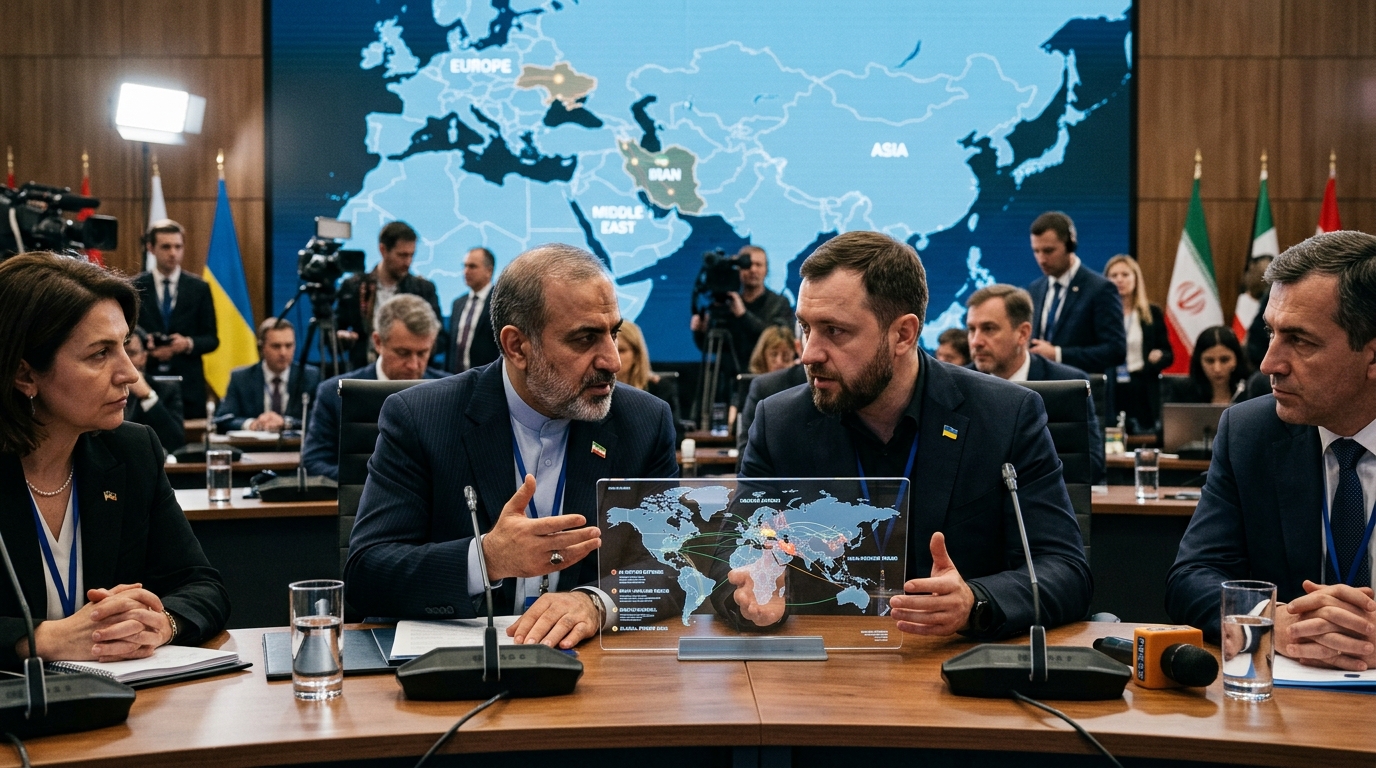
The convergence of the Ukraine crisis, the rise of Iran, and the AI explosion requires a new diplomatic language. Traditional arms control treaties are inadequate, as the "arms" are now code that can be copied in seconds. The global agenda must shift from crisis management to the management of technological ethics and algorithmic security. Without a global framework for the use of AI in conflict, 2026 will go down in history as the year humanity handed the keys to peace over to the machines.