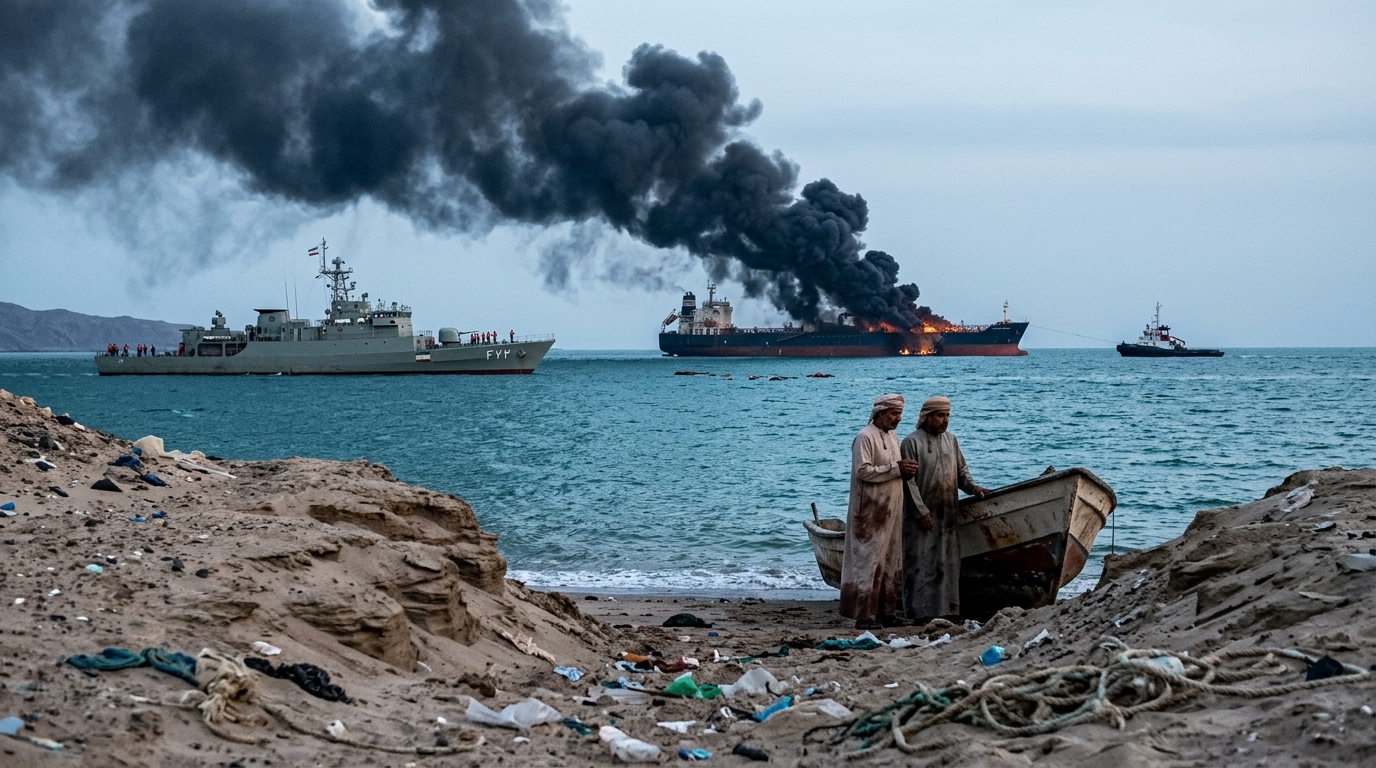
The Middle East is once again on the precipice of a dangerous escalation as Iran has formally announced its intention to respond forcefully to recent US attacks on its merchant navy. Tehran's warning, which directly targets US military installations in the region, is not merely a rhetorical flourish but a clear indication that the "shadow war" at sea is entering a new, more overt phase. US airstrikes on two Iranian tankers on Saturday served as the catalyst for this tension, triggering a furious reaction from the Iranian leadership.
The Timeline of Conflict and US Strategy
The United States has intensified its operations in the region, citing the need to protect freedom of navigation and to curb the financing of terrorist organizations through illicit oil trade. According to sources in Washington, the strikes on the tankers were surgical and aimed at disrupting the supply chain supporting regional militias. However, for Iran, these actions constitute a flagrant violation of international law and acts of piracy that undermine its sovereignty.
US strategy appears focused on exercising "maximum pressure" through military means, as diplomatic channels remain largely inactive. The choice to target ships, rather than land-based facilities within Iran, is an attempt to contain the conflict, which nevertheless seems to be failing as Tehran refuses to accept the new "rules of engagement."
Tehran's Threat: Targets and Capabilities
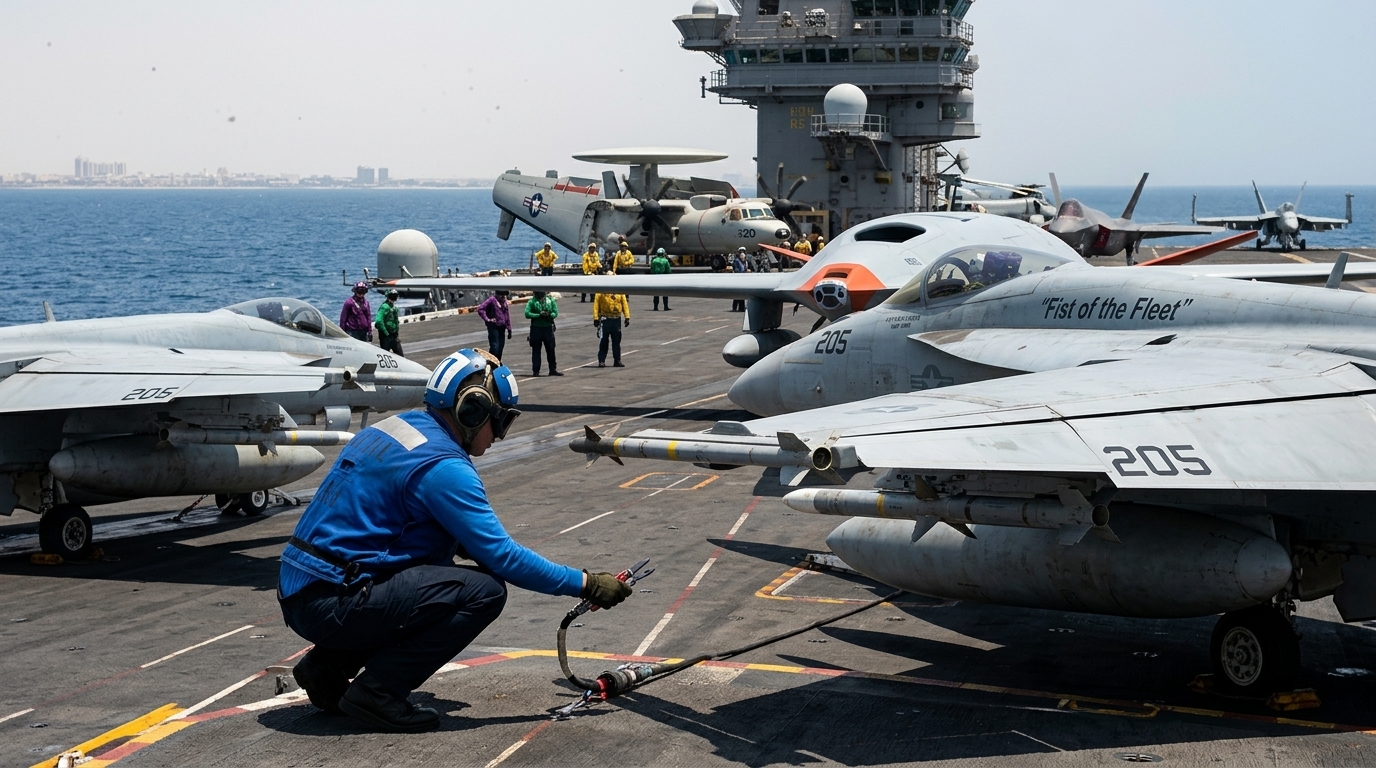
Iran's statement that it will target US installations in the Middle East should not be underestimated. With a network of bases in Iraq, Syria, and the Gulf states, the US is exposed to a wide range of threats, from drone and missile attacks to operations by proxy forces. The Islamic Revolutionary Guard Corps (IRGC) has proven in the past that it possesses the technological capability to strike targets with precision, as seen in the 2020 attack on the Ain al-Asad base.
- Long-Range Missiles: Iran's arsenal includes ballistic missiles capable of reaching any point in the region.
- Kamikaze Drones: The use of unmanned aerial vehicles is a cost-effective and efficient method of asymmetric warfare.
- Naval Blockade: The threat of closing the Strait of Hormuz remains Tehran's strongest card on the global economic chessboard.
Tehran's rhetoric also aims to send a message to US allies in the region. By warning of generalized retaliation, Iran is pressuring Arab capitals not to allow their territory to be used for attacks against it, thereby attempting to fracture the US alliance system.
Geopolitical Implications and the Role of Great Powers
This escalation does not occur in a vacuum. Russia and China are closely monitoring developments, with Beijing particularly concerned about the stability of energy flows from the Persian Gulf. A prolonged conflict could lead to a sharp increase in oil prices, affecting a global economy still trying to recover from successive crises. Moscow, for its part, finds in this tension an opportunity to distract US attention from the Ukrainian front, while simultaneously strengthening its ties with Tehran.
"Security at sea is indivisible. Either everyone will be safe, or no one will," said a senior Iranian official, highlighting the "eye for an eye" logic the country seems to be adopting.
The Future of Navigation and the Need for Diplomacy
The transformation of merchant ships into military targets sets a dangerous precedent for international trade. Marine insurance companies are already raising risk premiums, while many companies are considering rerouting, which would increase the cost of transporting goods globally. The international community is called upon to intervene before the situation spirals out of control.
In conclusion, Iran's threat of retaliation is the result of a long period of accumulated tension and an absence of meaningful dialogue. While the US seeks to impose its own order, Tehran seems willing to risk a regional conflict to maintain its credibility and economic survival. The next move on the Middle Eastern chessboard will determine whether we lead to a new period of stability or an outbreak with unpredictable consequences.