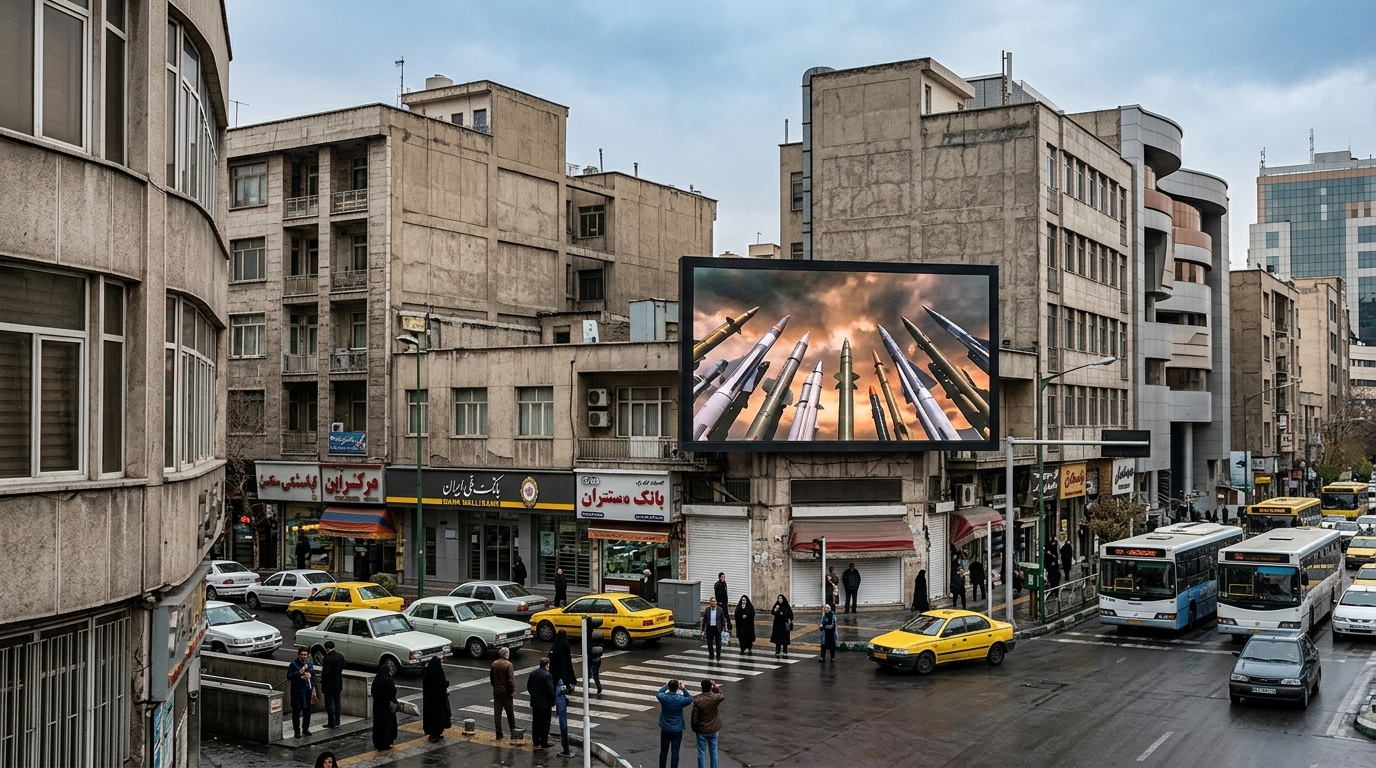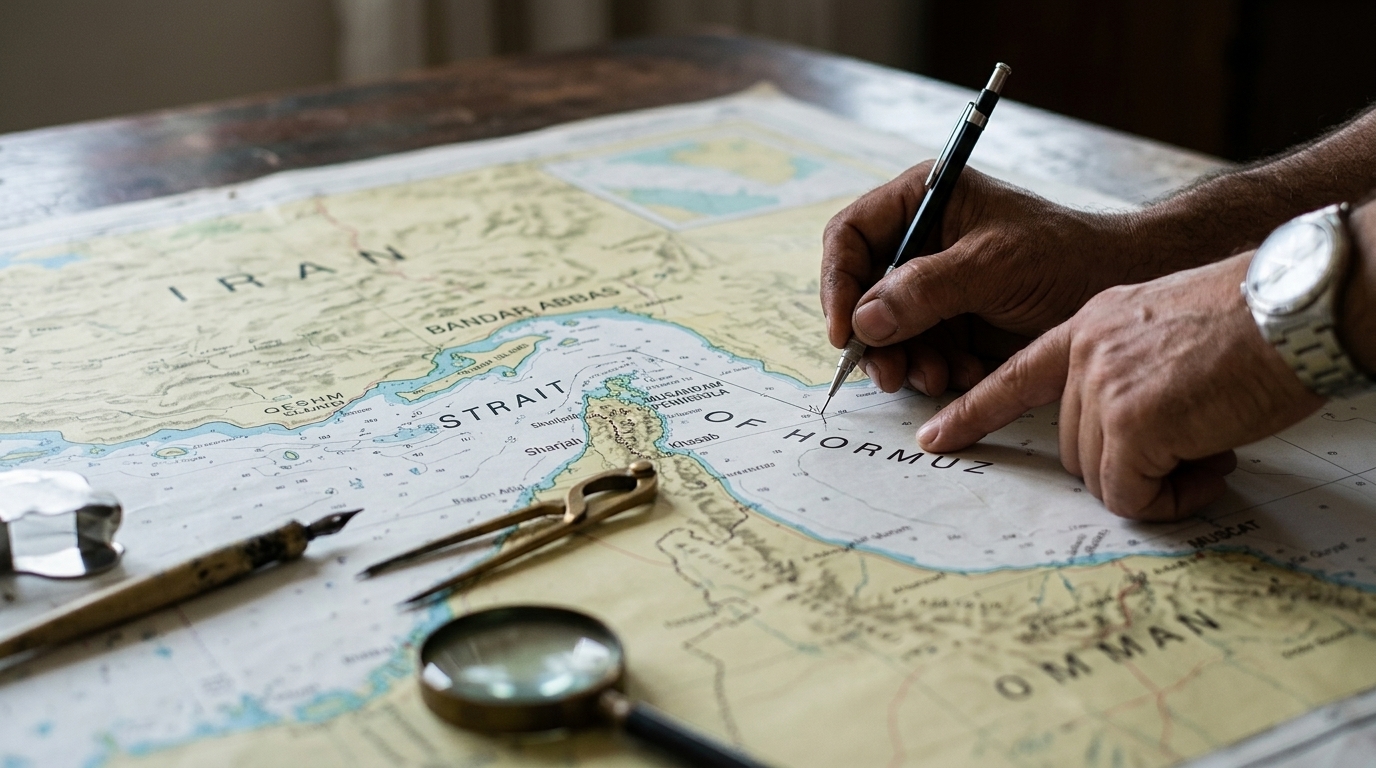
The Strait of Hormuz, the narrow waterway connecting the Persian Gulf with the Gulf of Oman, has traditionally been the most critical "artery" of the global energy system. Approximately 20% of global oil consumption passes through this point daily, making it the ultimate geopolitical barometer. However, a new initiative by Iran and Oman regarding the imposition of permanent navigation tolls threatens to radically change the rules of the game, turning the right of free passage into an expensive privilege under Tehran's supervision.
The Strategy of 'Green' and Safe Passage
According to information leaking from diplomatic circles in Tehran, the proposal is not presented as raw geopolitical blackmail, but as a "compensation mechanism" for environmental protection and the enhancement of maritime safety. Iran argues that the massive tanker traffic causes severe pollution in the region's waters, while search and rescue operations, as well as the surveillance of the straits, disproportionately burden the budgets of coastal states.
Oman, which traditionally acts as the "Switzerland" of the Middle East by maintaining open channels of communication with both the West and Iran, appears to be participating in the discussions with a more moderate approach. For Muscat, the imposition of tolls could represent a significant source of revenue and a means to upgrade its port infrastructure. However, Oman's involvement lends the project a veneer of legitimacy that Iran, on its own, could not secure.
Legal Hurdles and the UNCLOS Convention
The primary challenge for implementing this plan is International Maritime Law. The 1982 United Nations Convention on the Law of the Sea (UNCLOS) provides for the right of "transit passage" for international straits. This means that ships have the right to free and unimpeded passage, provided it is continuous and expeditious. Iran, although a signatory to the convention, has never ratified it, arguing that it is bound only by customary law, which, in its view, allows for more restrictions within its territorial waters.
If Tehran proceeds with the imposition of fees, it will find itself in direct conflict with the United States and the European Union, who view the freedom of the seas as a fundamental pillar of global trade. Greek shipping, which controls a vast percentage of the global tanker fleet, is on high alert. Any additional charge or delay in the Strait of Hormuz will be directly passed on to transport costs and, ultimately, the price of oil in international markets.
Economic Implications and the 'Hormuz Premium'
Energy markets are extremely sensitive to anything concerning Hormuz. Already, insurance companies have increased war risk premiums for ships crossing the area due to recent tensions. The institutionalization of permanent tolls would create a permanent "Hormuz Premium" in the price of crude oil. Analysts estimate that even a symbolic fee could add billions of dollars to the annual cost of global energy trade.
- Increased transportation costs for East Asian countries (China, Japan, South Korea) that depend on Gulf oil.
- Pressure on the profit margins of shipping companies.
- Potential creation of a precedent that other states could mimic in strategic straits (e.g., Bab el-Mandeb).
At a time when the global economy is trying to tame inflation, a new "tax" on energy would be the last thing central banks want. However, for Iran, this move is purely political: it is a way to demonstrate that it can exercise sovereignty without resorting to military force, using geography as an economic weapon.
The Future of Navigation in the Region
The discussion about tolls in Hormuz is not merely an economic issue; it is a test for the global order. If the international community accepts, even tacitly, charging for passage through international straits, then the regime of "free seas" that dominated after World War II will begin to crumble. Tehran is betting on Western fatigue and Oman's need for revenue to impose a new reality. The question remains: how will the major powers react? The presence of the US Fifth Fleet in the region is a constant reminder that freedom of navigation remains a "red line," but economic pressure is often harder to counter than torpedoes.