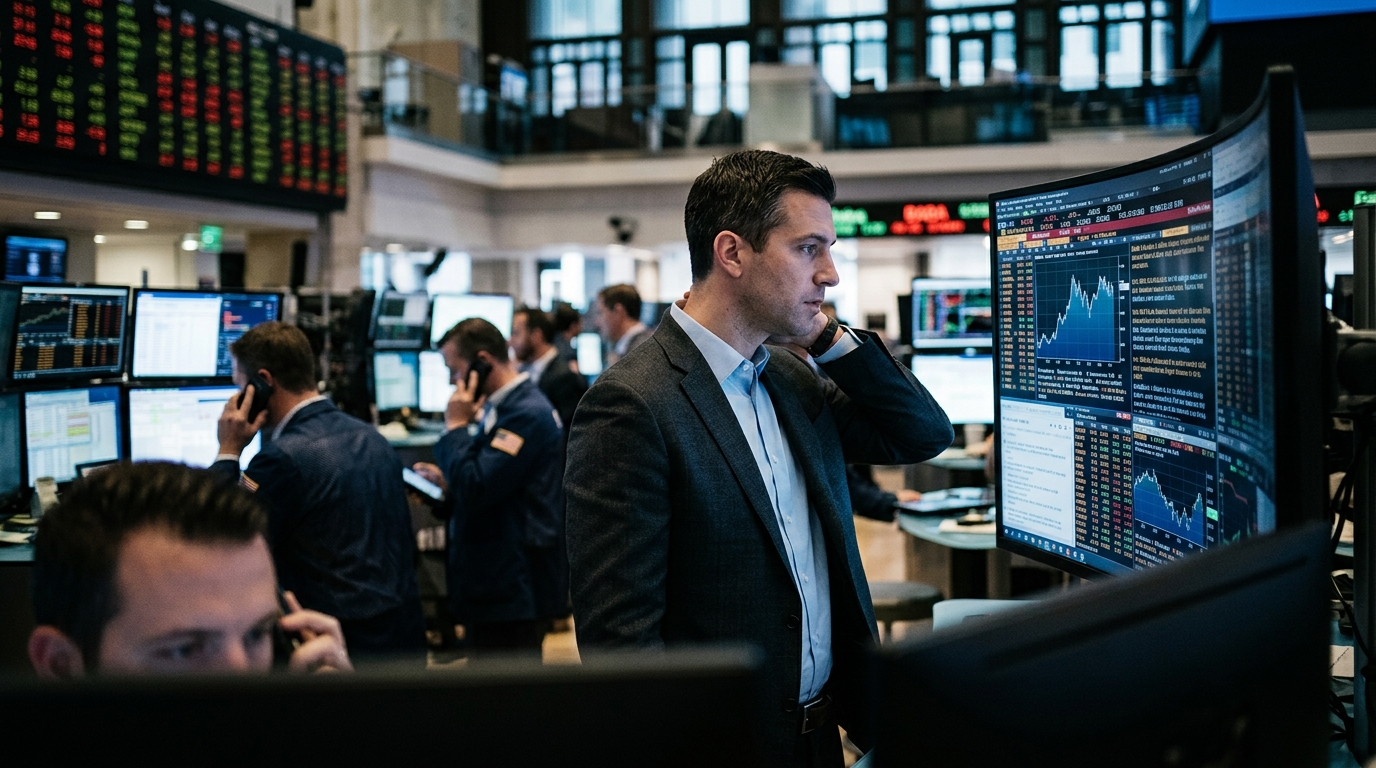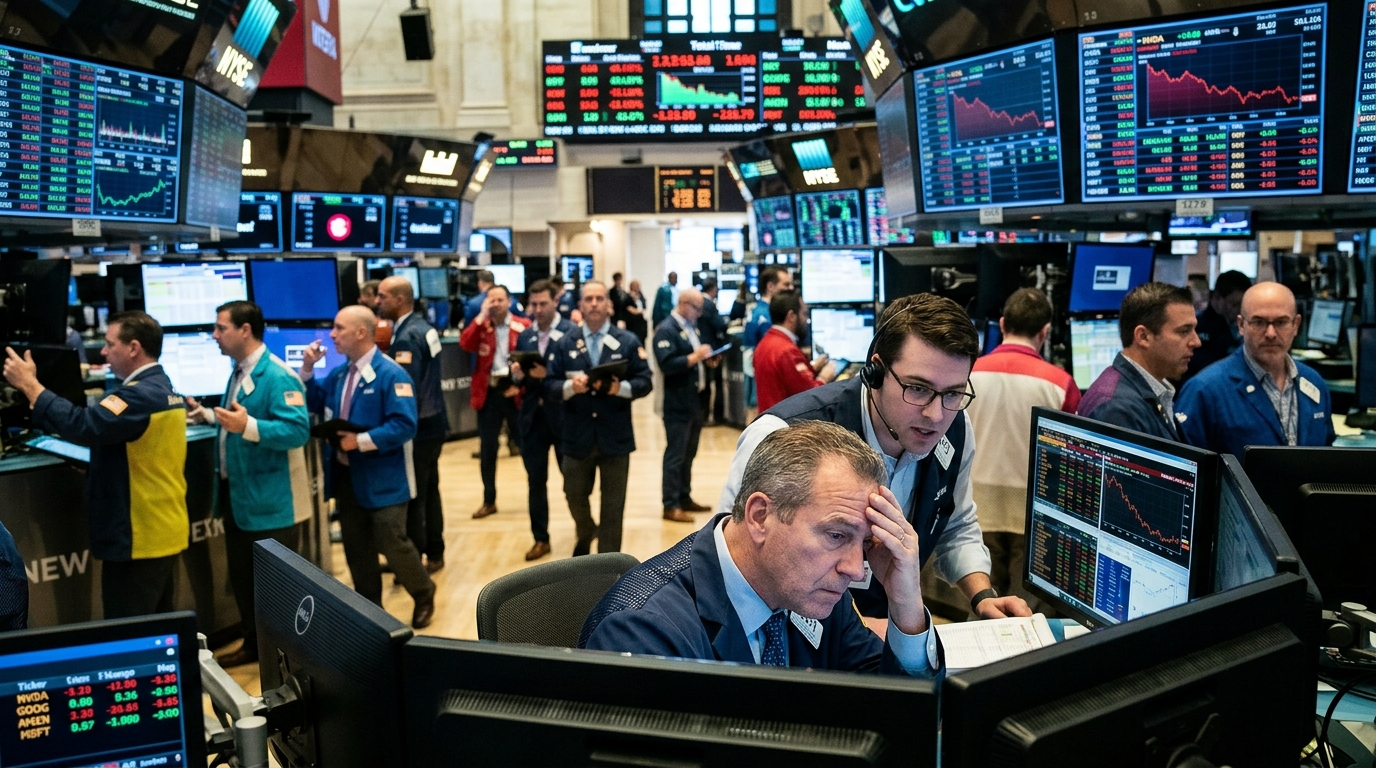
In the intricate world of international financial markets, few names command as much respect and awe as that of Stéphane Boujnah. The CEO of Euronext is not merely a technocrat; he is the visionary who managed to transform a fragmented European market into a formidable force against the giants of Wall Street and the City of London. The summer of 2025 marked a turning point for his relationship with the Greek market, but the story of the "8x8"—eight consecutive successful integrations of national exchanges—is the foundation upon which Athens' future is being built.
The "Federal" Model and the Strategy of Consolidation
Boujnah’s strategy is not based on erasing national identities but on leveraging them. Under his leadership, Euronext has adopted a federal model where each stock exchange retains its local identity and ties to the domestic economy, while simultaneously benefiting from a shared technological platform, Optiq, and a single order book. This approach allowed the French banker to convince regulators and governments from Dublin to Milan and from Oslo to Lisbon that joining the group is not a loss of sovereignty, but an enhancement of liquidity.
The 8x8 streak refers to the eight major moves that solidified Euronext's dominance: Paris, Amsterdam, Brussels, Lisbon, Dublin, Oslo, Milan, and the recent integration of clearing services (Euronext Clearing). Each of these moves was met with initial skepticism, but the results have vindicated Boujnah. The market capitalization of companies listed on Euronext markets now exceeds €6.5 trillion, making it the largest stock exchange group in Europe.
Athens in the Crosshairs: Why Now?
The interest in the Athens Stock Exchange (ATHEX) is no coincidence. The Greek economy, having regained investment grade status and displaying growth rates above the European average, is now an attractive destination. For Boujnah, Athens is the "last link" in the South European chain. Integrating ATHEX into the Euronext ecosystem would mean that Greek listed companies would gain direct access to a vast pool of international investors who currently hesitate to enter a small, peripheral market due to costs and technical hurdles.
- Technological Upgrade: Transitioning to the Optiq platform will reduce transaction costs and latency.
- Increased Liquidity: Connection to major European portfolios will boost daily trading volumes.
- Global Visibility: Greek companies will become visible worldwide through Euronext indices.
Boujnah has repeatedly emphasized that Athens has the potential to become the financial hub of Southeastern Europe. However, his plans are not limited to a simple acquisition. He proposes a deep strategic partnership that will allow ATHEX to maintain its role as a growth driver for Greek Small and Medium Enterprises (SMEs), while offering them the tools of a global superpower.
Challenges and the Geopolitical Chessboard
Despite the optimism, the road to Athens is not without obstacles. There are political concerns regarding the control of national infrastructure, as well as competition from other international groups. Furthermore, the European Capital Markets Union (CMU) remains an unfinished project, with Brussels' bureaucracy often slowing down consolidation processes. Boujnah, however, is a master of balance. His ability to navigate between shareholder demands and national government sensitivities is what makes him the "sovereign of the stock exchanges."
"Europe does not need fewer exchanges; it needs more connected exchanges," he often says, highlighting that strength lies in the union of forces.
In conclusion, the case of Stéphane Boujnah and Euronext is a lesson in strategic survival in the age of globalization. For Athens, aligning with such a player could be the "ticket" for a definitive return to the elite of developed markets. The question is no longer whether Athens will turn a new page, but how quickly it can keep up with the pace set by the French architect.