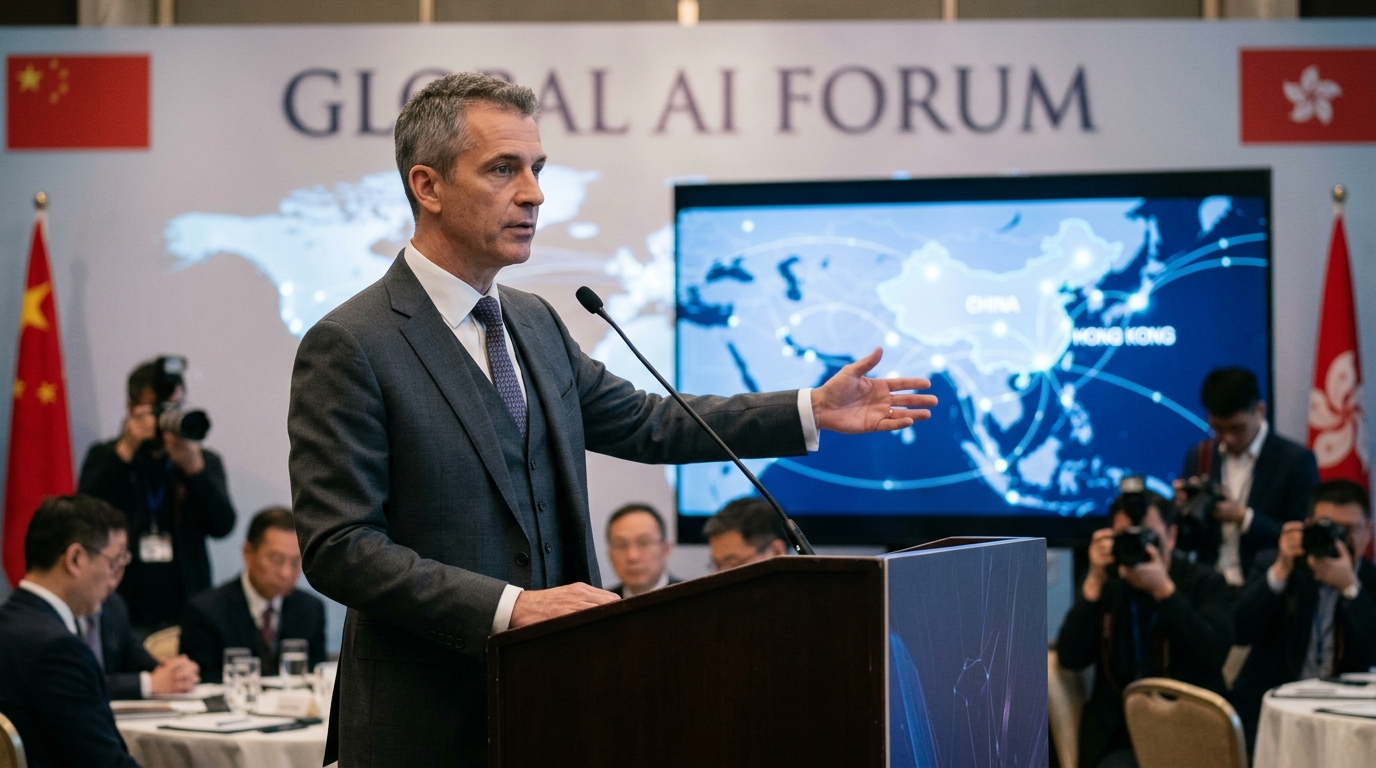
In an era where the global geopolitical chessboard is increasingly defined by computational power and algorithms, the Hong Kong Special Administrative Region (HKSAR) is emerging as the most critical link in China's AI ambitions. As the United States intensifies restrictions on high-tech semiconductor exports, Hong Kong is leveraging its unique 'One Country, Two Systems' status to function as a gateway for capital, talent, and expertise.
Hong Kong's Role in the Global AI Supply Chain
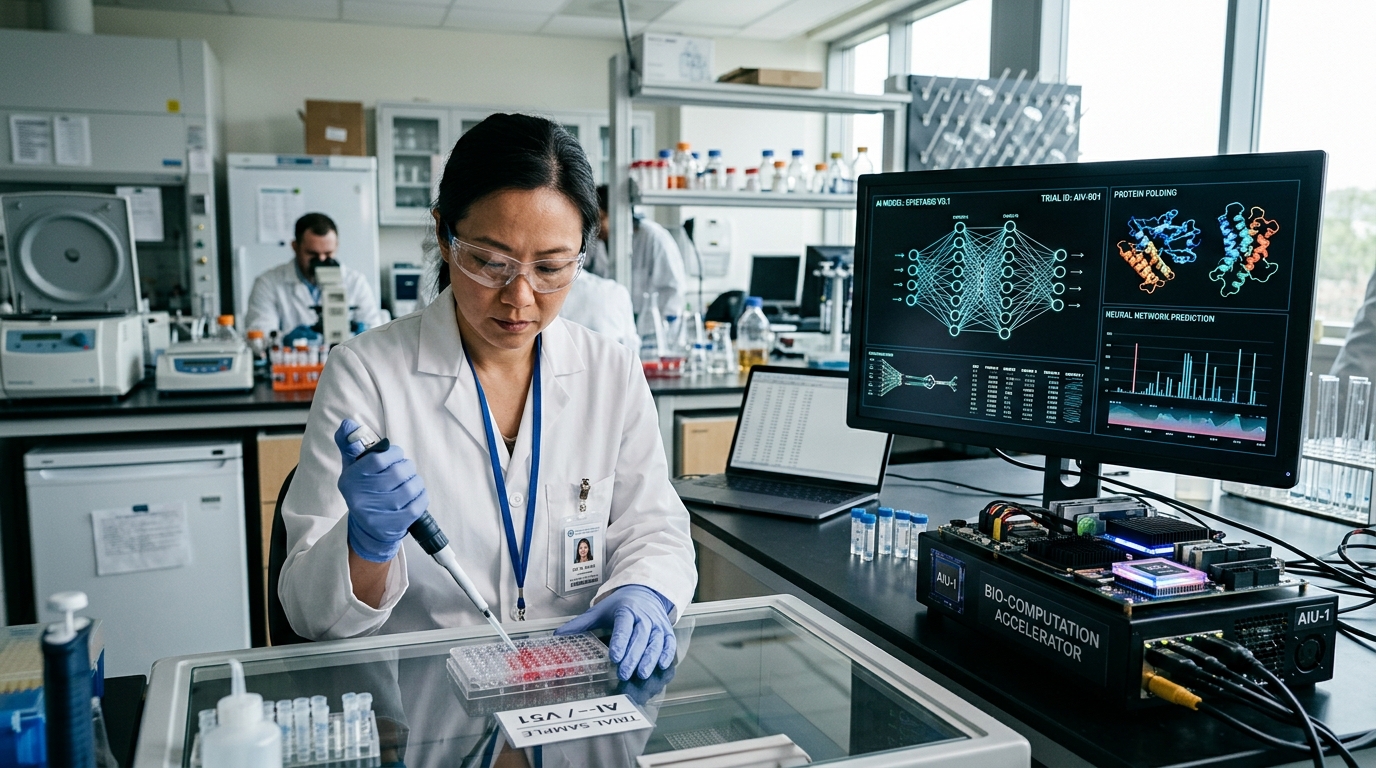
The strategic importance of Hong Kong is no longer limited to financial transactions. The city is transforming into a 'laboratory' where Chinese tech giants can interact with the international market without directly colliding with the stringent restrictions imposed on mainland China. The HKSAR government has invested billions of dollars into infrastructure, such as Cyberport and the Science Park, to attract AI startups seeking access to both China's massive data ecosystem and international capital markets.
Hong Kong offers a legal framework based on Common Law, providing a level of security for foreign investors that remains elusive in the mainland. This institutional distinction allows China to use the city as a Trojan horse for acquiring specialized software and attracting scientists from Europe and Asia who might hesitate to settle directly in Beijing or Shanghai.
Financing Innovation and the HKEX
The financial dimension of this transition is striking. The Hong Kong Stock Exchange (HKEX) has revised its listing rules to make it easier for pre-revenue technology companies to raise capital. This is vital for the AI sector, where research and development (R&D) costs are astronomical. With Beijing's backing, Hong Kong is becoming the destination for 'smart capital' from the Middle East and Southeast Asia, creating an alternative funding source to Silicon Valley.
- Expansion of government grants for InnoHK research clusters.
- Establishment of supercomputing centers to support Large Language Models (LLMs).
- Collaboration with world-class universities to train the next generation of engineers.
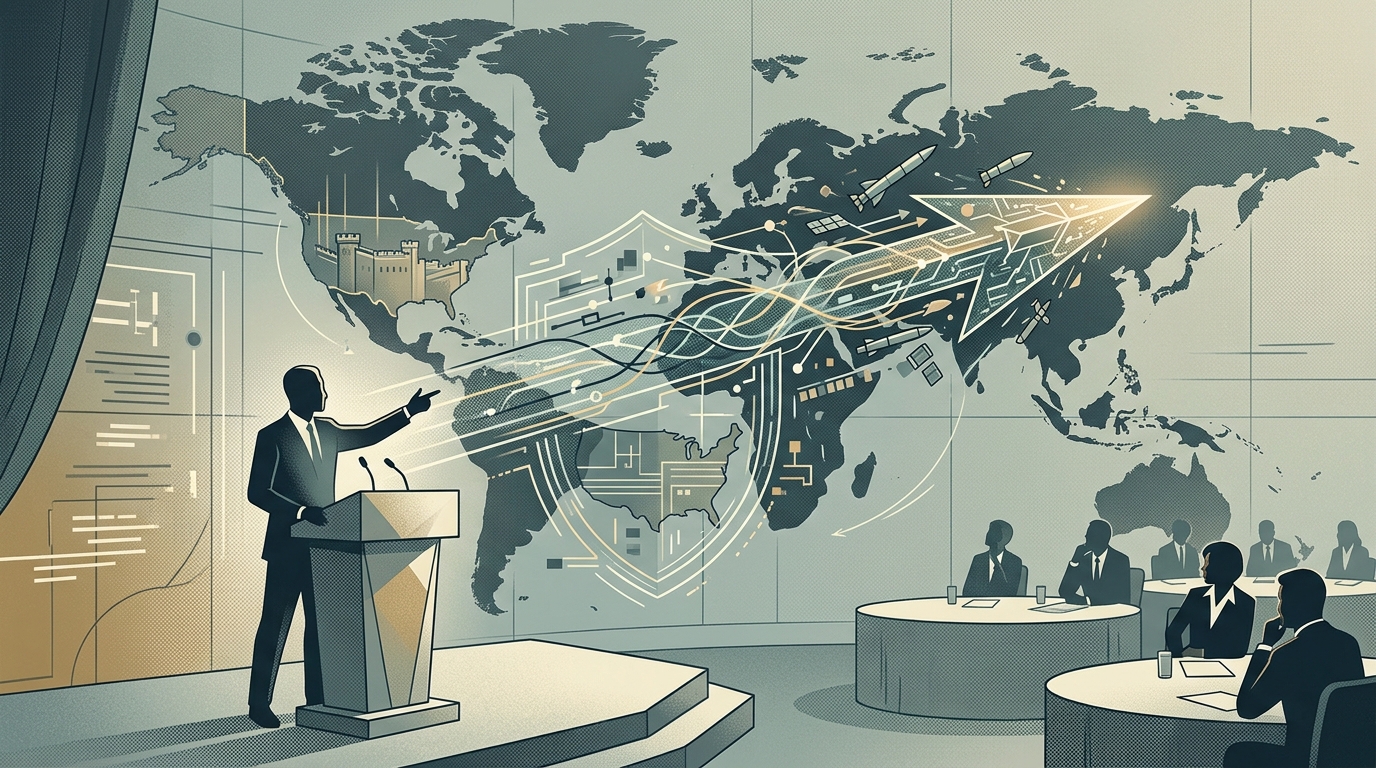
"Hong Kong is no longer just a middleman; it is the accelerator China needs to bypass the technological walls built by the West," says a leading tech market analyst.
Geopolitical Challenges and the Road Ahead
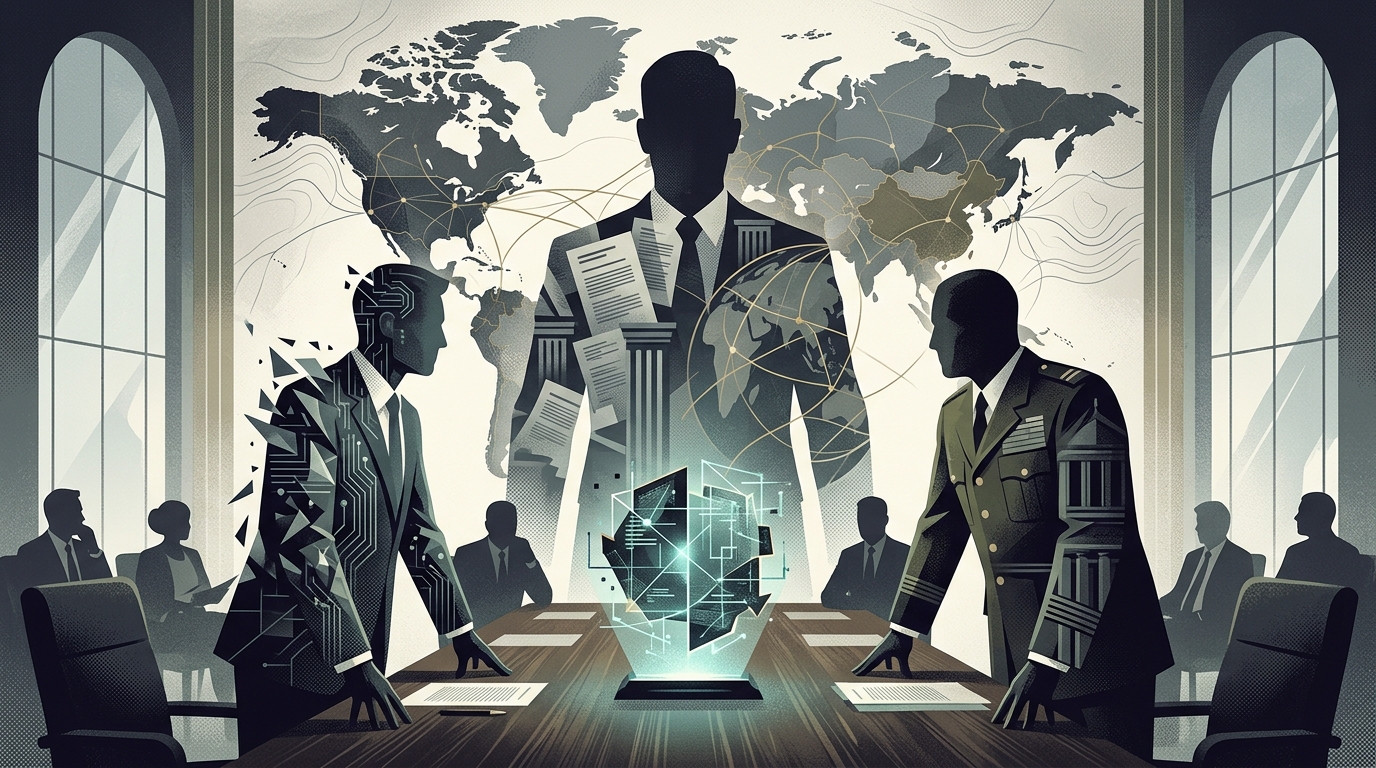
However, the path is not without obstacles. Increasing pressure from Washington and the possibility of secondary sanctions on Hong Kong entities pose a constant threat. The city must walk a tightrope: remaining 'international' enough to maintain its privileges while being 'Chinese' enough to serve Beijing's national strategies. The success of this venture will determine whether China can lead the fourth industrial revolution despite efforts to isolate it.
In conclusion, Hong Kong's evolution into an AI capital is a deliberate geopolitical maneuver. By integrating into the Greater Bay Area (GBA), the city gains access to the manufacturing prowess of Shenzhen, creating an unbeatable duo of innovation and production that aims to redefine the global technological hierarchy by the end of the decade.